It can certainly be startling to see your dog suddenly tremble or shake after they’ve finished their business. The good news is that for many dogs, this brief shaking after pooping is a perfectly normal, often harmless, bodily reflex. It’s frequently a result of the intricate workings of their nervous system or simply the physical exertion of a bowel movement. However, understanding the underlying reasons, both common and less common, can help you discern when it’s just a quirk and when it might warrant a closer look by your veterinarian.
Veterinary reference: The Merck Veterinary Manual notes that anal sac problems may cause discomfort with defecation, scooting, licking, biting, or straining. Repeated shaking with pain, blood, constipation, swelling, or behavior change warrants veterinary assessment.
Table of Contents
Key Takeaways
- Brief shaking or trembling after pooping is often normal and benign.
- It can be linked to the vagus nerve, muscle exertion, or emotional relief.
- Observe for other symptoms like pain, lethargy, or persistent shaking, which signal a need for vet attention.
- Monitoring your dog’s overall behavior and stool consistency is key.
The Short Answer: Is Shaking After Pooping Normal?
Yes, for many dogs, brief tremors or a slight full-body shake immediately after a bowel movement are quite normal. This behavior is often a harmless neurological or muscular reflex that resolves within a minute or two. Think of it as a momentary reset for their system after a significant bodily function. The key is to observe the context: does your dog quickly recover, returning to their usual energy and demeanor, or does the shaking persist, or are there other concerning signs?
The Vagus Nerve and Autonomic Stimulation
One of the primary physiological explanations for why a dog might shake after pooping involves the vagus nerve. This crucial nerve is a major component of the autonomic nervous system, responsible for regulating involuntary bodily functions. The vagus nerve runs all the way from the brainstem down through the neck, chest, and into the abdomen, including areas around the gastrointestinal tract.
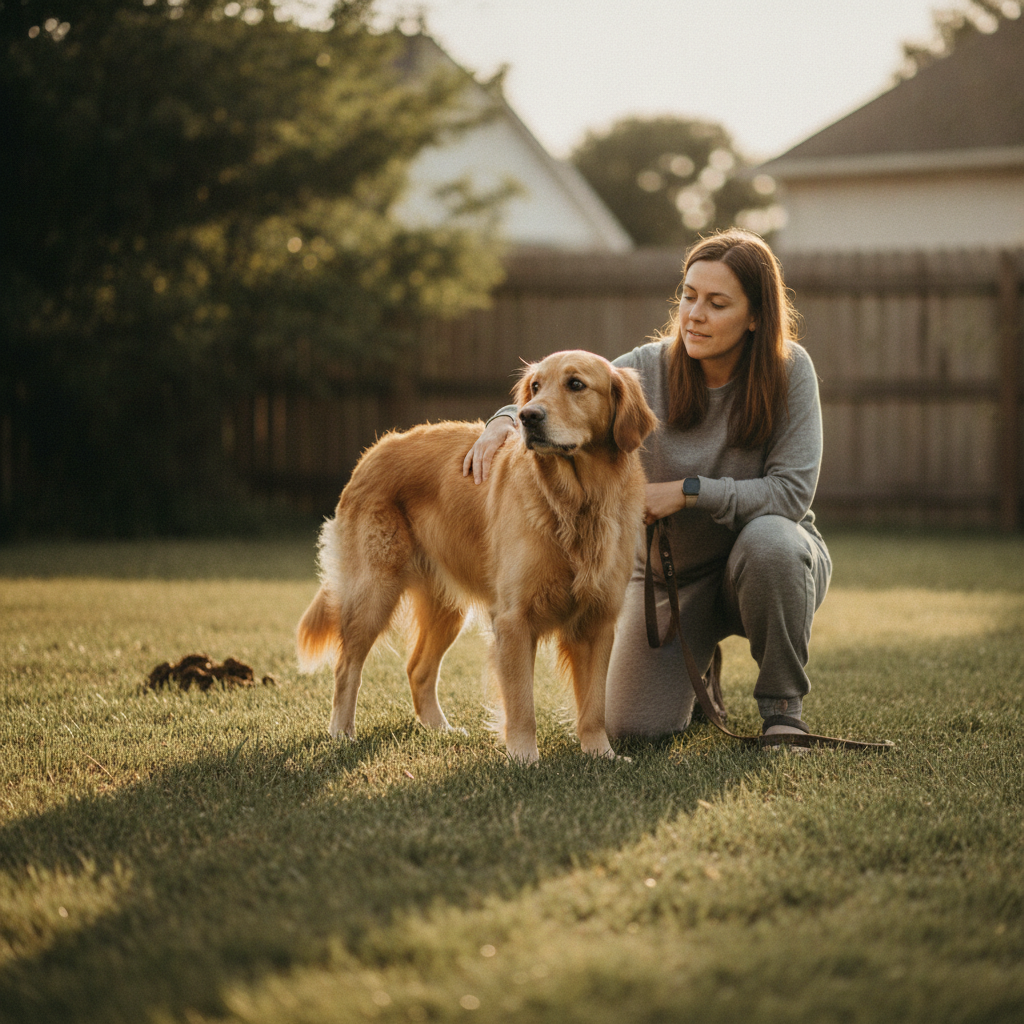
During a bowel movement, especially one that requires some effort, the colon undergoes intense contractions. This process can stimulate the vagus nerve. When this nerve is activated, it can sometimes cause a momentary dip in blood pressure or heart rate, leading to a mild, transient shudder or shake. It’s similar to how some humans might feel a little lightheaded or experience a slight tremor after straining.
Physical Exertion and Muscle Fatigue
Passing a bowel movement, particularly a large or firm one, requires significant physical effort. Your dog engages their abdominal muscles, core, and even their hindquarters to push the stool through the gastrointestinal tract. This can be quite an workout! Just like after any strenuous activity, these muscles can experience temporary fatigue or mild spasms.
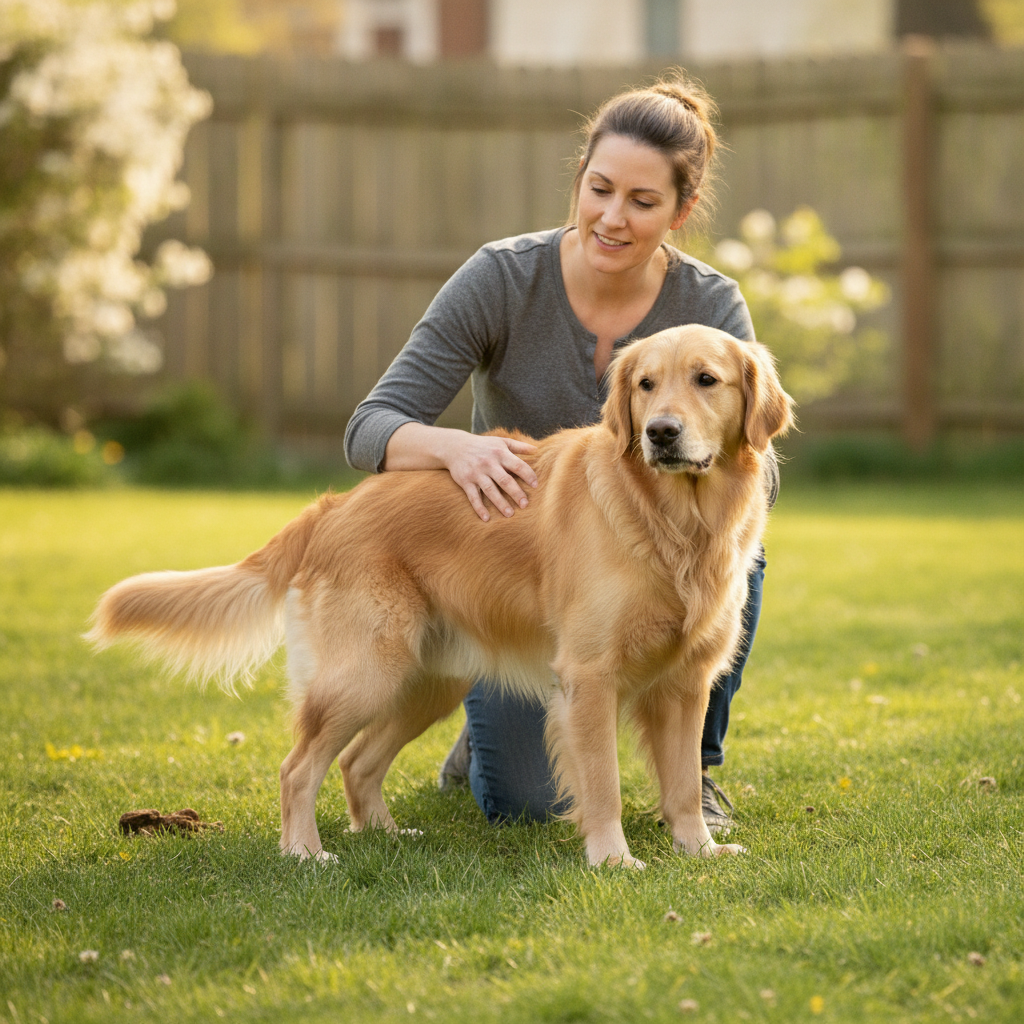
This muscle engagement can manifest as trembling in their limbs or across their body immediately afterward. If your dog was straining to poop, this exertion is even more pronounced, making muscle fatigue a more likely explanation for the post-defecation shaking. They’re simply working hard, and their body needs a moment to relax and recover.
Relief and Endorphin Release
Imagine the feeling of holding something in that’s causing mild discomfort and then finally releasing it. Dogs can experience something similar. If your dog was dealing with mild constipation, a gassy tummy, or just a full bowel, the sudden release of pressure and discomfort can be quite significant. This shift can trigger a physiological response.
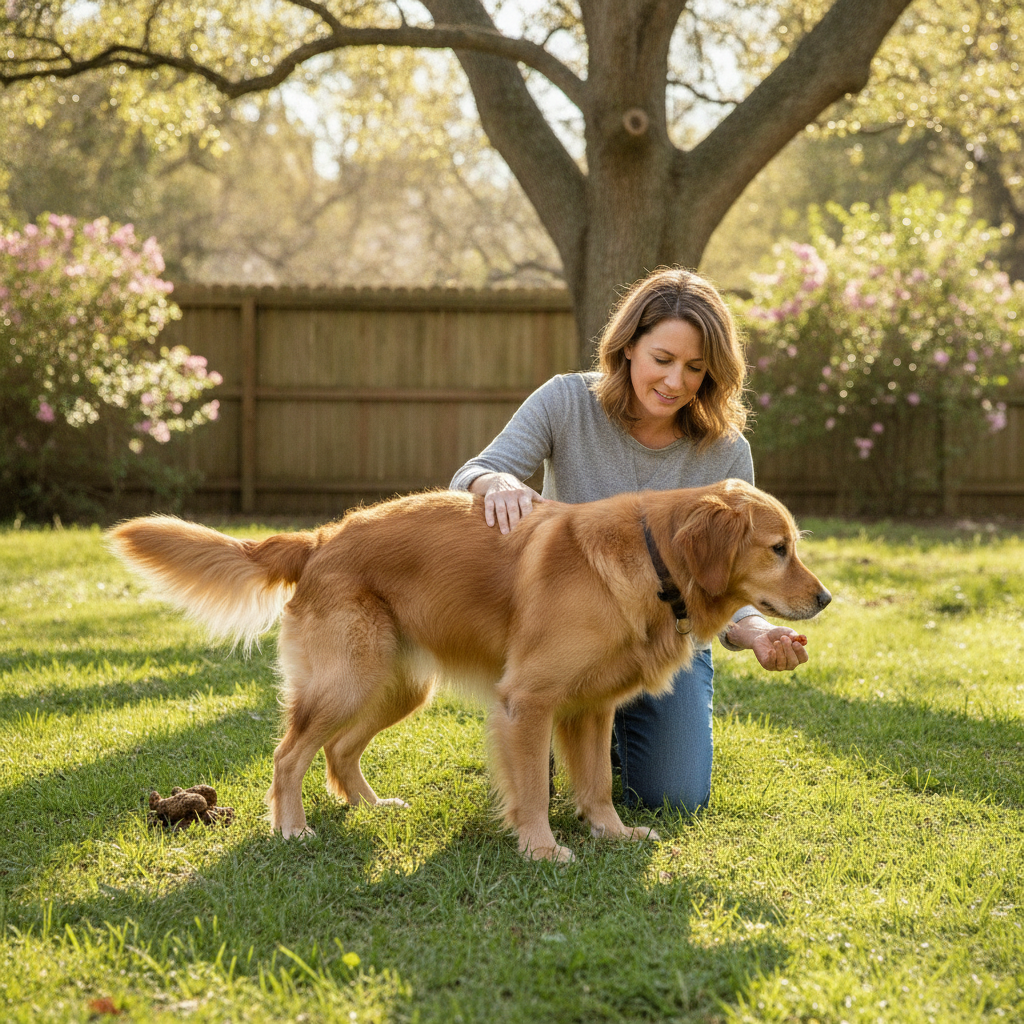
The body might release a rush of adrenaline or endorphins in response to this sudden transition from discomfort to relief. This hormonal surge can cause a dog to shake, almost as if they’re “shaking off” the previous discomfort. It’s a natural, albeit sometimes dramatic, way for their body to process that relief.
When Post-Poop Shaking Indicates a Health Issue
While often normal, post-pooping shaking can occasionally be a symptom of an underlying health concern. It’s important to pay close attention to the characteristics of the shaking and any other accompanying signs.
- Persistent Shaking: If the shaking lasts longer than a few minutes, doesn’t resolve, or seems to get worse, it’s a red flag.
- Signs of Pain or Discomfort: Watch for whining, yelping, lethargy, reluctance to move, hunched posture, or repeated straining without producing stool. This could indicate pain from constipation, an anal gland issue, or other gastrointestinal problems.
- Changes in Stool: Visible blood in the stool, very loose diarrhea, or extremely hard, dry stools are all signs that something is amiss with their digestive health.
- Weakness or Collapse: Any sign of extreme weakness, disorientation, or collapse after a bowel movement is an emergency and requires immediate veterinary attention.
- Other Symptoms: Vomiting, loss of appetite, changes in water intake, or fever coupled with shaking are all reasons for concern.
When to Talk to Your Veterinarian
If you’re ever concerned about your dog’s post-poop shaking, or if it’s accompanied by any of the warning signs mentioned above, it’s always best to consult your veterinarian. They can help determine the cause and recommend appropriate care.
To help your vet, keep a detailed log. Note how often the shaking occurs, how long it lasts, and what your dog’s stools look like (consistency, color, presence of blood or mucus). Also, be prepared to discuss any recent changes in their diet, activity levels, or general behavior. This information will be invaluable in helping your vet make an accurate assessment.
Remember, you know your dog best. If something feels “off,” trust your instincts and seek professional advice. Early intervention can make a big difference.
Frequently Asked Questions About Post-Poop Shaking
Is it normal for older dogs to shake after pooping?
It can be, and in some ways, it might even be more common. Older dogs might have weaker abdominal muscles, making straining more likely, or they may suffer from conditions like arthritis that make the physical act of squatting and defecating more challenging and strenuous. This increased effort can certainly lead to post-defecation shaking. However, any new or worsening shaking in an older dog should always be mentioned to your vet, as it could also relate to pain, neurological changes, or other age-related health issues.
Could shaking after pooping mean my dog is in pain?
Potentially, yes. While a brief shake is often a normal reflex, persistent shaking, or shaking accompanied by other signs of discomfort like whining, panting, or a hunched posture, could indicate pain. This pain might stem from constipation, anal gland issues (which can be very uncomfortable), gastrointestinal upset, or even musculoskeletal pain exacerbated by the act of pooping. If you suspect your dog is in pain, a vet visit is essential.
What should I do if my dog is also straining or constipated?
If your dog is straining or appears constipated, you can try offering more water or adding a small amount of dog-safe fiber to their diet, such as plain canned pumpkin (not pie filling). Ensure they have ample opportunity for walks and bathroom breaks, as exercise can help stimulate bowel movements. However, if straining persists for more than a day, or if you notice any blood, lethargy, or loss of appetite, contact your veterinarian immediately. Persistent constipation can be a sign of a more serious issue.
Most instances of a dog shaking after pooping are benign, a fleeting response to a normal bodily function. But as a careful pet owner, observing your dog’s patterns and overall well-being is key. If you ever find yourself concerned about persistent symptoms, accompanying signs of pain or illness, or just have a nagging feeling that something isn’t quite right, reaching out to your veterinarian is always the wisest choice. They are your best resource for ensuring your furry friend stays happy and healthy.