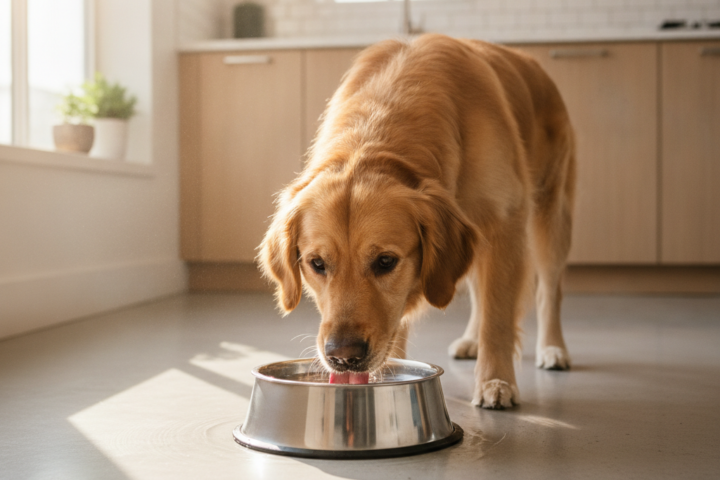
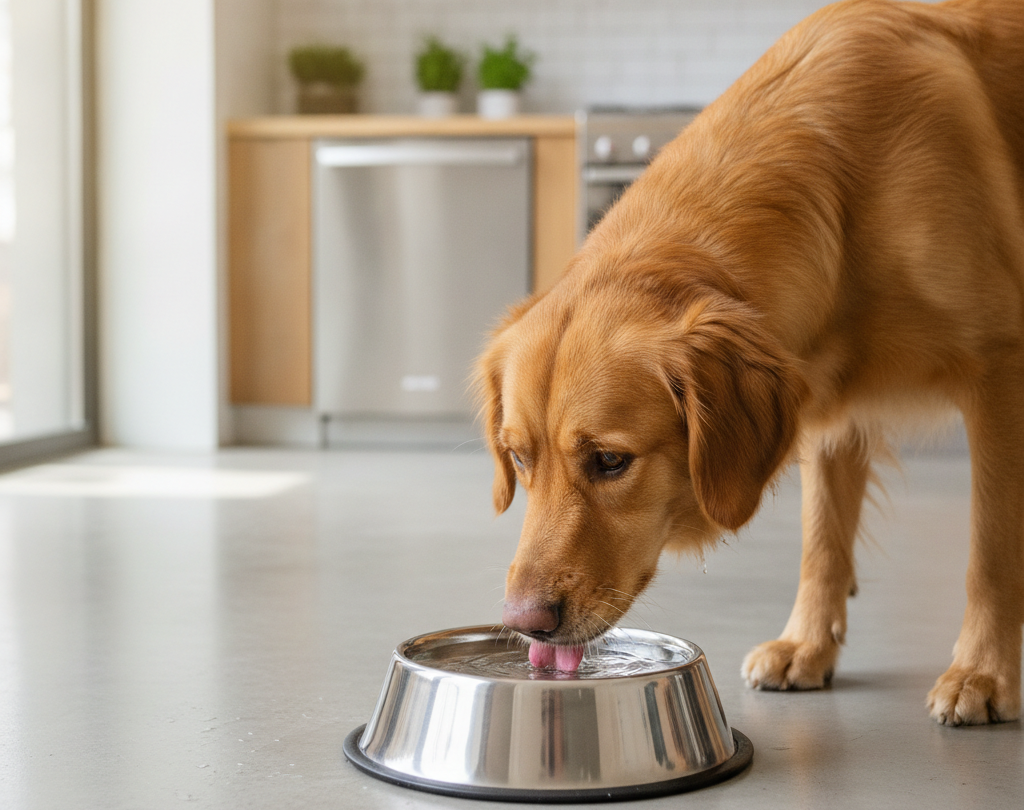
If you’ve noticed your dog suddenly drinking a lot more water than usual, it’s natural to feel concerned. Increased thirst, known medically as polydipsia, can be a completely normal response to certain everyday factors like hot weather or extra exercise. However, it can also be an early indicator of an underlying health issue. We’re here to help you understand what’s normal, what might be causing your dog’s increased thirst, and crucially, when it’s time to call your veterinarian.
Veterinary reference: The Merck Veterinary Manual explains that excessive thirst and urination can accompany kidney or urinary disorders and requires history, examination, and often blood and urine tests. Do not restrict access to water unless a veterinarian specifically directs it.
Key Takeaways:
- Normal daily water intake is roughly 0.5 to 1 ounce per pound of body weight.
- Diet, activity, and environment can all naturally increase thirst.
- Persistent excessive thirst often points to medical conditions like diabetes, kidney disease, or Cushing’s.
- Always watch for accompanying symptoms like frequent urination, appetite changes, or lethargy.
- Sudden, dramatic increases in thirst or other concerning symptoms warrant an immediate vet visit.
Table of Contents
Understanding Normal Water Intake for Dogs
To determine if your dog is drinking excessive water, it helps to know what a healthy amount looks like. Generally, a healthy adult dog should drink about 0.5 to 1 ounce of water per pound of body weight per day. So, a 50-pound dog would typically consume 25 to 50 ounces (about 3 to 6 cups) of water daily. This is a guideline, and individual needs can vary.
Several factors naturally increase a dog’s need for hydration. On hot days, or after a long walk or intense play session, it’s normal for your dog to drink more. Dogs on a dry kibble diet also tend to drink more than those who eat wet food, as wet food provides a good portion of their daily moisture. Even low humidity in your home can contribute to increased thirst.
To get a better idea of your dog’s actual consumption, try this: Measure how much water you put in their bowl in the morning. Measure what’s left at the end of the day or before refilling. The difference is roughly what your dog drank. Doing this for a few days can establish their baseline.
Common Everyday Causes of Increased Thirst
Before jumping to conclusions, consider these common, non-medical reasons why your dog might be drinking a lot more water:
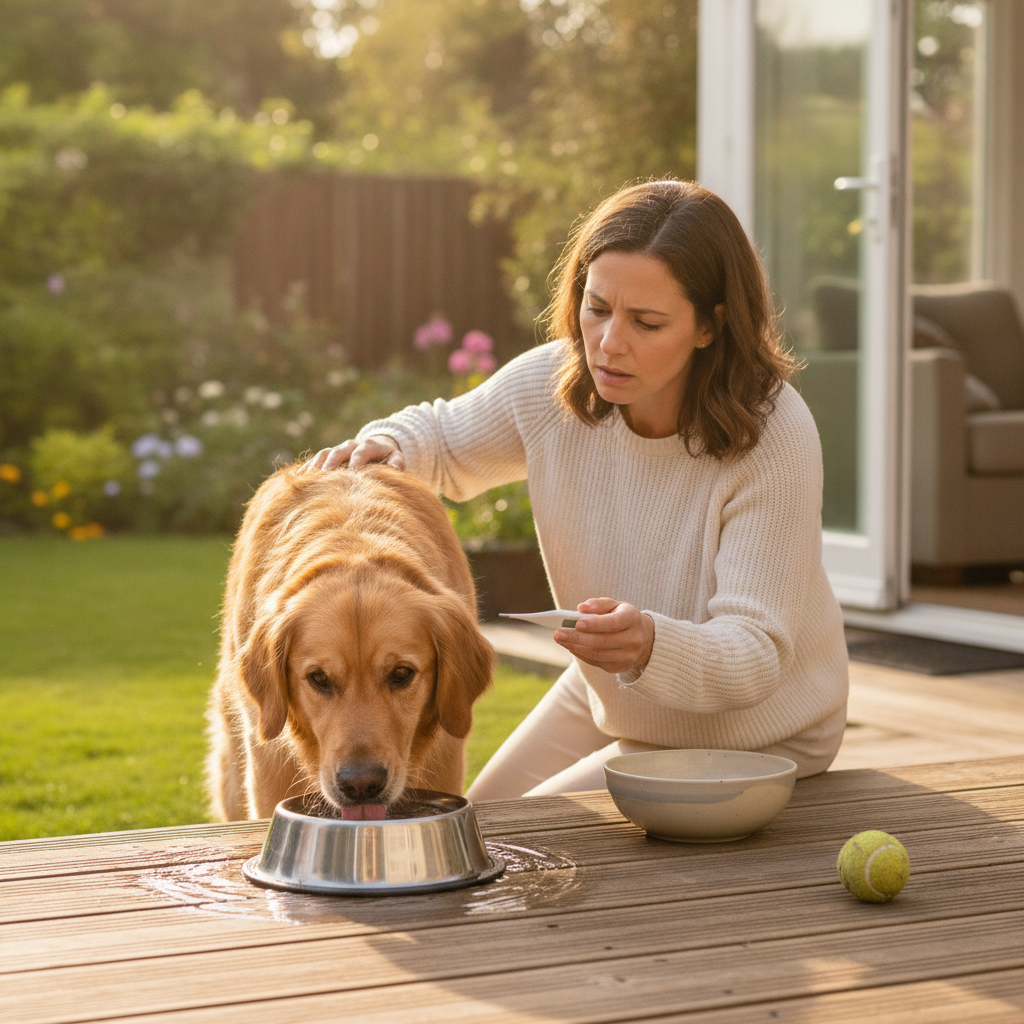
- Dietary Shifts: If you recently switched your dog from wet food to dry kibble, or introduced a new type of dry food, their body will need more water to process it. Kibble contains very little moisture compared to canned food.
- Environmental Changes: Hot weather, increased humidity, or even a warmer-than-usual house can make your dog feel thirstier. More time spent playing fetch or running at the park will also naturally increase their water intake to stay hydrated.
- Certain Medications: Some common medications can cause increased thirst as a side effect. For instance, corticosteroids (like prednisone) are well-known for making dogs drink and urinate more frequently. Diuretics can also have this effect. If your dog is on medication, check with your vet about potential side effects.
Checklist: Medical Conditions Linked to Excessive Thirst
When increased thirst, or polydipsia, persists or is accompanied by other symptoms, it can be a red flag for underlying health issues. Here are some of the more common medical conditions:
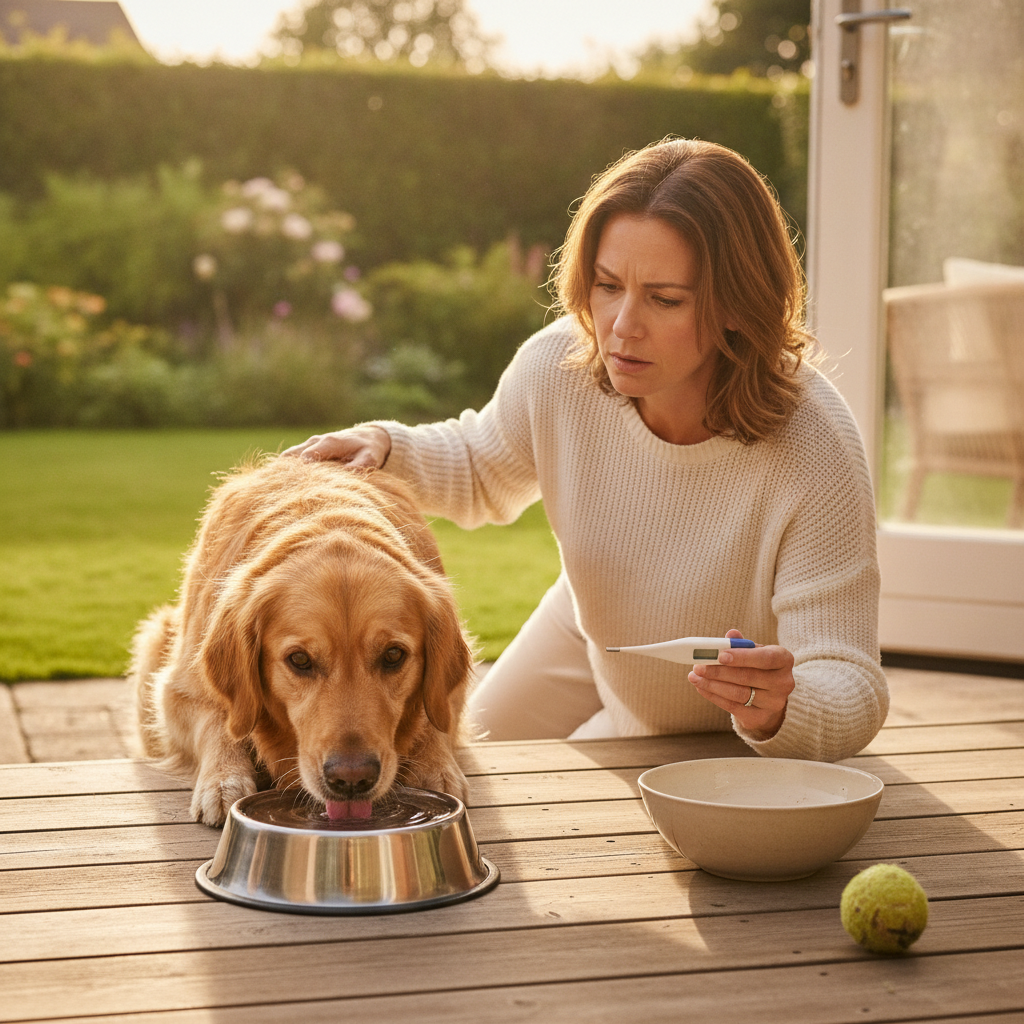
- Diabetes Mellitus: This condition occurs when a dog’s body can’t properly regulate blood sugar (glucose) due to insufficient insulin production or ineffective insulin use. The excess sugar spills into the urine, drawing large amounts of water with it, leading to extreme thirst and frequent urination.
- Kidney Disease: The kidneys play a vital role in filtering waste and concentrating urine. When kidney function declines, they can’t concentrate urine effectively, causing the dog to produce large volumes of dilute urine and, consequently, drink more water to compensate for the fluid loss.
- Cushing’s Disease (Hyperadrenocorticism): This condition results from the overproduction of cortisol by the adrenal glands. High cortisol levels can lead to increased thirst, along with other symptoms like a pot-bellied appearance, hair loss, and increased appetite.
- Urinary Tract Infections (UTIs): While not always the primary cause of truly excessive thirst, UTIs can cause discomfort and inflammation in the bladder and urethra, sometimes leading to increased urination and a compensatory increase in water intake.
- Liver Disease: A compromised liver can affect many bodily functions, including metabolism and detoxification, which can indirectly lead to increased thirst and other general signs of illness.
- Pyometra: In unspayed female dogs, a severe uterine infection called pyometra can cause significant thirst, lethargy, and other severe symptoms. This is a medical emergency.
Associated Symptoms to Watch For
Observing other changes in your dog’s behavior or physical state can provide crucial clues when assessing increased thirst. If you notice any of these symptoms alongside their increased water intake, it’s definitely time to reach out to your veterinarian:
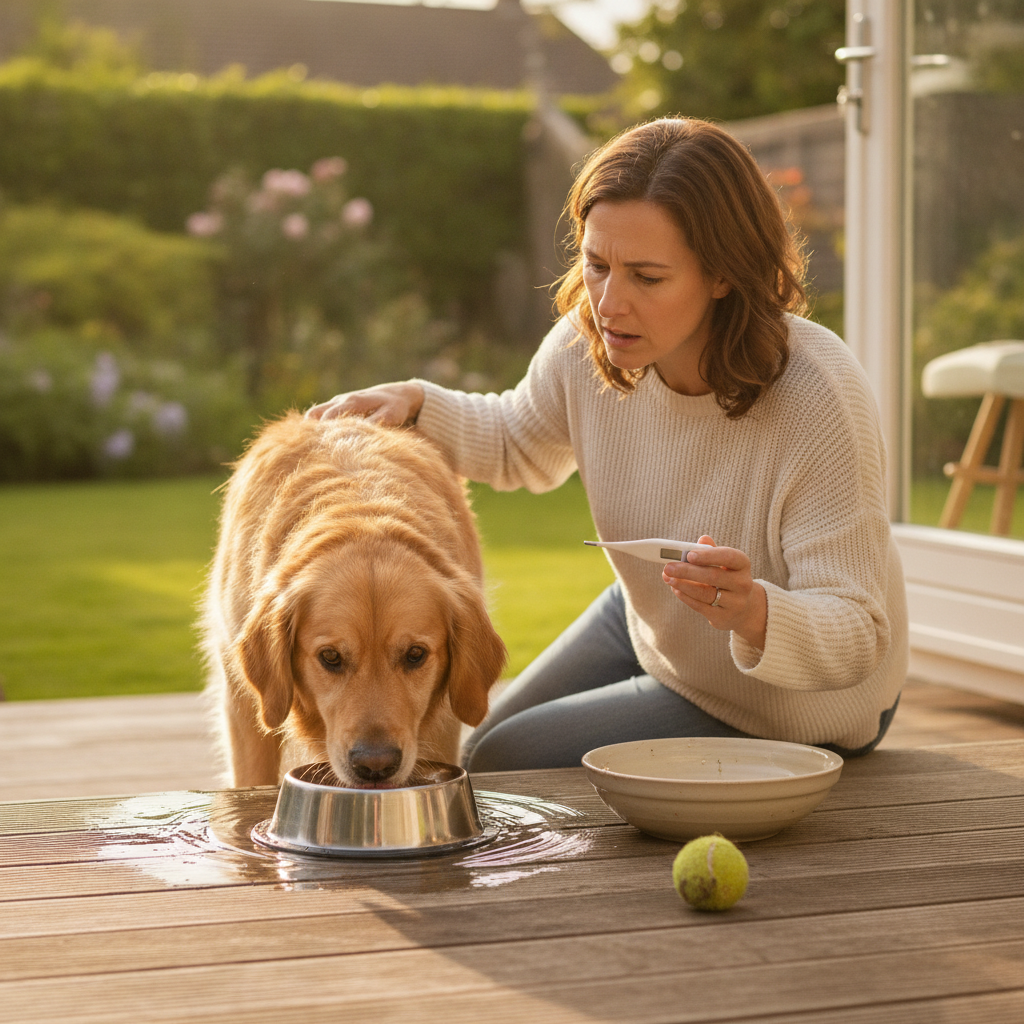
- Frequent Urination: Often, increased thirst is accompanied by increased urination (polyuria). This might mean your dog needs to go outside more often, has accidents in the house, or even wakes up during the night to relieve themselves.
- Changes in Appetite: Your dog might be hungrier than usual (common with diabetes or Cushing’s) or have a decreased appetite (more common with kidney or liver disease).
- Lethargy, Weakness, or Unexplained Weight Changes: These are general signs of illness. Lethargy or weakness can indicate a range of problems, while unexplained weight loss (despite a good appetite) can be a sign of diabetes or kidney disease. Weight gain can be seen with Cushing’s disease.
- Vomiting or Diarrhea: These symptoms, especially when combined with excessive thirst, can point to more serious issues that require immediate veterinary attention.
- Behavioral Changes: Any noticeable shift in mood, energy levels, or general demeanor can be a subtle sign that something is amiss with your pet’s health.
Red Flags: When to Contact Your Veterinarian
While some causes of increased thirst are benign, others are serious and require prompt medical attention. Always contact your veterinarian if you notice:
- A Sudden and Dramatic Spike: If your dog’s water consumption suddenly and significantly increases over a short period (24 to 48 hours), this is a red flag.
- Accompanying Severe Symptoms: If the excessive thirst is combined with vomiting, refusing food, extreme lethargy, sudden weakness, or collapse, seek emergency veterinary care immediately.
- Persistent Increased Thirst: If your dog has been drinking noticeably more water for several days or weeks, even if no other severe symptoms are present, it warrants a veterinary check-up. Early detection of underlying conditions often leads to better outcomes.
When you call or visit the vet, be prepared to share your observations. Bring information about how much water your dog is drinking (your measured daily intake), any other symptoms you’ve noticed, how long the change has been occurring, and any medications your dog is taking. If possible, collect a fresh urine sample (first morning sample is best) to bring with you; this can be incredibly helpful for diagnostic tests.
Frequently Asked Questions (FAQ)
How much water should a healthy dog drink in a day?
A healthy adult dog typically drinks about 0.5 to 1 ounce of water per pound of body weight per day. So, a 30-pound dog would usually drink 15 to 30 ounces (about 2 to 4 cups) daily. Remember that activity level, diet, and environmental temperature can cause this amount to fluctuate normally.
Should I restrict my dog’s access to water if they are drinking too much?
No, you should never restrict your dog’s access to water if you suspect they are drinking too much. Restricting water can lead to dehydration, which can be dangerous and worsen underlying medical conditions. If your dog is drinking excessively, it’s crucial to consult your veterinarian to identify and address the cause. They need that water for a reason.
Could my dog’s new food be making them thirsty?
Yes, absolutely. A change in diet, especially from a wet food to a dry kibble, can significantly increase your dog’s thirst. Dry kibble contains much less moisture, so your dog needs to drink more water to stay hydrated and help their body process the food. Even a new brand of dry kibble might have different moisture content or ingredients that affect thirst.
What tests will a vet run if a dog is drinking excessive water?
If your vet suspects an underlying medical condition, they will likely start with a thorough physical examination. Common diagnostic tests include a complete blood count (CBC), a biochemical profile (to assess kidney and liver function, glucose levels, etc.), and a urinalysis (to check urine concentration, signs of infection, and other parameters). Depending on these results, further tests like hormone assays (for Cushing’s disease) or imaging might be recommended.
Monitoring your dog’s water intake is a simple yet powerful way to keep an eye on their overall health. While an increase in thirst can sometimes be easily explained, it’s always best to be proactive. If you have any concerns about why your dog is drinking so much water, a conversation with your veterinarian is the best next step to ensure their well-being.