Signs of dehydration in dogs can include dry or tacky gums, skin that returns slowly after a gentle lift, sunken eyes, and unusual weakness. These clues are not a diagnosis: skin and gum checks can be misleading, particularly in older or very young dogs. If your dog is weak, collapses, repeatedly vomits, cannot keep water down, or shows signs of heat stress, contact an emergency veterinarian promptly. Offer fresh water to an alert dog that can drink normally, and ask your veterinarian what to do next.
Table of Contents
Key Takeaways
- Dehydration may accompany vomiting, diarrhea, heat exposure, fever, or reduced drinking.
- Gums, energy, appetite, urination, and overall behavior provide useful clues, but home checks are not a diagnosis.
- Collapse, severe weakness, repeated vomiting, bloody diarrhea, or inability to drink requires urgent veterinary care.
Veterinary reference: The Merck Veterinary Manual explains that vomiting, diarrhea, appetite loss, shock, and digestive illness can be associated with dehydration and fluid-electrolyte imbalance. Weakness, collapse, repeated vomiting, or inability to keep water down needs prompt veterinary care.
Why Water Matters for Your Dog’s Health
Water is more than just a drink for your dog; it’s a fundamental component of their health. It makes up a significant portion of an adult dog’s body weight, playing a vital role in virtually every bodily function. From regulating body temperature to aiding digestion and nutrient absorption, proper hydration ensures all internal systems operate smoothly.
Keep fresh water available throughout the day. How much a dog drinks varies with food moisture, size, activity, weather, and health; a single ounces-per-pound target cannot tell you whether an individual dog is hydrated. Notice substantial changes from your dog’s usual drinking and urination, and discuss them with your veterinarian.
Early and Common Signs of Dehydration
Catching dehydration early can prevent a more serious health crisis. Pay close attention to subtle shifts in your dog’s demeanor and physical presentation. These initial dog dehydrated symptoms can be easy to overlook if you’re not specifically looking for them.

- Dry or tacky gums: Gums are normally moist. Dryness can be a clue, but mouth breathing, panting, and other factors also affect how they feel.
- Slightly lowered energy levels or mild lethargy: Your dog might seem a bit more tired than usual, less enthusiastic about playtime, or slower to respond to commands.
- Sunken-looking eyes or reduced tear production: While harder to spot, a subtle sinking of the eyes can be a sign. You might also notice less moisture around their eyes.
- Loss of appetite: Dehydrated dogs may show a decreased interest in food.
How to Perform Simple At-Home Checks
Simple home observations can help you decide when to call your veterinarian, but they cannot measure the degree of dehydration or rule it out. Look at the whole picture: recent vomiting or diarrhea, heat exposure, drinking, urination, energy, and gum moisture.

The Skin Elasticity Test (Dog Skin Tent Test)
Gently lift a small fold of skin over the shoulders and release it. Skin that stays raised can be a warning sign, but this check is less reliable in older, very thin, or very young dogs. Skin that springs back does not rule out dehydration. If your dog seems ill, call your veterinarian even if the skin test looks normal.
Checking Moisture Levels in the Mouth and Gums
If it is safe to look, check whether the gums seem moist and whether their color differs from your dog’s usual color. Pale, blue, or unusually dark gums, weakness, or collapse need urgent veterinary assessment. A veterinarian can interpret gum color and capillary refill alongside the rest of the examination.
Monitoring Overall Daily Water Bowl Consumption
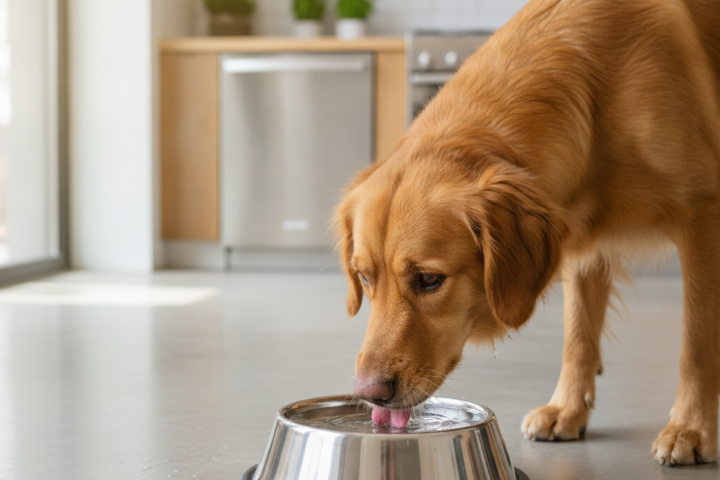
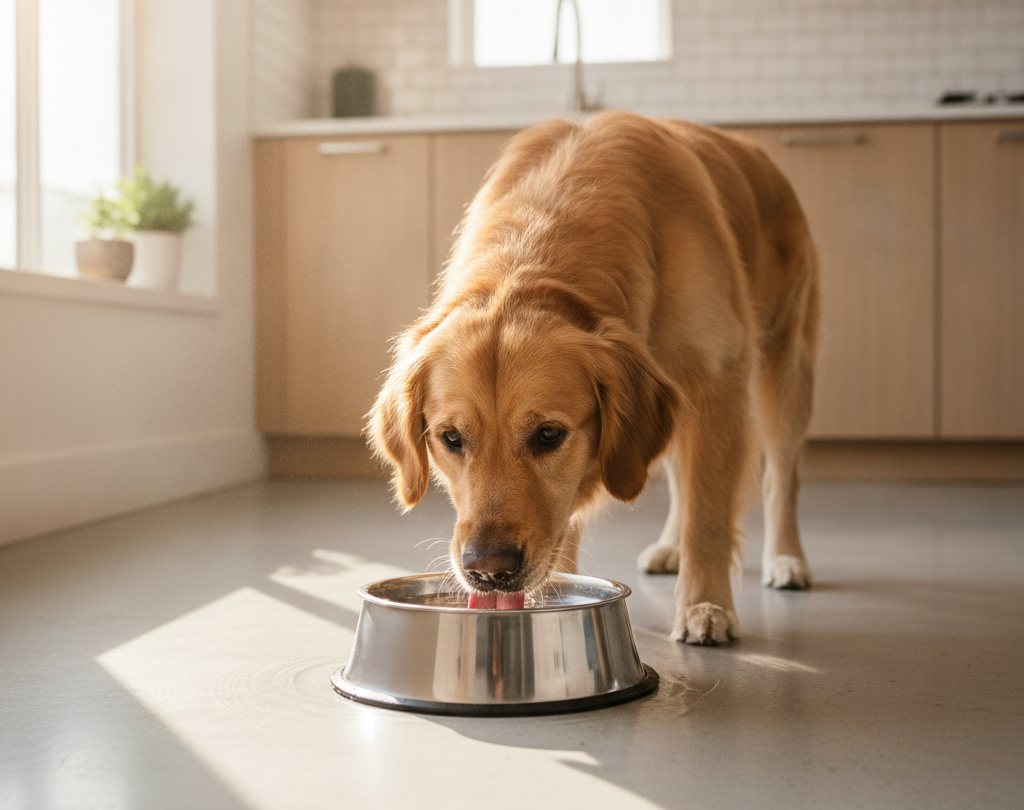
Keep an eye on how much water your dog is actually drinking. If you notice their water bowl isn’t emptying as quickly as usual, or if they seem uninterested in drinking, it’s a good time to start observing them more closely for other signs of dehydration. Tracking this can help you establish a baseline for your individual dog.
Severe Signs and Emergency Red Flags
When dehydration advances, the signs become much more pronounced and demand immediate veterinary attention. These severe signs indicate a medical emergency where your dog’s life could be at risk.

- Extreme lethargy or collapse: Your dog might be unable to stand, extremely weak, or unresponsive.
- Skin that stays tented: This may signal fluid loss, especially alongside weakness or dry gums. Because age and body condition affect this check, seek veterinary care rather than using it alone to judge severity.
- Heavy panting after heat exposure: Excessive panting, drooling, unsteadiness, abnormal gum color, or collapse can indicate heat stress. Move your dog to a cooler place and seek emergency veterinary care; do not wait for a skin test.
- Sunken eyes with dry mucous membranes: The eyes will appear very sunken, and the insides of the eyelids and gums will be noticeably dry.
Common Causes Behind Canine Dehydration
Understanding the causes of dehydration in dogs can help you prevent it. Fluid loss can occur for various reasons, some more common than others.
- Vomiting and diarrhea: These common gastrointestinal issues can lead to rapid fluid and electrolyte loss, quickly causing dehydration, especially if persistent.
- Excessive heat and vigorous exercise: Dogs can easily overheat and lose fluids through panting during hot weather or strenuous activity, particularly without adequate breaks and water access. This can quickly escalate to heat stroke.
- Inadequate water intake: Simply not drinking enough water is a straightforward cause. This could be due to dirty water, an empty bowl, a dog refusing to drink, or difficulty accessing water.
- Underlying illnesses: Certain medical conditions, such as kidney disease, diabetes, or fever, can cause increased urination or fluid loss, leading to chronic or acute dehydration.
- Lack of thirst response: Older dogs or those with certain medical conditions may have a diminished thirst drive.
When to Contact Your Veterinarian
Knowing when to seek professional help is vital for your dog’s safety. Dehydration can worsen rapidly, and early veterinary intervention can make a significant difference.
You should contact your veterinarian immediately if you observe any of the severe signs of dehydration, such as extreme lethargy, inability to stand, skin that remains tented, or persistent vomiting and diarrhea. These situations often require intravenous fluids and professional medical care.
Call your veterinarian if you notice dry gums, reduced drinking, or lower energy, especially with vomiting or diarrhea. An alert dog that can swallow normally may be offered fresh water. Do not force water into a weak, vomiting, or collapsed dog, and do not delay care while trying broth or home electrolyte remedies. Tell the clinic when symptoms began, what your dog has drunk, and whether urination has changed.
Frequently Asked Questions
How much water should a dog drink per day?
There is no single daily amount that fits every dog. Food moisture, activity, temperature, and medical conditions change water needs. Keep fresh water available and ask your veterinarian about a substantial change in your dog’s usual drinking or urination.
Can I give my dehydrated dog sports drinks or Pedialyte?
Do not use sports drinks, Pedialyte, or other human electrolyte products as a substitute for veterinary care unless your veterinarian specifically recommends one and gives a dose. Some products contain ingredients that are unsuitable for dogs. Offer plain water to an alert dog that can drink normally.
How quickly can dehydration become a medical emergency?
It can become urgent quickly when fluid loss is ongoing, especially with repeated vomiting, diarrhea, or heat exposure. Puppies, older dogs, and dogs with other illnesses may need earlier assessment. If your dog is weak, collapsed, or unable to keep water down, seek urgent veterinary care.
What causes a dog to suddenly stop drinking water?
Reduced drinking can occur with illness, nausea, pain, stress, or difficulty reaching water. If the change is sudden, especially with lethargy, vomiting, diarrhea, or abnormal urination, call your veterinarian rather than waiting for a fixed number of hours.
Understanding the signs of dehydration and knowing when to seek help is a critical part of responsible pet ownership. By staying vigilant and responding promptly to changes in your dog’s health, you can ensure they remain happy, healthy, and properly hydrated.