It can be unsettling to see your dog eat poop, but you’re not alone in wondering why. This common behavior, medically known as coprophagia, stems from a variety of reasons, ranging from simple behavioral quirks to underlying medical conditions. Often, it’s a puppy’s exploratory phase or an adult dog’s response to boredom or stress. Other times, it could signal a need for more nutrients or a hidden health issue. Understanding the specific cause for your dog is the first step toward gently and effectively addressing this habit.
A predictable routine can reduce unwanted habits. See our dog walking guide and these reward-based greeting tips.
Table of Contents
Key Takeaways
- Coprophagia (eating feces) is a surprisingly common behavior in dogs, particularly in puppies.
- The reasons can be diverse, from behavioral (boredom, seeking attention) to medical (nutritional deficiencies, digestive problems).
- Addressing the habit often requires a combination of environmental management, positive training, and sometimes veterinary intervention.
- Always consult your veterinarian if the behavior is new, persistent, or accompanied by other health changes.
What Is Coprophagia?
Coprophagia is the scientific term for the act of eating feces. While it might seem strange or repulsive to humans, it’s a behavior that many dogs engage in at some point in their lives. It’s often observed in puppies as they explore their world, but it can persist into adulthood for various reasons.
This habit can involve eating their own stool, the feces of other dogs, or even the waste of other animals, such as cats or wildlife. Understanding which type of coprophagia your dog is exhibiting can sometimes offer clues to the underlying cause.
Common Behavioral Causes
Many instances of a dog eating feces are rooted in their environment or emotional state. These behavioral issues are often easier to identify and manage with consistent effort.
Boredom, Stress, or Anxiety
Dogs, especially those left alone for long periods without sufficient mental or physical stimulation, may resort to eating poop out of boredom. It becomes something to do, a way to pass the time. Similarly, dogs experiencing stress or anxiety, perhaps due to changes in their routine, separation anxiety, or an intimidating environment, might engage in coprophagia as a self-soothing mechanism.
Seeking Attention from the Owner
Sometimes, dogs learn that eating poop garners a swift, albeit negative, reaction from their owners. Even a sharp “No!” or chasing them away can be interpreted as attention. If your dog only engages in the behavior when you are present and watching, it could be an attention-seeking strategy.
Maternal Instincts
Female dogs will naturally eat the feces of their puppies. This is an instinctive behavior designed to keep the den clean and reduce odors that might attract predators. While a crucial part of puppy care, this habit usually subsides once the puppies are weaned.
Mimicking Other Household Pets
In multi-pet households, a dog might observe another animal, particularly another dog, eating feces and learn the behavior. Puppies are especially prone to mimicking behaviors they see in older, established members of their social group.
Medical and Nutritional Triggers
Beyond behavioral reasons, there are significant health and dietary factors that can lead a dog to eat feces. If behavioral interventions aren’t working, or if the behavior started suddenly, it’s crucial to consider these underlying medical causes.
Poor Nutrient Absorption or Inadequate Diet
If a dog isn’t absorbing enough nutrients from their food, their body may attempt to re-ingest feces to extract any remaining nutritional value. This can be due to a diet that lacks essential vitamins and minerals, or one that is simply not digestible for that particular dog.
High-quality, balanced dog food is vital for overall health. Sometimes, a dog may not be getting enough protein, fat, or fiber, leading them to seek these elements elsewhere.
Parasites, Exocrine Pancreatic Insufficiency, or Other Gastrointestinal Disorders
Internal parasites can steal nutrients from your dog, leaving them feeling constantly hungry and malnourished, even if they eat their regular meals. Similarly, conditions like Exocrine Pancreatic Insufficiency (EPI) mean your dog’s pancreas isn’t producing enough digestive enzymes, preventing proper nutrient absorption. Other gastrointestinal disorders, ranging from inflammatory bowel disease to bacterial imbalances, can also interfere with digestion and absorption, potentially leading to coprophagia.
Increased Appetite Caused by Certain Medications or Underlying Illness
Some medications, such as steroids, can significantly increase a dog’s appetite, making them feel perpetually hungry. Additionally, certain medical conditions like diabetes, thyroid issues, or Cushing’s disease can increase appetite or alter metabolism, driving a dog to seek additional food sources, including feces.
Practical Prevention Strategies
Once you have a better understanding of why your dog might be eating poop, you can implement targeted strategies. A multi-pronged approach usually works best, combining management, training, and addressing any underlying health issues.
Immediate Yard Cleanup and Management
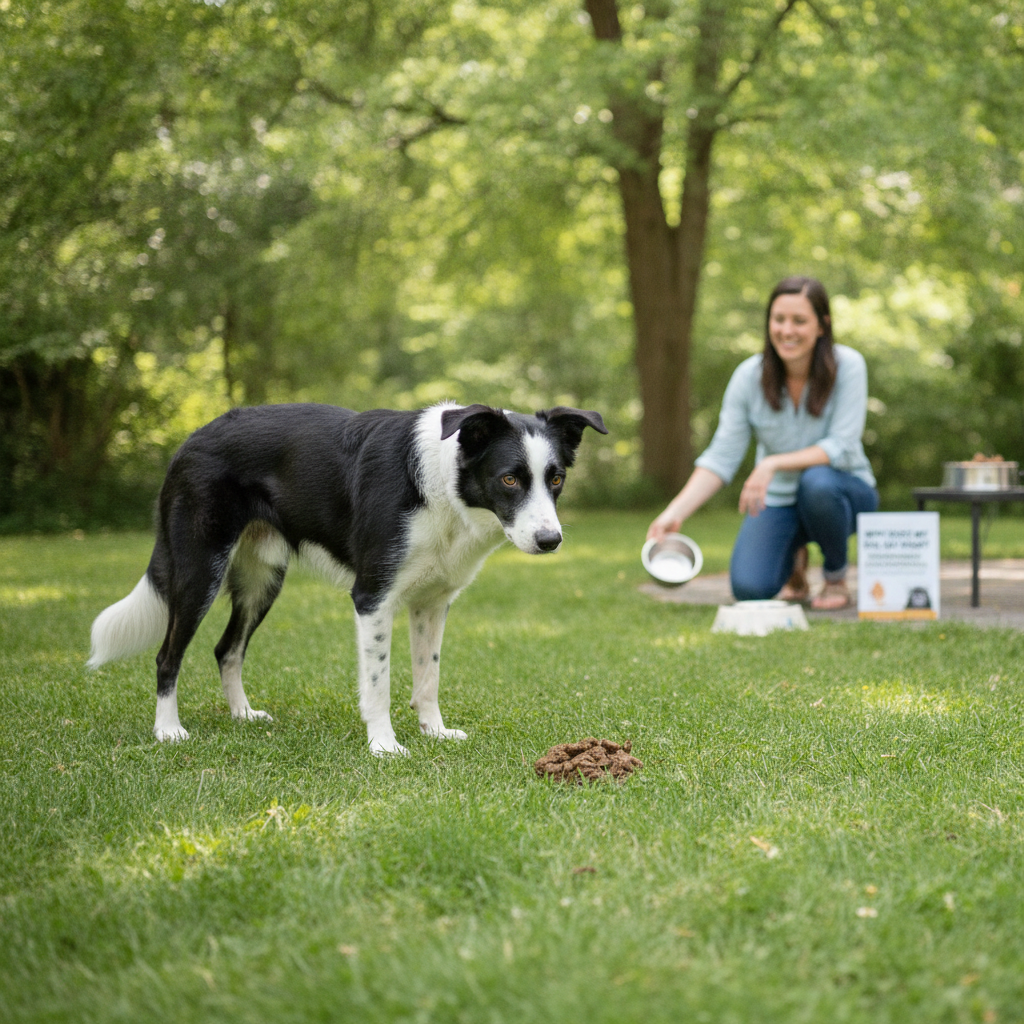
The simplest and most effective strategy is to remove the temptation. Clean up your yard or dog park immediately after your dog or other pets relieve themselves. If you have cats, ensure litter boxes are kept clean and are inaccessible to your dog. Supervision during walks is also key to prevent consumption of other animals’ feces.
Teaching Strong ‘Leave It’ and ‘Drop It’ Cues
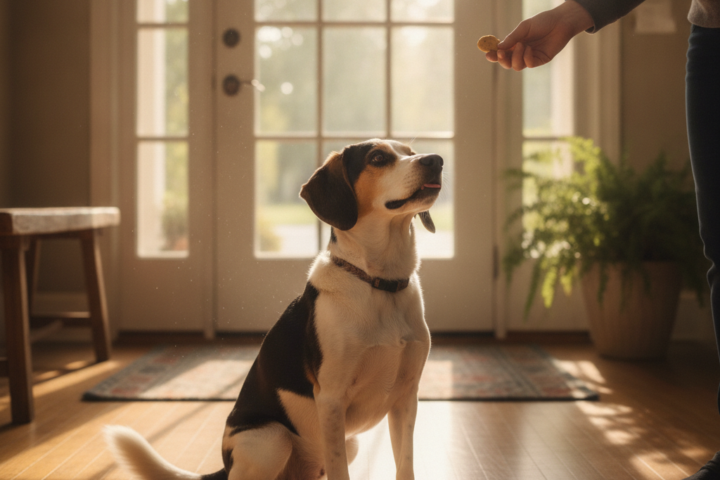
These commands are invaluable tools. Teach your dog “leave it” to prevent them from approaching or picking up feces, and “drop it” if they already have something in their mouth. Practice these commands consistently in various environments, rewarding your dog generously with high-value treats when they obey.
Providing Mental Enrichment and Adequate Exercise
Combat boredom and stress with plenty of physical activity and mental stimulation. Regular walks, playtime, puzzle toys, interactive feeders, and training sessions can significantly reduce the urge to engage in undesirable behaviors like coprophagia. A tired and mentally stimulated dog is less likely to look for trouble.
Addressing Nutritional Gaps with Veterinarian Guidance
If a nutritional deficiency or malabsorption is suspected, your veterinarian can recommend dietary changes or supplements. This might involve switching to a more digestible food, adding specific digestive enzymes, or using a supplement designed to make feces less appealing. Never try to self-diagnose or treat nutritional issues without professional advice.
When to Consult Your Veterinarian
While some instances of coprophagia are harmless behavioral quirks, others signal a need for professional medical attention. Knowing when to involve your vet is crucial for your dog’s health and your peace of mind.
- Sudden Onset in an Adult Dog: If your adult dog suddenly starts eating feces after never doing so before, it’s a significant red flag. This often points towards an underlying medical condition or a sudden stressor.
- Accompanying Symptoms: Be alert for other symptoms alongside coprophagia, such as weight loss, lethargy, vomiting, diarrhea, a dramatic increase or decrease in appetite, or changes in thirst. These signs strongly suggest a medical problem that requires investigation.
- Persistent Behavior Despite Interventions: If you’ve diligently tried behavioral strategies and management techniques, but the coprophagia persists or worsens, a veterinary check-up is warranted to rule out hidden health issues.
Your veterinarian can perform a thorough examination, run diagnostic tests (like fecal exams for parasites or blood tests for metabolic issues), and help pinpoint the exact cause. They can then recommend appropriate treatment, whether it’s dietary adjustments, medication, or a referral to a veterinary behaviorist.
Frequently Asked Questions
Can eating poop make my dog sick?
Yes, eating poop can potentially make your dog sick. Feces can contain parasites, bacteria (like Salmonella or E. coli), viruses, or remnants of medications that another animal has ingested. While some dogs may show no ill effects, others could develop gastrointestinal upset, diarrhea, vomiting, or parasitic infections.
Are certain dog breeds more likely to eat poop?
While coprophagia can occur in any breed, some studies and anecdotal evidence suggest that certain breeds might be predisposed. Hounds and terriers, known for their strong sniffing and scavenging instincts, are sometimes noted to have higher rates, but more research is needed to definitively confirm breed-specific tendencies.
Do food additives really stop dogs from eating poop?
Some commercial food additives are marketed to make feces taste unappealing to dogs. These often contain ingredients like yucca, pepper, or digestive enzymes. Their effectiveness varies widely among individual dogs; some owners report success, while others find them ineffective. They work best when the coprophagia is primarily behavioral or due to mild maldigestion, rather than a significant medical issue.
Is it normal for puppies to eat feces?
Yes, it is quite common and often considered a normal part of puppy development. Puppies are highly exploratory and learn about their world through their mouths. They may eat feces out of curiosity, to mimic their mother cleaning the den, or to explore new textures. While common, it’s still best to gently discourage the behavior and ensure they don’t develop it into an adult habit.
Understanding why your dog eats poop is the first step toward finding a solution that works for both of you. With patience, consistent training, environmental management, and a close partnership with your veterinarian, you can help your canine companion overcome this challenging habit and ensure their well-being.