Recognizing the signs of a urinary tract infection in cats early is crucial for their comfort and long-term health. These issues, often broadly categorized under Feline Lower Urinary Tract Disease (FLUTD), frequently manifest through noticeable changes in litter box habits, signs of physical discomfort, and sometimes a shift in their overall demeanor. Being attentive to these subtle and more obvious indicators can help you seek timely veterinary care, which is key to preventing more serious complications and ensuring your cat receives appropriate treatment to feel better.
Veterinary reference: The Cornell Feline Health Center lists painful or frequent urination, blood in urine, urinating outside the litter box, and genital licking as lower urinary tract signs. Passing little or no urine—especially in a male cat—is an emergency.
Table of Contents
Key Takeaways
- Litter Box Changes: Increased frequency, straining, or urinating outside the box are common indicators.
- Physical Discomfort: Excessive licking of the genital area or vocalizing during urination can signal pain.
- Urgent Red Flags: Complete inability to urinate is a life-threatening emergency requiring immediate veterinary attention.
- Vet Visit Prep: Track symptoms and gather information to help your veterinarian make an accurate assessment.
Common Behavioral Signs of Urinary Discomfort
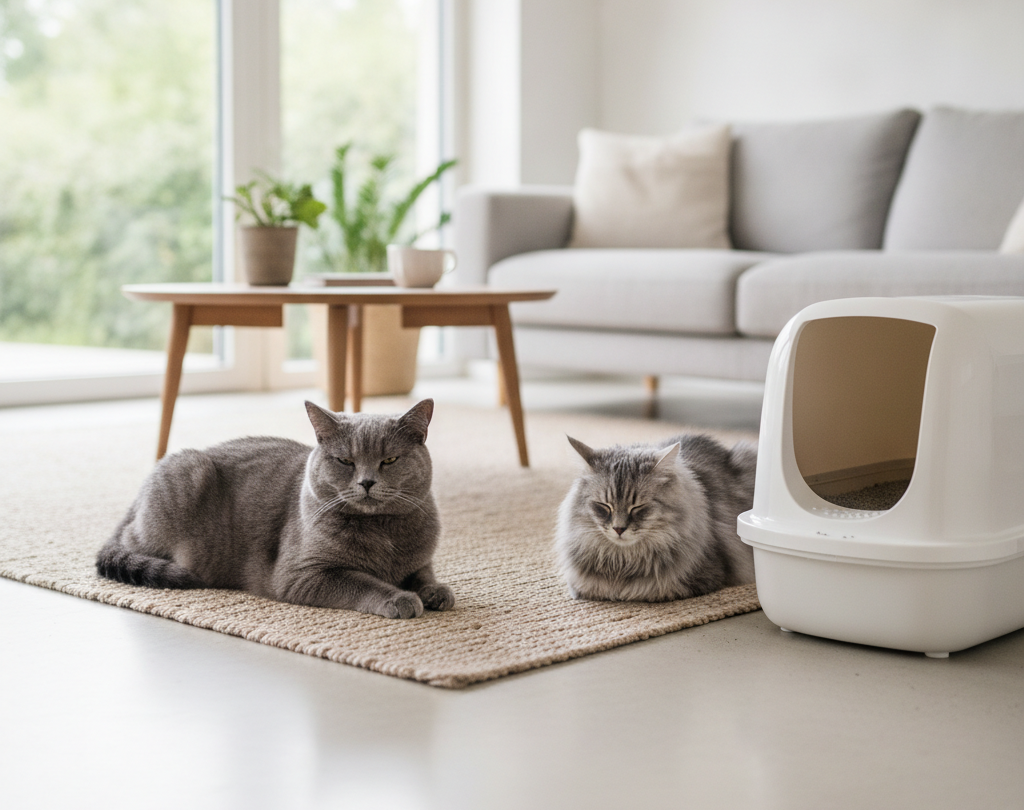
One of the first places you might notice signs of a urinary tract issue in your cat is around their litter box. Cats are creatures of habit, and any deviation in their routine, especially concerning elimination, warrants attention.
- Frequent Trips to the Litter Box with Little or No Output: You might see your cat going into the litter box much more often than usual. They might squat repeatedly, but produce only a small amount of urine, or sometimes none at all. This frequent, unproductive squatting is a significant red flag.
- Crying or Vocalizing While Attempting to Urinate: If your cat is experiencing pain or discomfort, they may vocalize (meow, cry, growl) while trying to use the litter box. This indicates that the act of urinating is painful for them.
- Spending an Unusual Amount of Time Squatting in the Box: A cat struggling with urinary issues might spend a prolonged amount of time in the litter box, adopting the urinating posture without successfully passing urine. They may seem restless or agitated during this time.
Physical Clues to Look For
Beyond the litter box itself, your cat might exhibit other physical signs that point to urinary distress. These can be observed in their environment or directly on their body.
- Accidents Outside the Litter Box: A cat suddenly urinating outside their litter box, especially on cool, smooth surfaces like tile floors, bathtubs, sinks, or even in laundry piles, could be trying to tell you something is wrong. They might associate the litter box with pain and seek other places to relieve themselves.
- Excessive Licking of the Genital Area: Cats will often try to soothe discomfort by grooming. If you notice your cat excessively licking their genitals or abdomen, it could be a sign of irritation or pain in their urinary tract.
- Visible Blood in the Urine: If you use a light-colored or white litter, or if your cat has an accident on a light surface, you might observe pink, red, or rust-colored urine, indicating the presence of blood. This is a clear sign that something is amiss and requires veterinary attention.
Understanding Potential Underlying Causes
It’s important to remember that while the symptoms may be similar, the underlying causes of feline urinary issues can vary greatly. A veterinarian is essential for an accurate diagnosis.
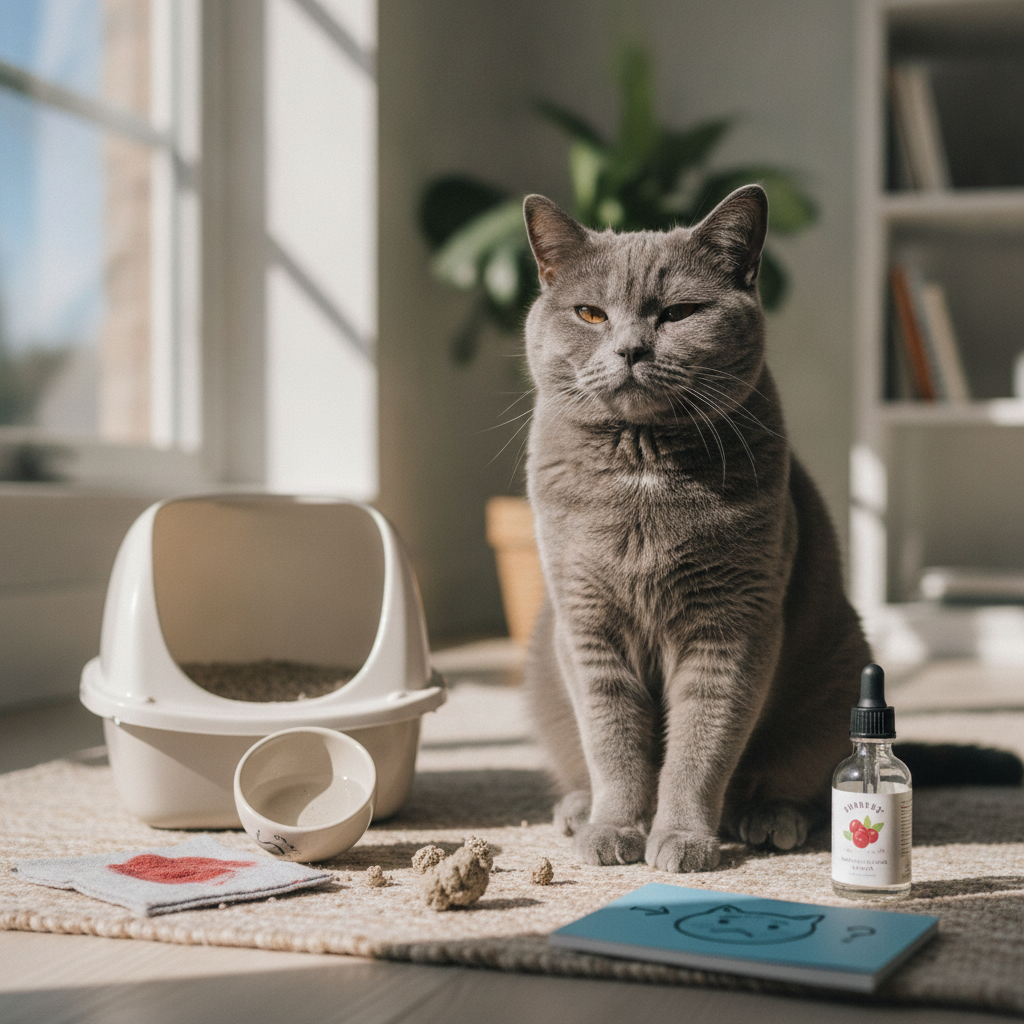
- Distinction Between Bacterial Infections and Sterile Inflammation: While we often use the term “urinary tract infection” (UTI), true bacterial infections are less common in cats than in dogs and humans. Many feline urinary issues, especially in younger and middle-aged cats, are caused by a condition called Feline Idiopathic Cystitis (FIC), which is a sterile inflammation of the bladder without bacterial involvement. However, older cats can be more prone to bacterial UTIs, sometimes linked to other health conditions.
- The Role of Stress in Feline Lower Urinary Health: Stress is a significant factor in FLUTD, particularly FIC. Changes in routine, household conflict, new pets, or even subtle environmental shifts can trigger urinary symptoms in sensitive cats. Managing stress is a crucial part of long-term urinary health.
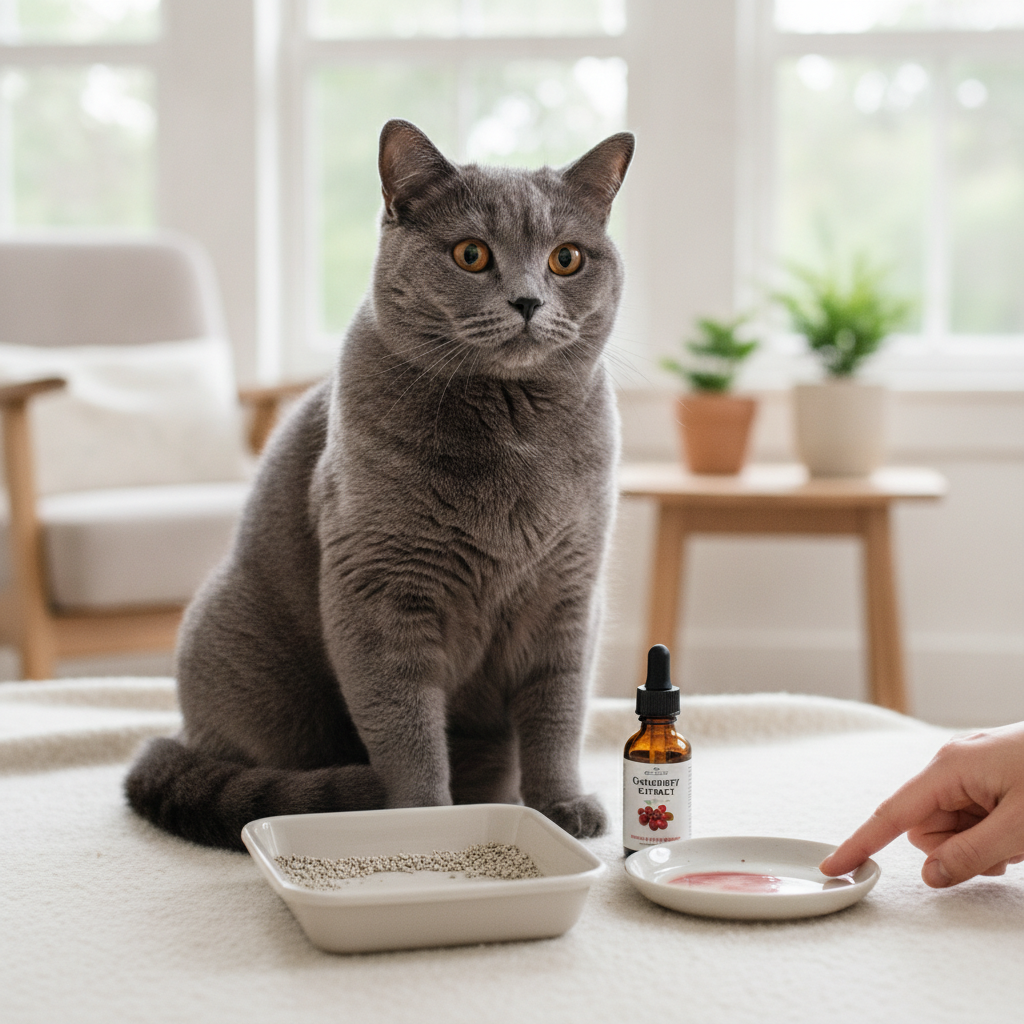
- Importance of Proper Hydration and Diet in Urinary Maintenance: Adequate water intake helps to dilute urine and flush the bladder, which can be protective against certain urinary issues. A diet high in moisture, such as wet food, often supports better hydration. Some cats may also benefit from specially formulated diets that help maintain optimal urinary pH and reduce crystal formation, preventing blockages or irritation. Encourage water intake by offering fresh water in multiple locations, using ceramic or stainless steel bowls, or trying a cat water fountain. Ensure any flavorings like broths are plain and free of harmful ingredients like onion, garlic, xylitol, or excessive salt.
Urgent Red Flags: When It Is an Emergency
While many urinary issues require veterinary attention, some symptoms indicate a life-threatening emergency. Knowing these urgent red flags can save your cat’s life.
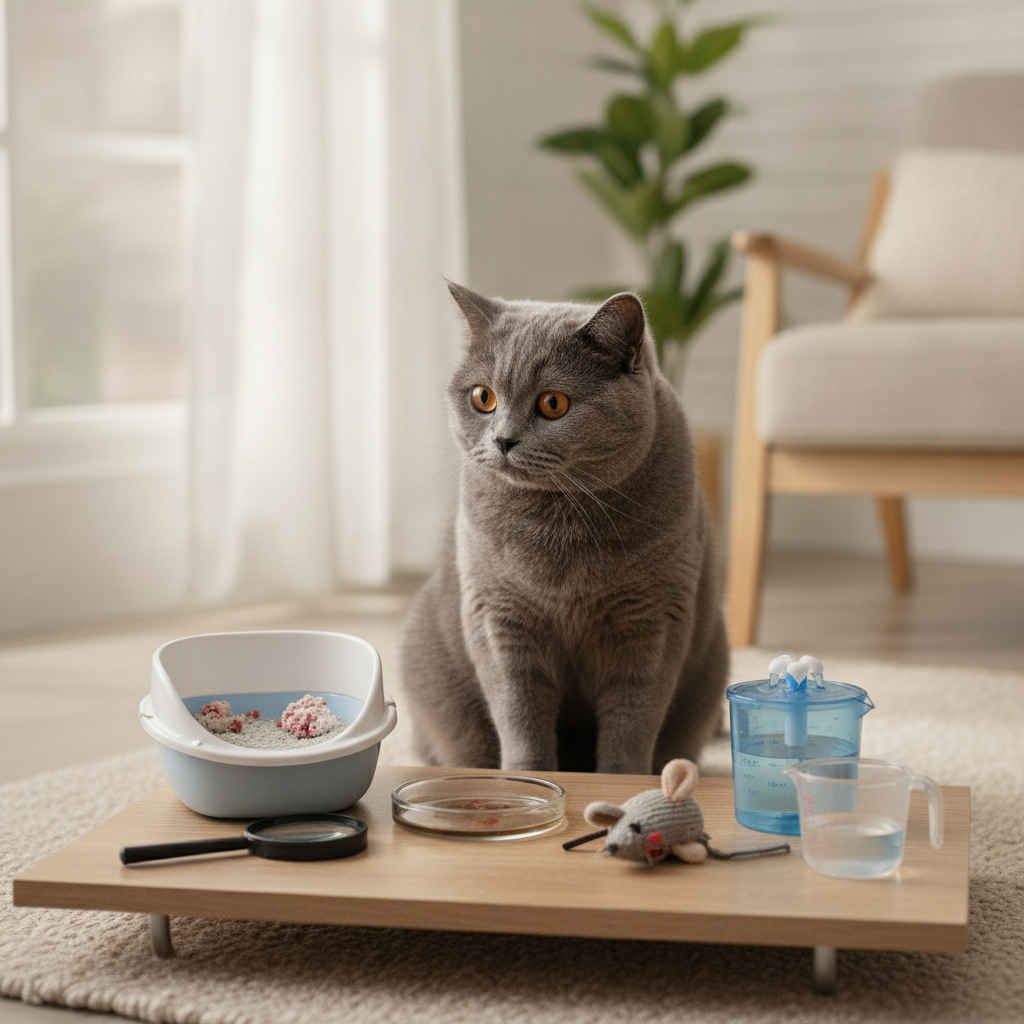
- Complete Inability to Pass Urine, Which Is a Life-Threatening Emergency: If your cat is repeatedly going to the litter box and straining, but no urine is coming out at all, this is a severe emergency. This often indicates a urethral obstruction, where something (like a stone or plug of inflammatory material) is blocking the urethra. This is extremely painful and can lead to kidney failure and death within 24-48 hours if not treated immediately. Male cats are particularly susceptible due to their narrower urethras.
- Extreme Lethargy, Vomiting, or Severe Abdominal Pain: These symptoms, especially when combined with straining to urinate, suggest that the urinary issue has progressed to a critical stage. Lethargy, vomiting, and pain are signs of systemic illness, likely due to toxins building up in the body if urine cannot be expelled.
- Distended or Firm Abdomen During Handling: Gently feeling your cat’s lower abdomen (between the back legs) might reveal a hard, distended, and painful bladder if they are blocked. If your cat cries out or shows significant discomfort when you touch this area, seek immediate veterinary care.
If you observe any of these urgent red flags, do not wait. Contact your veterinarian or an emergency veterinary clinic immediately.
Preparing for Your Veterinarian Visit
When you suspect your cat has a urinary issue and schedule a veterinary visit, gathering certain information beforehand can greatly assist your vet in making an accurate diagnosis and treatment plan.
- Tracking Frequency and Duration of Litter Box Visits: Make a note of how often your cat is attempting to urinate, how long they are spending in the litter box, and if they are producing any urine. This timeline is very helpful.
- Noting Changes in Water Consumption and Diet: Has your cat been drinking more or less water? Have you recently changed their food? Any dietary or hydration shifts could be relevant to their urinary health.
- Bringing a Fresh Urine Sample if Requested by the Clinic: Your veterinarian will likely need a urine sample for analysis. If your clinic advises you to collect one at home, they may provide a special non-absorbent litter or instructions on how to collect a clean sample before your appointment. This can save time and stress during the visit.
Frequently Asked Questions
Understanding feline urinary health often brings up several common questions from concerned pet owners.
Can male and female cats both get urinary tract infections?
Yes, both male and female cats can experience urinary tract issues. However, male cats are at a significantly higher risk of developing a life-threatening urethral obstruction due to their narrower urethras. Female cats can get bacterial UTIs, but they are less prone to blockages. Regardless of sex, any signs of urinary discomfort warrant veterinary attention.
Why is a blocked urethra considered a medical emergency?
A blocked urethra is an emergency because it prevents the cat from expelling urine. When urine cannot leave the body, toxins build up, leading to kidney failure, electrolyte imbalances, and potentially rupturing of the bladder. This condition is extremely painful and can be fatal within a short period if not treated promptly by a veterinarian.
How can I encourage my cat to drink more water?
To encourage more water intake, try offering multiple water stations around your home, using ceramic or stainless steel bowls, or investing in a cat water fountain. Some cats prefer running water. You can also incorporate more wet food into their diet, or add a small amount of plain, cat-safe broth (without onion, garlic, excessive salt, or other harmful ingredients) to their water or food.
Are outdoor cats harder to monitor for urinary issues?
Yes, monitoring urinary issues in outdoor cats can be more challenging because you won’t always observe their litter box habits. You might miss signs like frequent squatting, straining, or blood in the urine. For outdoor cats, pay close attention to overall behavioral changes, such as increased genital licking, lethargy, or vocalization, and consider bringing them indoors if you suspect an issue for closer observation.
Being vigilant about your cat’s urinary health is a vital part of responsible pet ownership. If you notice any of the signs discussed here, from subtle changes in litter box habits to more urgent symptoms, contact your veterinarian promptly. Early intervention can make a significant difference in your cat’s comfort and long-term well-being.