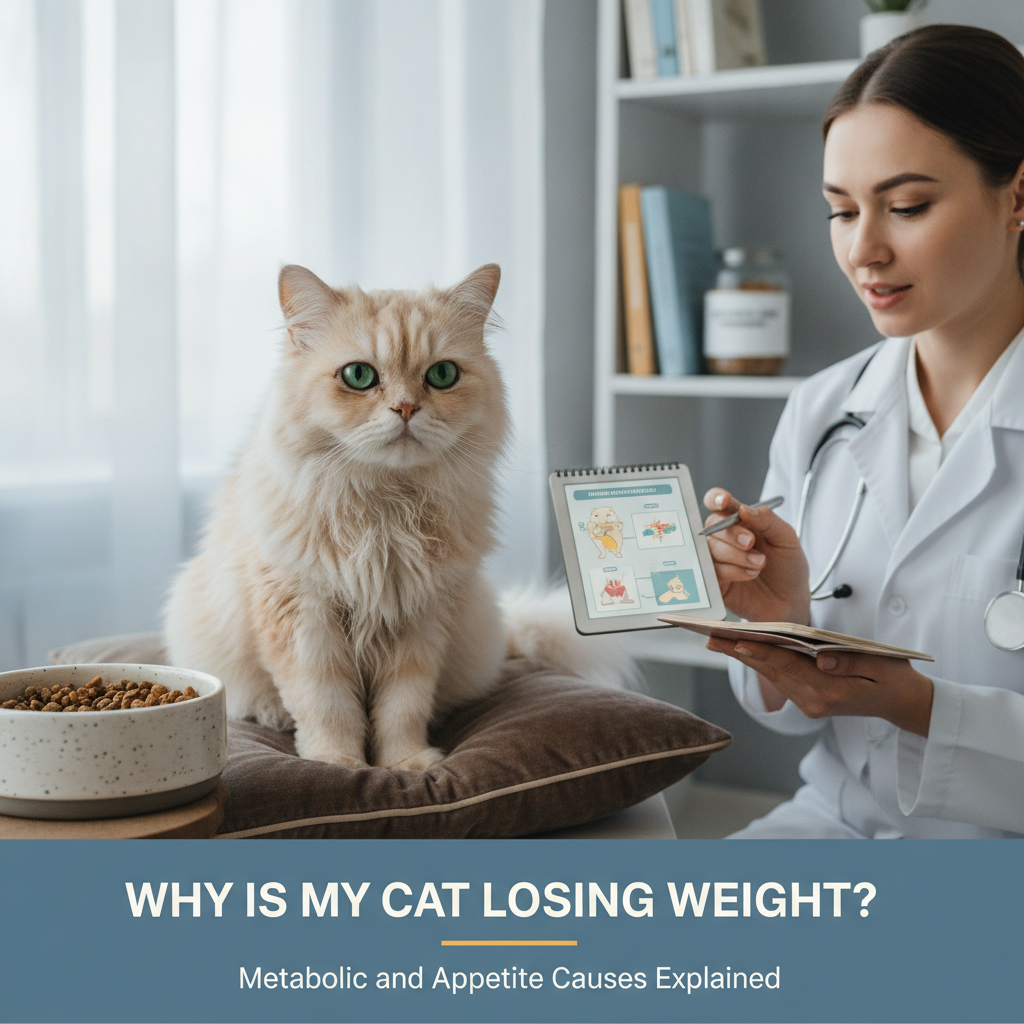
It can be very concerning to notice your cat losing weight, especially if their eating habits seem normal or only slightly changed. When a cat drops pounds, it’s often a sign that their body is either burning more calories than it consumes, not absorbing nutrients properly, or simply not taking in enough food. Understanding these underlying metabolic and appetite-related causes is the first step in helping your feline friend get back to a healthy weight and condition. Professional veterinary guidance is almost always necessary to determine the exact cause.
Veterinary reference: The Merck Veterinary Manual notes that unexplained weight loss can occur with digestive or metabolic disease and may require blood, urine, fecal, thyroid, and imaging tests. Weight loss despite a strong appetite is also a recognized sign of feline hyperthyroidism.
Table of Contents
Key Takeaways
- Noticing Weight Loss: Pay close attention to subtle changes in your cat’s body condition, even if they’re eating normally.
- Metabolic Causes: Conditions like hyperthyroidism and diabetes can cause rapid calorie burning, leading to weight loss despite a good appetite.
- Appetite & Absorption Issues: Dental problems, nausea, stress, or intestinal diseases can prevent cats from eating enough or absorbing nutrients.
- Vet Visit is Key: Any unexplained weight loss warrants a prompt visit to your veterinarian for diagnosis and a treatment plan.
Understanding Feline Weight Loss
Pinpointing why your cat is losing weight can be tricky, as the reasons vary widely. Sometimes, it’s a gradual change that can be mistaken for normal aging, while other times, the weight loss is sudden and alarming. Knowing your cat’s typical body condition score is crucial; this involves feeling their ribs, spine, and hips to gauge their fat and muscle coverage.
Monitoring your cat’s daily habits at home provides invaluable clues for your veterinarian. Observe their energy levels, water intake, litter box routine, and any changes in how they interact with you or their environment. These details, combined with a vet exam, help paint a full picture.
Metabolic Conditions That Accelerate Calorie Burn
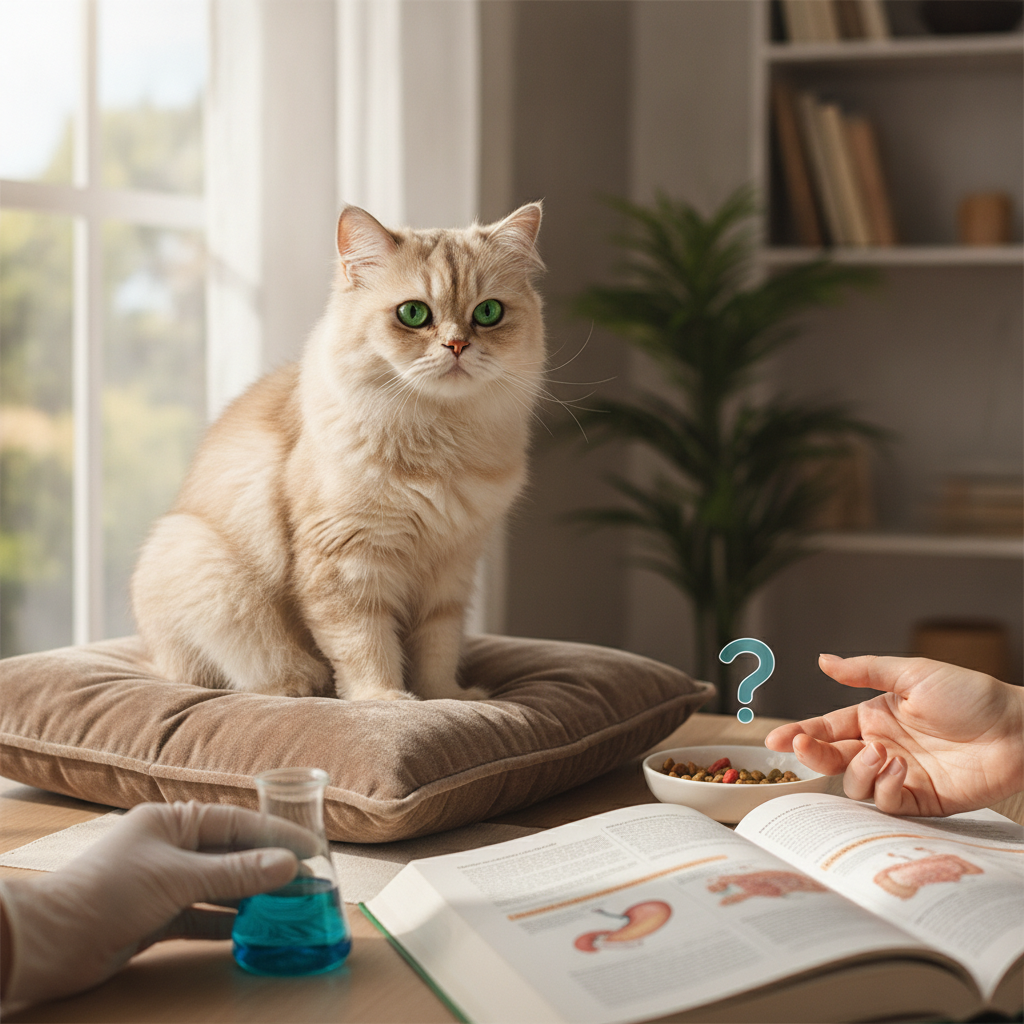
Some of the most common reasons for a cat to lose weight involve metabolic conditions that cause their body to burn calories at an accelerated rate, even if they’re eating the same amount or more food.
Hyperthyroidism: High Appetite, Rapid Weight Loss
Hyperthyroidism is a prevalent condition in older cats, where their thyroid gland produces too much thyroid hormone. This hormone acts like an accelerator for the entire body’s metabolism. Cats with hyperthyroidism often eat voraciously, sometimes even more than usual, but still lose weight rapidly. Other common signs include increased thirst, frequent urination, restlessness, and a poor coat condition.
Diabetes Mellitus: Improper Glucose Utilization
Just like in humans, cats can develop diabetes, which affects how their body processes sugar (glucose). In diabetic cats, their cells can’t properly use glucose for energy, leading the body to break down fat and muscle for fuel instead. This results in weight loss despite a good, or even increased, appetite. You might also notice increased thirst, more frequent urination, and lethargy.
Other Systemic Conditions Affecting Feline Metabolism
While less common, other systemic illnesses can also disrupt a cat’s metabolism and lead to weight loss. These might include certain types of cancer, which can consume a significant amount of the body’s energy, or other endocrine disorders. These conditions often present with a variety of other symptoms that your vet will investigate.
Appetite and Intake Changes
Sometimes, the explanation for weight loss is more straightforward: your cat simply isn’t consuming enough calories. This can happen for several reasons, from physical discomfort to emotional stress.
Dental Disease, Sore Gums, and Mouth Pain
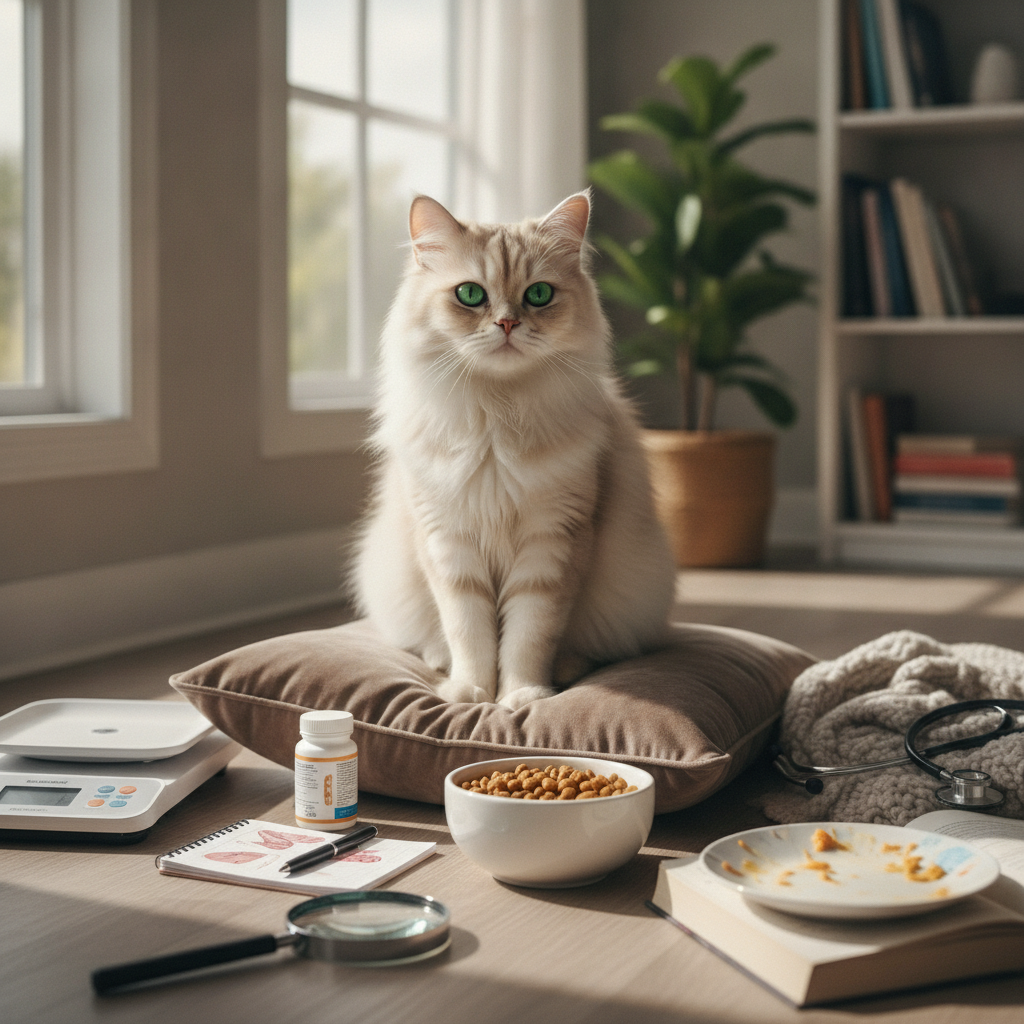
Oral pain is a common and often overlooked cause of decreased food intake. Cats are masters at hiding discomfort, but if they have a painful tooth, sore gums, or an injury in their mouth, eating can become very difficult. You might notice them dropping food, chewing on one side, or showing reluctance to eat hard kibble. Untreated dental disease can lead to significant weight loss over time.
Nausea or Gastrointestinal Upset
Any condition that causes a cat to feel nauseous or have an upset stomach can lead to a voluntary refusal to eat. This could be due to a temporary digestive issue, a hairball obstruction, kidney disease, pancreatitis, or other internal problems. If your cat is refusing food, vomiting, or showing signs of abdominal discomfort, it’s a clear signal something is wrong.
Environmental Stress or Changes in Household Routine
Cats are creatures of habit and can be sensitive to changes in their environment. Stress from a new pet, a move, construction noise, or even changes in your daily routine can affect their appetite. A stressed cat might eat less, hide more, or show other behavioral changes that can eventually lead to weight loss.
Nutrient Absorption and Internal Health
In some cases, a cat might be eating a normal amount of food, but their body isn’t effectively absorbing the necessary nutrients. This means even if the food is going in, the beneficial calories and vitamins aren’t making it to their cells.
Inflammatory Bowel Disease (IBD) and Nutrient Malabsorption
Inflammatory Bowel Disease (IBD) is a chronic condition where inflammation in the digestive tract impairs the gut’s ability to digest food and absorb nutrients. Cats with IBD may eat well but continue to lose weight, sometimes accompanied by vomiting or chronic diarrhea. Diagnosing IBD often requires a careful process of elimination and specific tests.
Kidney Disease Impacts on Appetite and Muscle Mass
Chronic Kidney Disease (CKD) is common in older cats. As the kidneys’ function declines, toxins can build up in the bloodstream, leading to nausea and a decreased appetite. CKD can also cause muscle wasting, further contributing to weight loss. Increased thirst and urination are classic signs of kidney issues.
Age-Related Changes in Digestive Efficiency for Senior Cats
As cats age, their digestive system can become less efficient at processing food and absorbing nutrients. Senior cats may require diets tailored to their changing needs, and even with a good appetite, they might struggle to maintain weight if their body isn’t getting everything it needs from their food. This is why specialized senior cat food formulas are often recommended.
What to Observe and Share With Your Vet
When you notice your cat losing weight, gathering information at home is incredibly helpful for your veterinarian. A detailed history can significantly aid in diagnosis.
- Litter Box Habits: Note any changes in frequency, volume, or consistency of urination and defecation. Is there more urine? Is the stool looser or harder?
- Water Intake: Is your cat drinking more or less water than usual? Keep track of how often you refill their bowl.
- Energy Levels: Has your cat become more lethargic, sleeping more, or less interested in play? Or are they unusually restless and active?
- Food Consumption: Try to measure or estimate how much food your cat is truly eating daily. If you have multiple cats, consider feeding them separately to monitor individual intake.
- Timeline: When did you first notice the weight loss? Was it sudden or gradual? Have there been any other changes in your household or your cat’s behavior around that time?
These observations, combined with a thorough physical examination and diagnostic tests from your vet, will help identify the underlying cause of your cat’s weight loss.
When Weight Loss Is a Veterinary Emergency
While any unexplained weight loss warrants a vet visit, certain accompanying signs mean you should seek immediate professional medical attention for your cat.
- Complete Refusal to Eat or Drink: If your cat has stopped eating or drinking for more than 24 hours, this is a serious concern that requires urgent veterinary care. Dehydration and malnutrition can set in quickly.
- Accompanying Signs of Severe Illness: Look for severe lethargy (unresponsiveness), persistent vomiting, diarrhea, difficulty breathing, or sudden collapse. These are red flags indicating an acute and potentially life-threatening condition.
- Rapid, Visible Muscle Wasting: If you can quickly see or feel significant muscle loss along their spine, hips, or shoulders, it suggests a severe underlying issue that needs prompt investigation.
Do not wait for these severe signs to worsen. Prompt action can make a critical difference in your cat’s prognosis and recovery.
Frequently Asked Questions About Feline Weight Loss
How much weight loss in a cat is considered dangerous?
Any unintentional weight loss in a cat, regardless of the amount, is a cause for concern and warrants veterinary attention. Even a loss of just a few ounces can be significant for a small animal. A weight loss of 10% or more of their ideal body weight is generally considered medically significant and indicates a need for thorough investigation.
Why is my senior cat losing weight even though they act fine?
Senior cats often hide signs of illness well, making it seem like they’re “fine” even when they’re not. As discussed, conditions like hyperthyroidism, kidney disease, dental pain, or age-related digestive efficiency issues are common in older cats and can cause weight loss despite a seemingly normal demeanor. Regular veterinary check-ups, even if your senior cat appears healthy, are crucial for early detection.
Can a change in cat food cause sudden weight loss?
Yes, a sudden change in cat food can potentially lead to weight loss, though usually not drastically. Some cats are very particular and may refuse to eat a new food, leading to decreased calorie intake. Others might experience temporary gastrointestinal upset (like diarrhea) from the change, which can affect nutrient absorption. Always transition new foods gradually over several days to a week to minimize these risks.
How can I tell if my cat is losing muscle or just fat?
When a cat loses weight, it’s often a combination of both fat and muscle. To distinguish, gently feel along your cat’s spine, ribs, and hips. If you can easily feel prominent bony structures without much padding, they’ve likely lost fat. If you also notice the muscles along their back and hind legs feel thinner or softer, it indicates muscle wasting. Muscle loss is often a more serious sign of underlying chronic disease and should be discussed with your vet immediately.
Observing your cat for signs of weight loss and understanding the potential reasons is a vital part of responsible pet ownership. While this article explains many common causes, remember that only a veterinarian can accurately diagnose your cat’s condition and provide a tailored treatment plan. Don’t hesitate to reach out to your vet if you have any concerns about your cat’s weight or overall health.