If your cat is sneezing a lot, it’s natural to feel concerned. While an occasional sneeze is usually harmless, frequent or persistent sneezing often signals an underlying issue that needs attention. Common culprits range from simple environmental irritants like dust or strong scents to more significant health concerns such as upper respiratory infections. By understanding these common causes and recognizing key symptoms, you’ll know when to monitor your feline friend at home and when it’s time to reach out to your veterinarian for guidance.
Veterinary reference: The Cornell Feline Health Center lists sneezing, eye or nasal discharge, lethargy, and reduced appetite among common signs of feline respiratory infection; breathing difficulty needs urgent veterinary attention.
Table of Contents
Key Takeaways
- Occasional sneezes are normal, but frequent or persistent sneezing suggests an underlying cause.
- Environmental factors like dust, strong odors, and allergens are common triggers.
- Upper respiratory infections (URIs) are a frequent medical cause, often viral.
- Watch for additional symptoms like nasal discharge, lethargy, or changes in appetite.
- Contact your vet if sneezing is persistent, severe, or accompanied by red-flag symptoms like difficulty breathing.
Is Occasional Sneezing Normal for Cats?
Just like humans, cats sneeze sometimes. A single sneeze or a brief flurry of sneezes can simply be their way of clearing dust, a stray hair, or a tickle from their nasal passages. This is a normal, reflexive action and usually nothing to worry about.
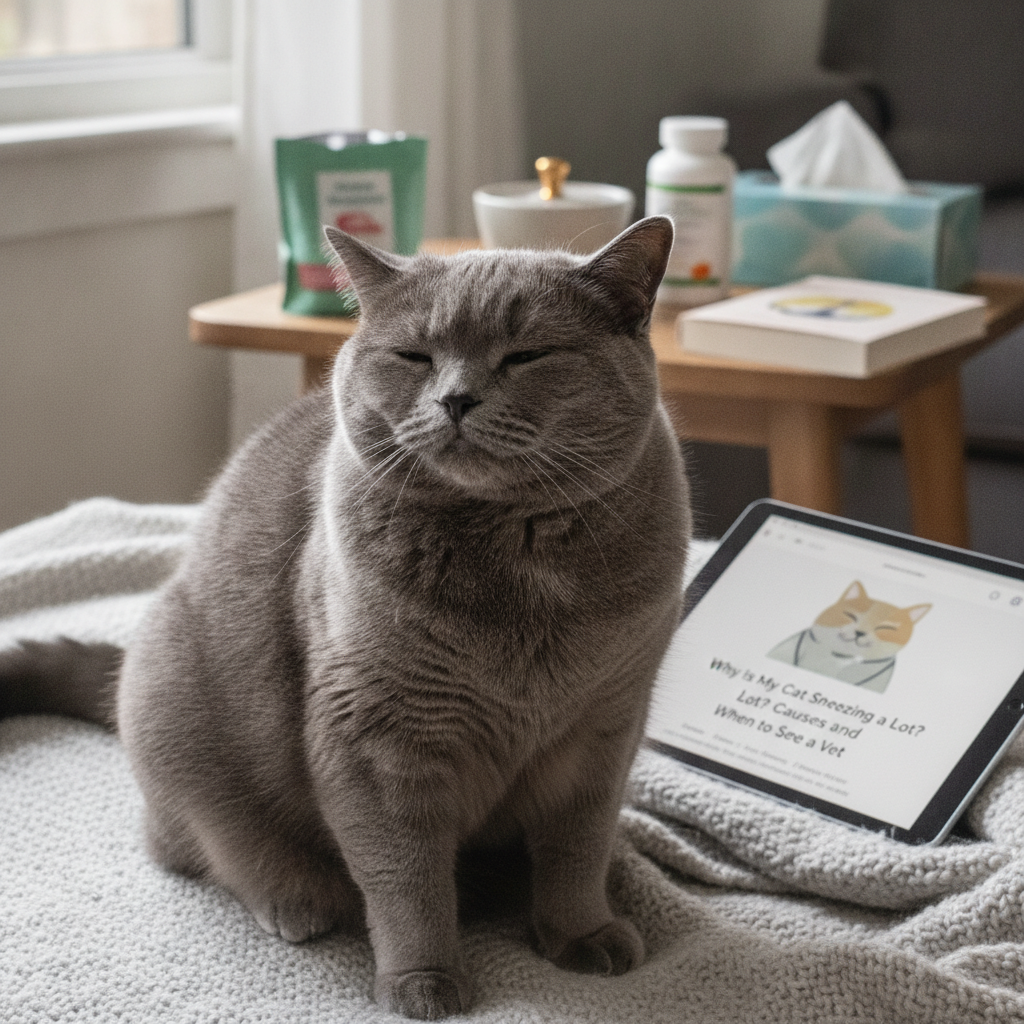
However, what isn’t typical is constant, repeated sneezing throughout the day, or sneezing fits that are violent and intense. If you notice your cat sneezing multiple times a day, every day, or if the sneezing seems to be worsening, it’s a sign that there might be something more going on than just a dust bunny.
Common Environmental Irritants That Cause Sneezing
Before considering medical causes, it’s helpful to look around your home for potential irritants. Your cat’s sensitive nose can react to many everyday substances you might not even notice.
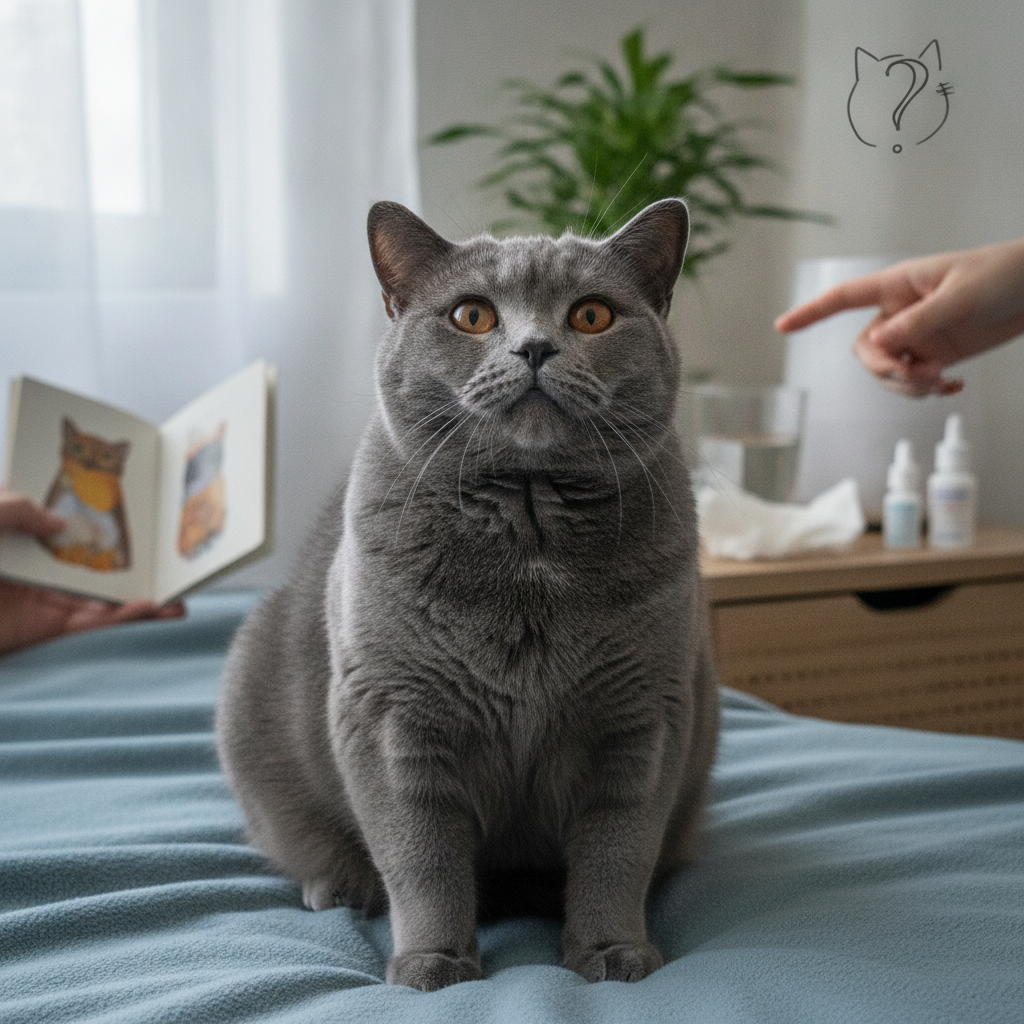
- Dust and Aerosols: Household cleaning products, especially those with strong scents, can trigger sneezing. Even sweeping or vacuuming can kick up dust that irritates your cat’s nasal passages. Pay attention to your cat’s litter as well; some dusty cat litter brands can be a significant irritant.
- Strong Odors: Perfumes, air fresheners, essential oil diffusers, and cigarette smoke are all common culprits. Cats have a much more developed sense of smell than we do, and what might seem pleasant to you can be overpowering and irritating to them.
- Allergens: Just like people, cats can experience seasonal allergies. Pollen, mold spores, and even house dust mites can lead to allergic reactions that include sneezing. If your cat’s sneezing seems to coincide with certain seasons or changes in your home environment, allergies could be a factor.
Upper Respiratory Infections and Health Causes
When environmental irritants aren’t the answer, a health issue is often the cause of persistent feline sneezing. Upper respiratory infections (URIs) are incredibly common in cats, particularly in multi-cat households or those that have been stressed.
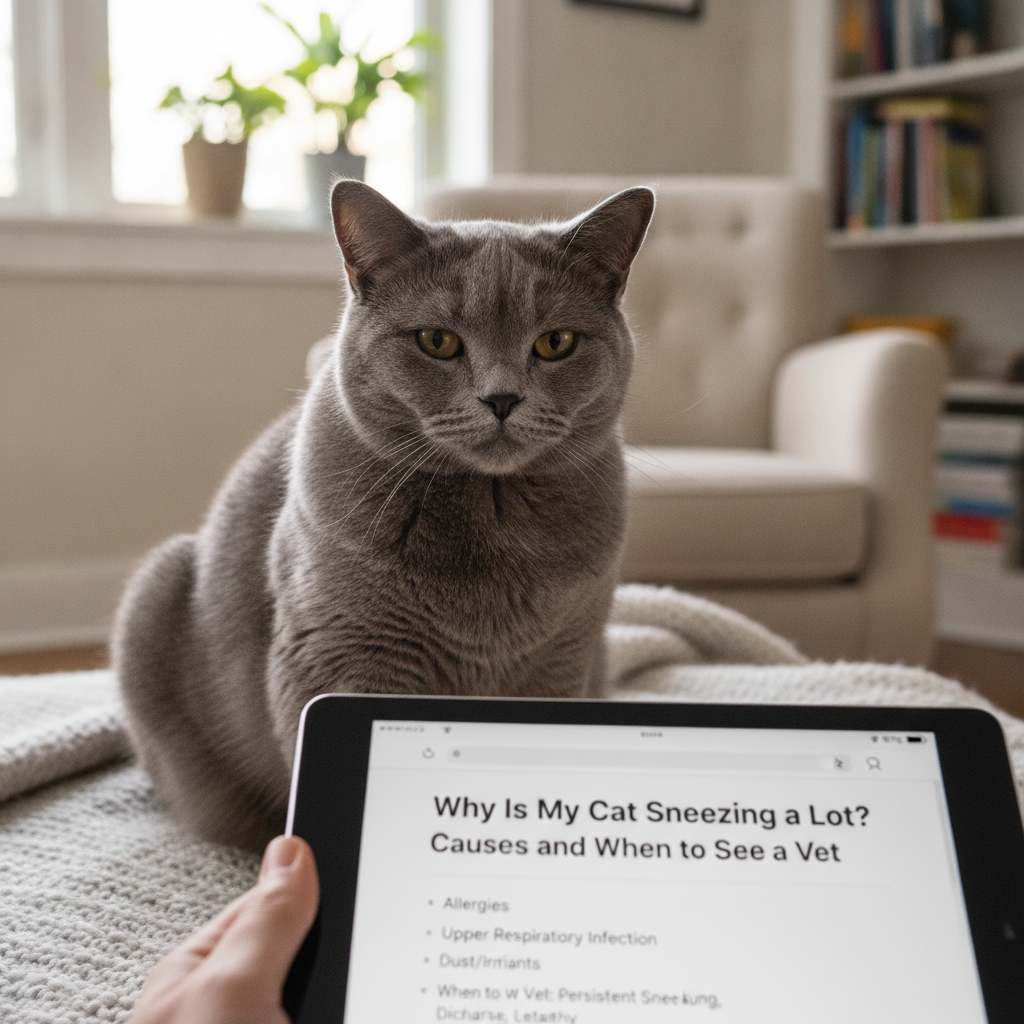
Many URIs are caused by viral agents. The two most common are feline herpesvirus and calicivirus, both of which can lead to frequent sneezing, watery eyes, and a runny nose. These viruses can lay dormant and flare up during times of stress or weakened immunity.
Beyond URIs, other potential medical factors could be at play. Sometimes, dental disease, especially problems with the roots of upper teeth, can cause inflammation and discharge that manifests as sneezing. Less commonly, a foreign object, like a blade of grass, could become trapped in the nasal cavity, leading to sudden and severe sneezing as your cat tries to dislodge it.
Checklist: Other Symptoms to Watch For
To help your veterinarian understand what might be happening, observe your cat closely for any additional symptoms. This information is crucial for an accurate diagnosis.
- Nasal or Ocular Discharge: Note the color and consistency. Is it clear and watery, yellow, green, or even bloody? Clear discharge might suggest allergies or a mild viral infection, while colored discharge often indicates a bacterial component or more severe infection.
- Breathing Observations: Listen carefully. Is your cat wheezing, breathing noisily, or showing any signs of labored breathing? Watch for fast breathing or open-mouth breathing, which are serious signs.
- Energy Levels and Appetite: Has your cat’s behavior changed? Is your cat eating and drinking normally? A decreased appetite, refusal to drink, or marked lethargy can indicate a more serious illness that requires prompt veterinary attention.
- Secondary Signs: Look for other symptoms like watery or squinting eyes, coughing, difficulty swallowing, or a generally duller demeanor. Any combination of these symptoms with sneezing should raise a flag.
Red Flags: When to Contact Your Veterinarian
While some sneezing can resolve on its own, certain symptoms warrant a call to your vet without delay. Trust your instincts as a pet owner; if something feels off, it’s always best to seek professional advice.
- Persistent or Worsening Sneezing: If the sneezing lasts for more than a couple of days, doesn’t improve, or seems to get worse over time, it’s time for a vet visit.
- Thick, Colored Discharge: Any yellow, green, or bloody nasal or eye discharge, especially if it seems to be affecting your cat’s breathing or comfort, needs immediate attention.
- Changes in Appetite or Energy: If your cat stops eating completely, refuses to drink water, or becomes noticeably lethargic and withdrawn, contact your vet right away. These are signs of general illness that can quickly become serious.
- Difficulty Breathing: Any sign of labored breathing, open-mouth breathing, gasping, or if your cat’s gums appear blue or purple, requires emergency veterinary care. Do not wait for these symptoms to worsen.
Frequently Asked Questions About Feline Sneezing
Here are answers to some common questions pet owners have about their sneezing cats.
Can indoor-only cats catch upper respiratory infections?
Yes, absolutely. While outdoor cats might have more exposure, indoor cats can still contract URIs. Viruses can be brought into the home on clothing, shoes, or even through shared air with other pets in the household. Stress can also trigger a flare-up of a dormant virus, even without new exposure.
Should I use a humidifier if my cat is sneezing?
A humidifier can sometimes help if your cat’s sneezing is accompanied by dry nasal passages or congestion, as the increased moisture in the air can soothe irritated membranes. Ensure the humidifier is kept clean to prevent mold growth and use only plain water – no essential oils or scented additives. Always consult your vet first, especially if you suspect an infection.
How can I tell if my cat’s sneeze is allergies or an infection?
Distinguishing between allergies and an infection can be tricky without a vet’s diagnosis. Generally, allergies tend to produce clear, watery nasal and eye discharge, and your cat’s overall energy and appetite may remain normal. Infections, especially bacterial ones, are more likely to cause thick, colored discharge (yellow or green), and your cat might show other signs of illness like lethargy, fever, or a decreased appetite. If you’re unsure, or if symptoms persist, a veterinary check-up is the best way to determine the cause.
Observing your cat carefully for any changes in their sneezing patterns and overall health is the best way to ensure their well-being. If you have any concerns at all, a quick call to your veterinarian can provide peace of mind and the best path forward for your beloved feline companion.