It can be worrying when your dog starts limping, and understanding why is your dog limping often comes down to observing their behavior carefully. Limping in dogs usually signals either a sudden injury—like a sprain or a paw pad cut—or it could be a sign of a more gradual, underlying joint issue, such as arthritis. By paying close attention to how and when the limp appears, and what other symptoms are present, you can gather crucial information to share with your veterinarian, helping them pinpoint the cause and get your furry friend back on all fours comfortably.
Veterinary reference: The Merck Veterinary Manual notes that limping is a sign rather than a diagnosis and may involve pain, swelling, instability, or injury. Its veterinary timing guide recommends assessment when lameness persists or urgent signs appear.
Key Takeaways:
- Sudden limping often points to an acute injury, like a sprain or a physical trauma.
- Gradual onset limping, especially with stiffness, may indicate chronic joint conditions.
- Observe your dog’s gait, timing of the limp, and any visible signs to prepare for a vet visit.
- Always consult a veterinarian if limping is severe, persistent, or accompanied by other concerning symptoms.
Table of Contents
Immediate Observations: Assessing Your Dog’s Limp
When you first notice your dog limping, take a moment to observe them without immediately approaching. This gives you a natural snapshot of their discomfort. Is your dog limping on front leg, or a back leg? Note whether they are refusing to put any weight on the affected limb at all, or if they are simply favoring it, perhaps touching it lightly to the ground.
Consider the timing: did the limp appear suddenly after a burst of energy, a fall, or a walk outside? Or has it developed gradually over days or weeks, perhaps worsening after a long rest? Think about recent activities or changes in their environment, such as slippery floors, vigorous play, or unusual outdoor excursions that might explain a sudden dog lameness.
Signs of a Sudden Injury
A sudden injury often manifests quite dramatically. Your dog might be fine one moment and then suddenly unable to put weight on a leg after active play, a quick turn, or a misstep during a walk. This immediate onset is a key indicator.
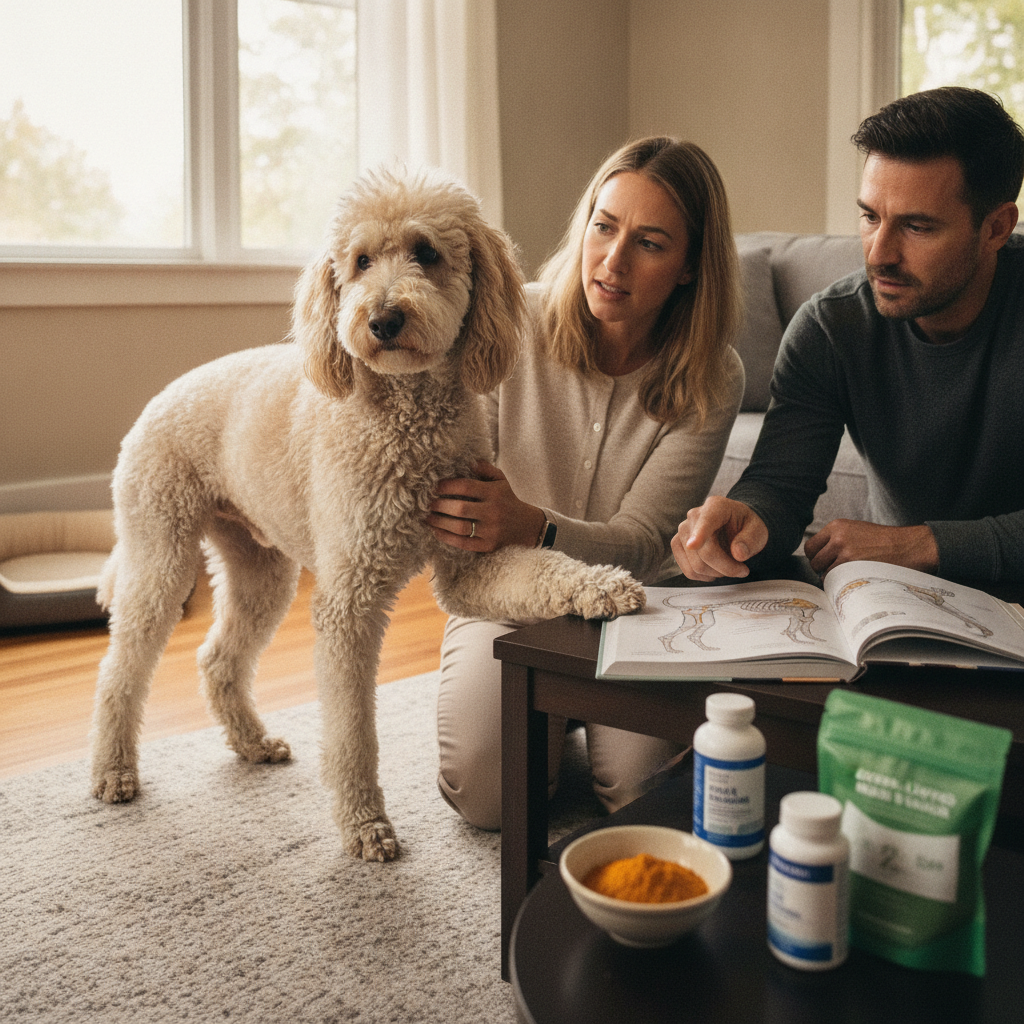
Look for visible signs like swelling around a joint, a cut on a paw pad, a torn nail, or foreign objects lodged between their toes. Your dog might also show sensitivity to touch around a specific paw, wrist, or knee, pulling away or yelping. Occasionally, you might hear a small whimper or notice a reluctance to stand up immediately after resting, especially if they’ve strained a ligament or muscle.
Signs of Underlying Joint Issues
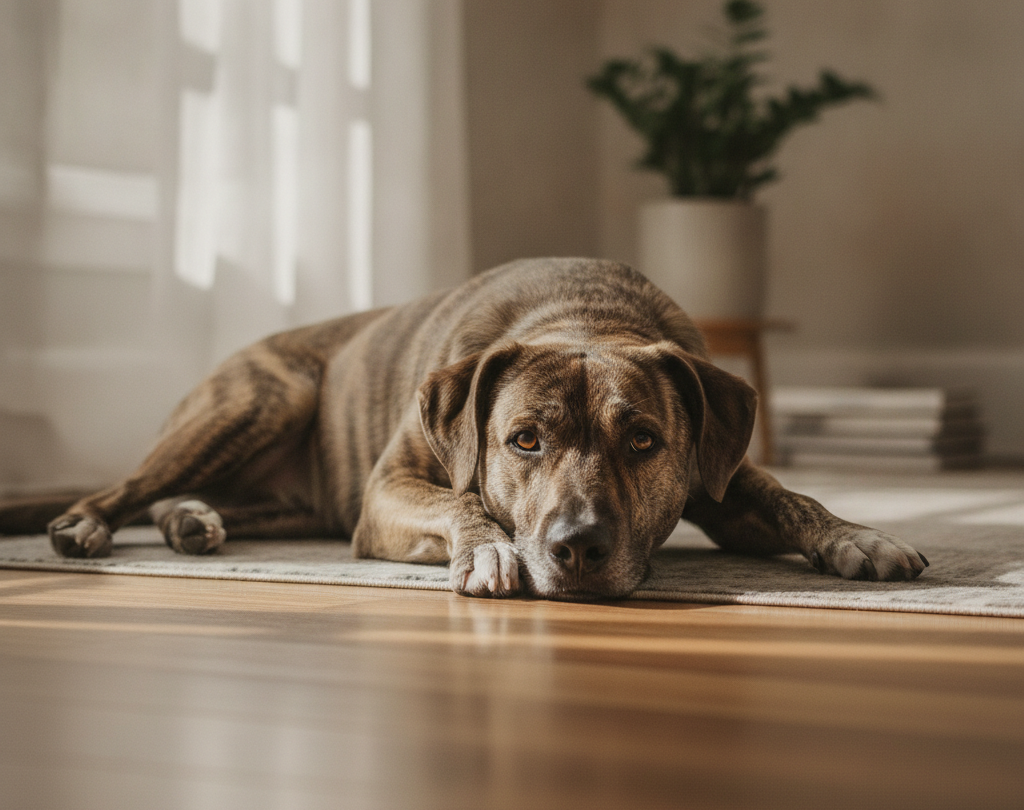
Unlike sudden injuries, underlying joint issues, such as canine joint stiffness or early arthritis, typically have a more gradual onset. You might first notice a subtle change in your dog’s gait or activity level that worsens over weeks or months. Often, stiffness is most apparent after periods of rest, such as first thing in the morning or after a long nap.
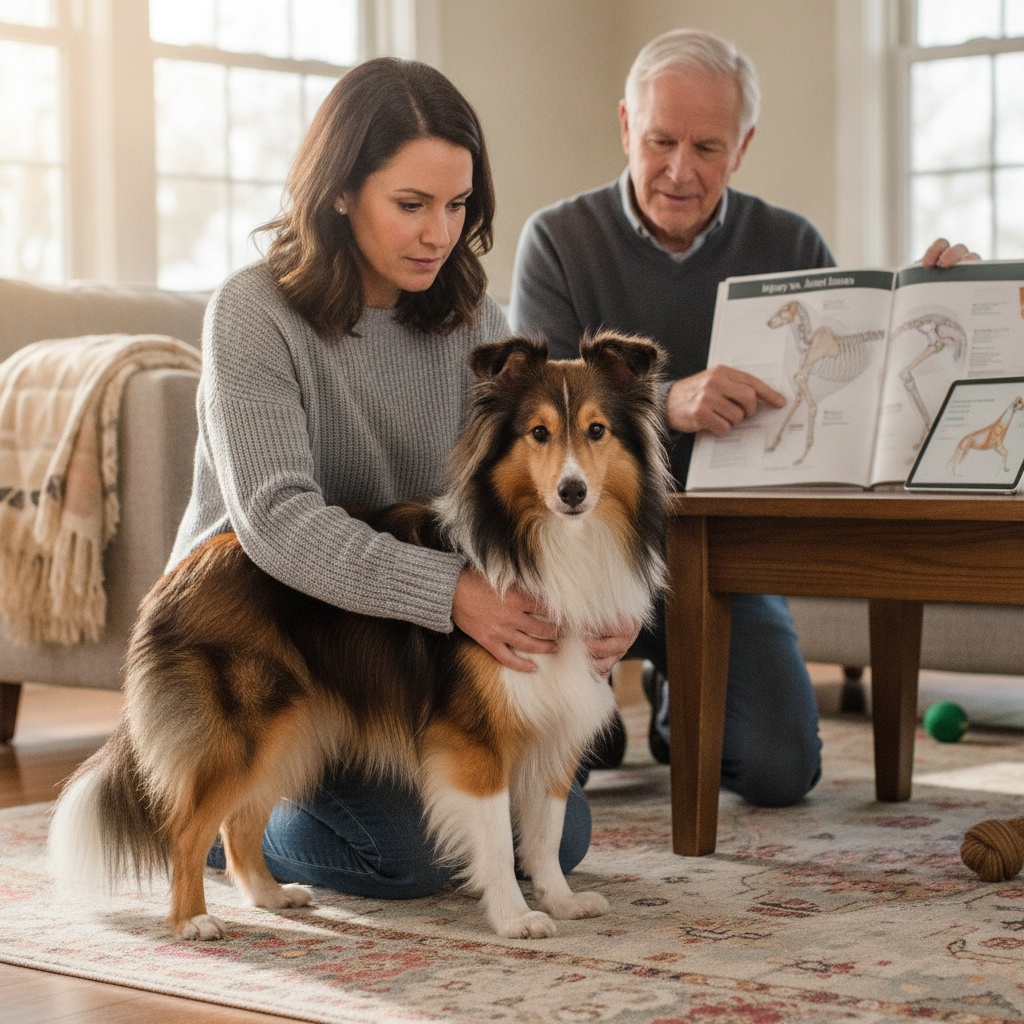
Dogs with joint problems may show reluctance to jump onto furniture, climb stairs, or engage in their usual playtime activities. Their movements might seem stiff or rigid, and they might struggle to rise from a lying position. These changes are usually progressive, meaning they tend to get worse over time without appropriate management.
Safe At-Home Comfort Measures
While you’re observing your dog and waiting for a veterinary appointment, there are several things you can do to keep them comfortable and prevent further injury. Create a quiet, confined resting space that is easily accessible and has supportive bedding. This prevents them from overexerting the injured or stiff limb.
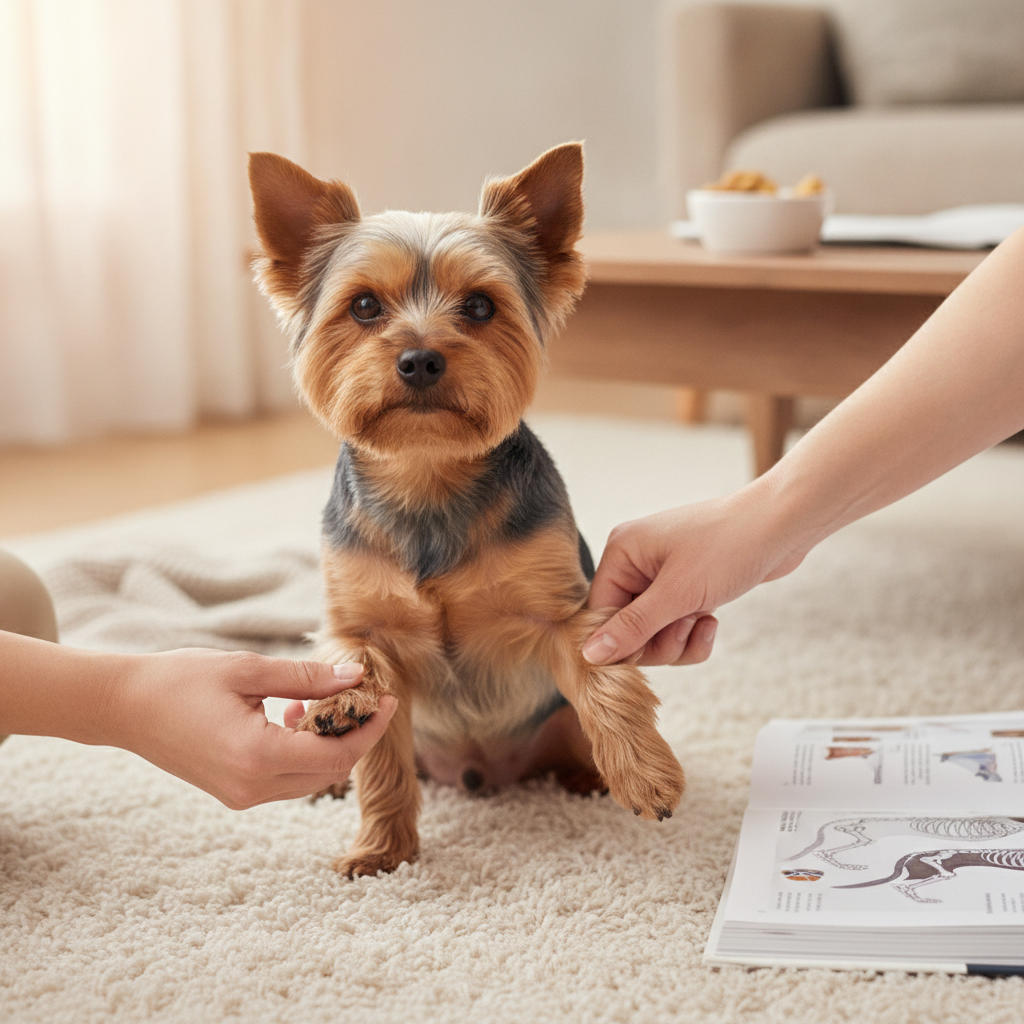
It’s important to restrict running, jumping, and rough play temporarily. Gentle leash walks for bathroom breaks are fine, but keep them short and supervised. Crucially, never give your dog human pain medications, as many are toxic and can cause severe side effects. Always keep fresh water and meals easily accessible so your dog doesn’t have to move much to eat or drink.
When to Contact a Veterinarian
Prompt veterinary attention is critical for certain situations to ensure your dog receives the best care and to prevent conditions from worsening. You should contact a veterinarian immediately if:
- Your dog refuses to put any weight on the leg at all.
- They show signs of severe pain, such as constant panting, restlessness, or unusual aggression when touched.
- There are visible open wounds, profuse bleeding, or an obvious deformity of the limb.
- The limp persists for more than 24 hours without any improvement.
- You notice significant swelling or heat visibly noticeable around a joint or paw.
- Your dog’s condition seems to be worsening over time.
Even if the limp seems minor, it’s always wise to discuss persistent or unusual symptoms with a qualified veterinarian to ensure nothing serious is overlooked.
Frequently Asked Questions
Can a dog limp simply from sleeping in an awkward position?
Yes, sometimes a dog can limp temporarily after sleeping in an awkward position, similar to how humans might wake up with a stiff neck. This kind of limp usually resolves quickly, often within a few minutes to an hour, as they move around and stretch. If the limp persists beyond this short period, or if it’s accompanied by pain or other symptoms, it’s less likely to be just a “sleep-induced” issue.
Should I try to check my dog’s paw if they are limping?
You can gently attempt to check your dog’s paw for obvious issues like a thorn, cut, or torn nail, especially if they are usually calm and cooperative. However, proceed with caution. Some dogs, even the sweetest, can react with pain-induced nipping or biting if they are in discomfort. If your dog shows any sign of aggression, fear, or severe pain when you approach the leg, stop immediately and contact your veterinarian. Never force your dog if they are resistant or in pain.
How can I help my dog stay calm while resting with a limp?
Keeping your dog calm is essential for healing. Provide a comfortable, quiet, and secure space away from household bustle. Use calming verbal praise and gentle petting if they are receptive. You can offer safe, long-lasting chews or puzzle toys (if their pain doesn’t prevent them from engaging) to provide mental stimulation without physical exertion. Ensure their water bowl and food are easily accessible to minimize movement. Your calm presence can also be very reassuring to them.
Understanding why your dog is limping requires careful observation and a thoughtful approach. By distinguishing between the sudden onset of an injury and the gradual signs of joint issues, you can provide valuable information to your veterinarian. Always prioritize your dog’s comfort and safety, and don’t hesitate to seek professional veterinary advice when you’re concerned. They can accurately diagnose the problem and recommend the best course of treatment for your beloved companion.