When your dog suddenly exhibits aggressive behavior, it’s a deeply unsettling experience, and your concern is completely valid. This abrupt shift in temperament is rarely a random act; instead, it’s almost always a significant sign that something is amiss, whether physically or emotionally. Rather than seeing it as your dog being “bad,” view this new aggression as a crucial message that they are struggling with pain, fear, anxiety, or a change in their health. Understanding the potential underlying causes is the vital first step toward ensuring the safety of everyone in the household and getting your beloved pet the help they need.
Veterinary reference: The Merck Veterinary Manual explains that pain and other medical problems can contribute to aggression. Sudden behavior change warrants a veterinary check, and punishment-based methods can increase fear or risk.
Table of Contents
Key Takeaways
- Sudden aggression in dogs is usually a behavioral symptom stemming from an underlying physical or emotional issue.
- Prioritize safety immediately by giving your dog space and avoiding any punishment, which can worsen the situation.
- A thorough veterinary examination is the essential first step to rule out any medical problems as the cause.
Prioritizing Safety First
In the face of sudden aggression, your immediate priority must be safety for all family members, including other pets. It’s crucial to understand that your dog is likely feeling overwhelmed or distressed, and forcing interaction or using punishment can escalate their fear and reactivity.
Learn to recognize the subtle, early warning signs of stress that often precede an aggressive display. These can include lip-licking, yawning when not tired, “whale eye” (when the whites of their eyes are visible), a stiff body posture, averted gaze, or freezing in place. Observing these cues allows you to intervene before the situation escalates.
If your dog shows signs of aggression, calmly and quietly create a safe, separate space for them. This might be a kennel, a spare room, or another area where they can be alone, away from children, other pets, or anything that might be triggering them. Avoid shouting, making sudden movements, or using physical reprimands; these actions can heighten their fear and distrust, potentially leading to a more severe reaction.
Medical Causes and Pain-Induced Aggression
One of the most common and often overlooked reasons for sudden dog aggression is an underlying medical condition or pain. When a dog is in discomfort, their threshold for tolerance decreases significantly, and they may lash out as a defense mechanism.

Pain from conditions such as arthritis, dental disease, ear infections, or internal organ issues can make a dog snap unexpectedly when touched or approached. Even conditions like hip dysplasia or spinal problems can cause such discomfort that a dog may growl or bite simply to prevent further pain.
Neurological conditions, such as seizures or brain tumors, can also dramatically alter a dog’s temperament and cognitive function, leading to uncharacteristic aggression. Additionally, sensory impairments like vision loss or hearing loss can make a dog easily startled, prompting a reactive or fearful response when someone approaches them unexpectedly. Hormonal imbalances, like those seen in thyroid conditions, and cognitive dysfunction syndrome (a form of canine dementia) in older dogs can also significantly change a dog’s personality and increase irritability or anxiety.
Behavioral Triggers and Environmental Stress
Even without a direct medical cause, several behavioral and environmental factors can lead to sudden aggression in dogs. These situations often involve fear, anxiety, or the instinct to protect something valuable.
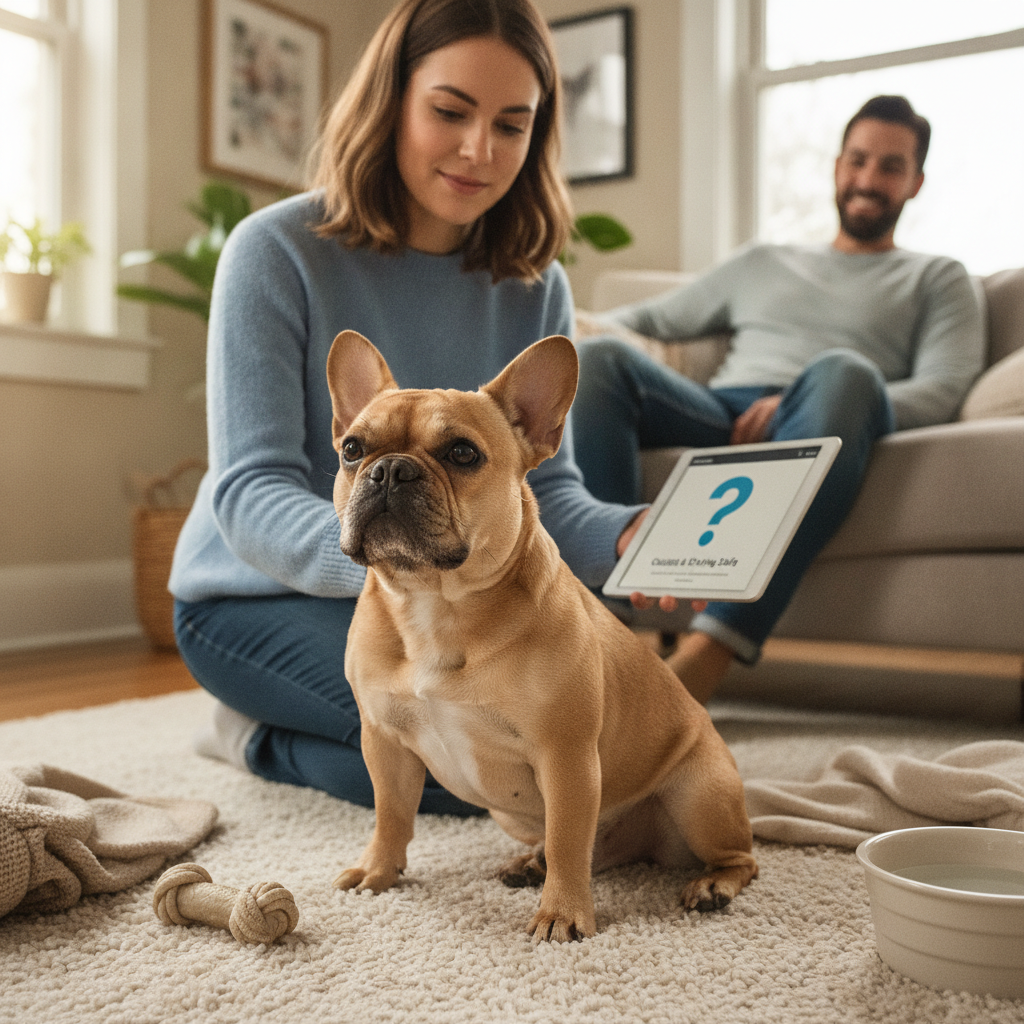
Fear or anxiety is a powerful driver of aggression. This can stem from recent environmental changes, such as a new home, a new family member, or a traumatic experience. Dogs who have had negative experiences with certain people, objects, or situations may suddenly react aggressively when confronted with similar triggers.
Resource guarding is another common behavioral issue where a dog becomes aggressive when someone approaches their food, toys, resting spots, or even a cherished person. While some level of guarding is natural, when it escalates to sudden aggression, it requires careful management. Finally, redirected aggression occurs when a dog becomes agitated by an outside stimulus they cannot reach (like another dog through a window) and then lashes out at a nearby person or animal who is accessible.
When to See a Veterinarian
Because sudden aggression can stem from a serious underlying health issue, contacting your veterinarian is the essential first step. This is not a behavior you should try to manage on your own without professional medical guidance.
Schedule a vet visit immediately if the aggression is entirely uncharacteristic for your dog, or if it is accompanied by other physical symptoms like lethargy, changes in appetite, limping, or excessive panting. Even without obvious physical symptoms, any sudden change in temperament warrants a check-up.
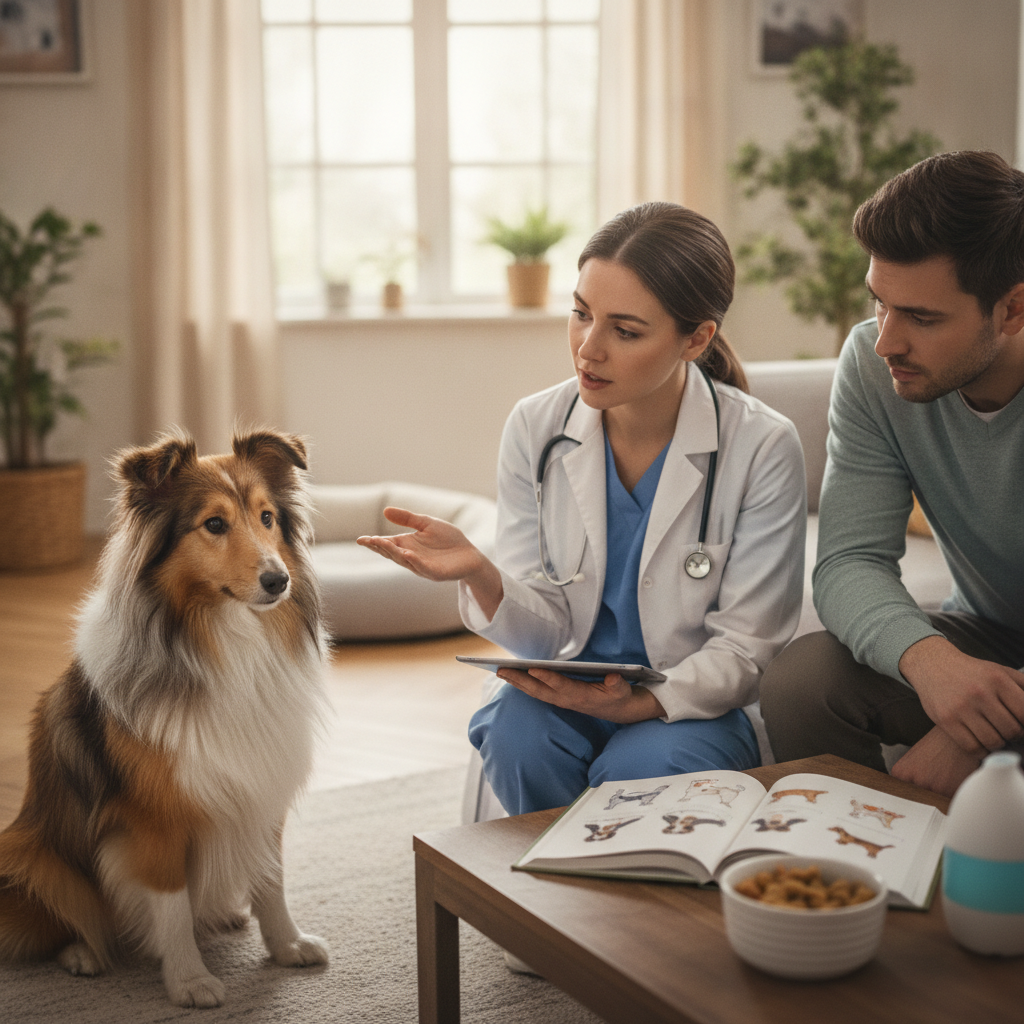
When you go to the vet, be prepared to provide as much detail as possible. This includes when the behavior started, how frequently it occurs, the specific situations or triggers that precede the aggression, and any other changes in your dog’s routine, diet, or overall health. This information will be invaluable to your vet as they work to pinpoint the cause. If medical causes are ruled out, your veterinarian may refer you to a certified veterinary behaviorist. These specialists have advanced training in diagnosing and treating behavioral issues and can create a comprehensive plan to help your dog.
Frequently Asked Questions
Could my dog’s sudden aggression be caused by aging?
Yes, absolutely. As dogs age, they can experience cognitive decline (similar to dementia), which can lead to confusion, increased anxiety, and irritability, making them more prone to sudden aggressive outbursts. Age-related changes in vision or hearing can also startle an older dog, prompting a defensive reaction. Additionally, many older dogs develop chronic pain from conditions like arthritis, which can make them lash out when touched or moved.
Should I punish my dog when they growl or snap?
No, punishing a dog for growling or snapping is highly counterproductive and potentially dangerous. Growling and snapping are warning signs that your dog is uncomfortable, fearful, or in pain. If you punish these warnings, you teach your dog to suppress them, meaning they might go straight to biting without any prior communication. Instead, acknowledge the warning, remove your dog from the situation, and seek professional help to address the underlying cause.
How can I tell if my dog is in pain?
Dogs are masters at hiding pain, so signs can be subtle. Look for changes in appetite, reluctance to move, limping, whining, excessive licking of a specific body part, panting more than usual, restlessness, difficulty getting comfortable, or guarding a particular area of their body. Any deviation from their normal behavior, including a sudden lack of interest in walks or playtime, could indicate discomfort.
What information should I track for the veterinarian?
To help your vet, keep a log of: the exact date the aggression started; how often it happens; the specific context (where, when, who was present, what was happening just before); any identifiable triggers; other symptoms (physical or behavioral); and any recent changes in their routine, diet, environment, or medication. Also note your dog’s reactions to different people or animals.