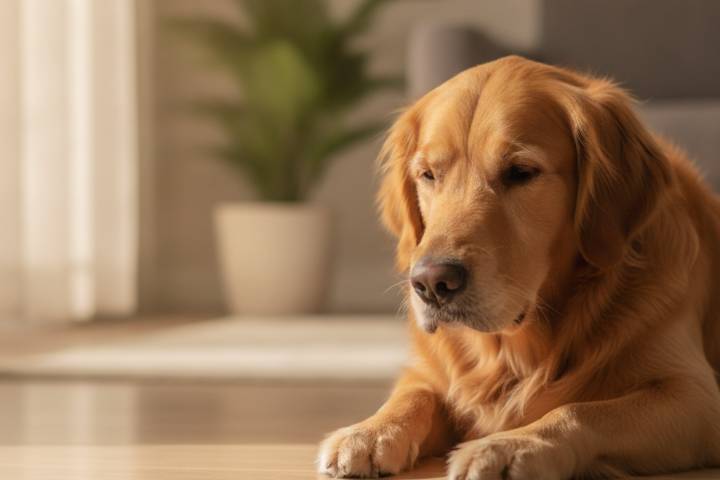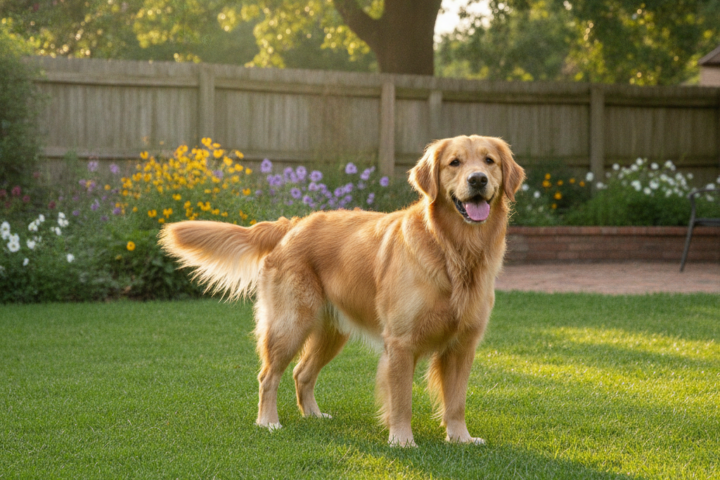
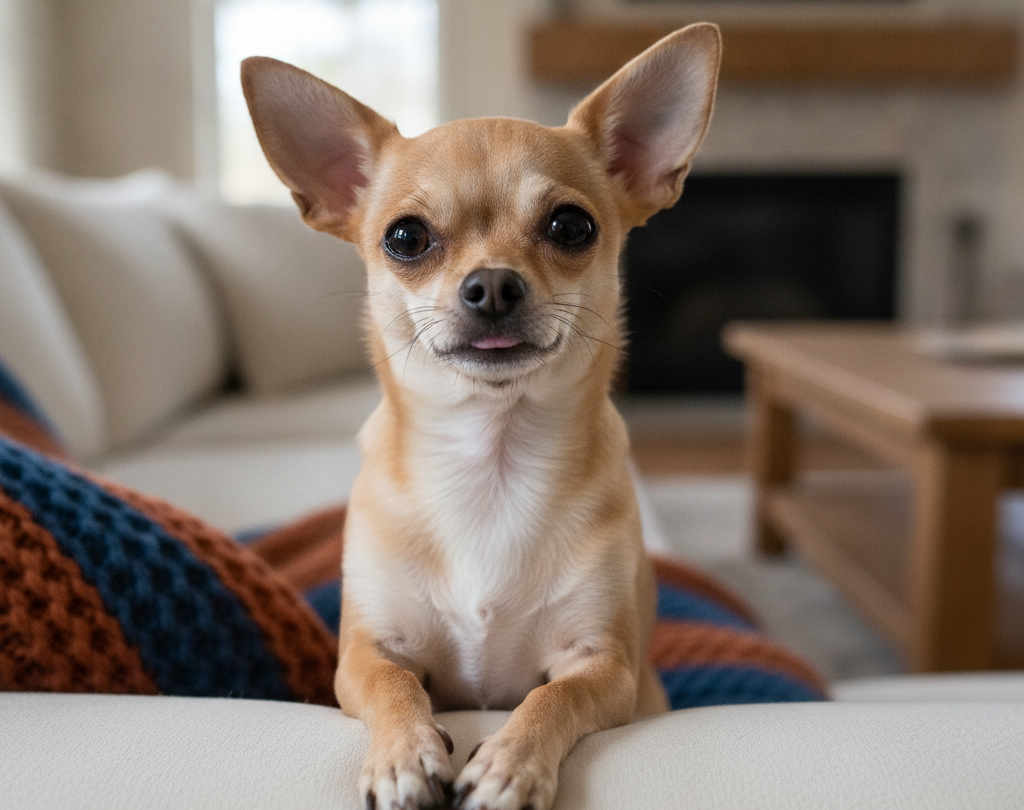
Determining how often you should walk your dog isn’t a one-size-fits-all answer, as every dog is an individual with unique needs. Generally, most adult dogs benefit from at least two walks a day, lasting 20-30 minutes each. However, factors like your dog’s age, breed, health, and energy level play a significant role in tailoring the ideal daily exercise routine. The goal is to provide enough physical and mental stimulation to keep them happy and healthy without overexerting them.
Daily walks are also valuable for bonding and observing behavior. If your pet stays unusually close throughout the day, learn why some dogs follow their owners everywhere, and round out the routine with simple preventive dental care.
Key Takeaways:
- Puppies: Need short, frequent potty breaks and play, not long walks.
- Adult Dogs: Exercise needs vary greatly by breed and energy level.
- Senior Dogs: Benefit from shorter, more frequent, gentle walks.
- Listen to Your Dog: Pay attention to their energy levels and behavior.
- Consult Your Vet: Always check with your veterinarian about exercise plans, especially for puppies, seniors, or dogs with health concerns.
Table of Contents
Understanding Your Dog’s Unique Exercise Needs
Just like people, dogs have different activity requirements. A high-energy Border Collie won’t be satisfied with the same amount of exercise as a laid-back Basset Hound. Their genetics, the original purpose of their breed, and even their individual personality all play a part.
Breeds originally developed for herding, hunting, or working tasks typically have a higher natural inclination for movement and stamina. Companion breeds might be content with less. It’s crucial to observe your own dog’s energy baseline – how they behave when well-exercised versus when they seem restless or bored. This personal baseline is your best guide.
Puppies and Young Dogs: Short, Frequent Outings
Puppies are full of energy, but their developing bones and growth plates are fragile. Overexertion can lead to long-term joint issues. Instead of long walks, focus on frequent, short excursions.
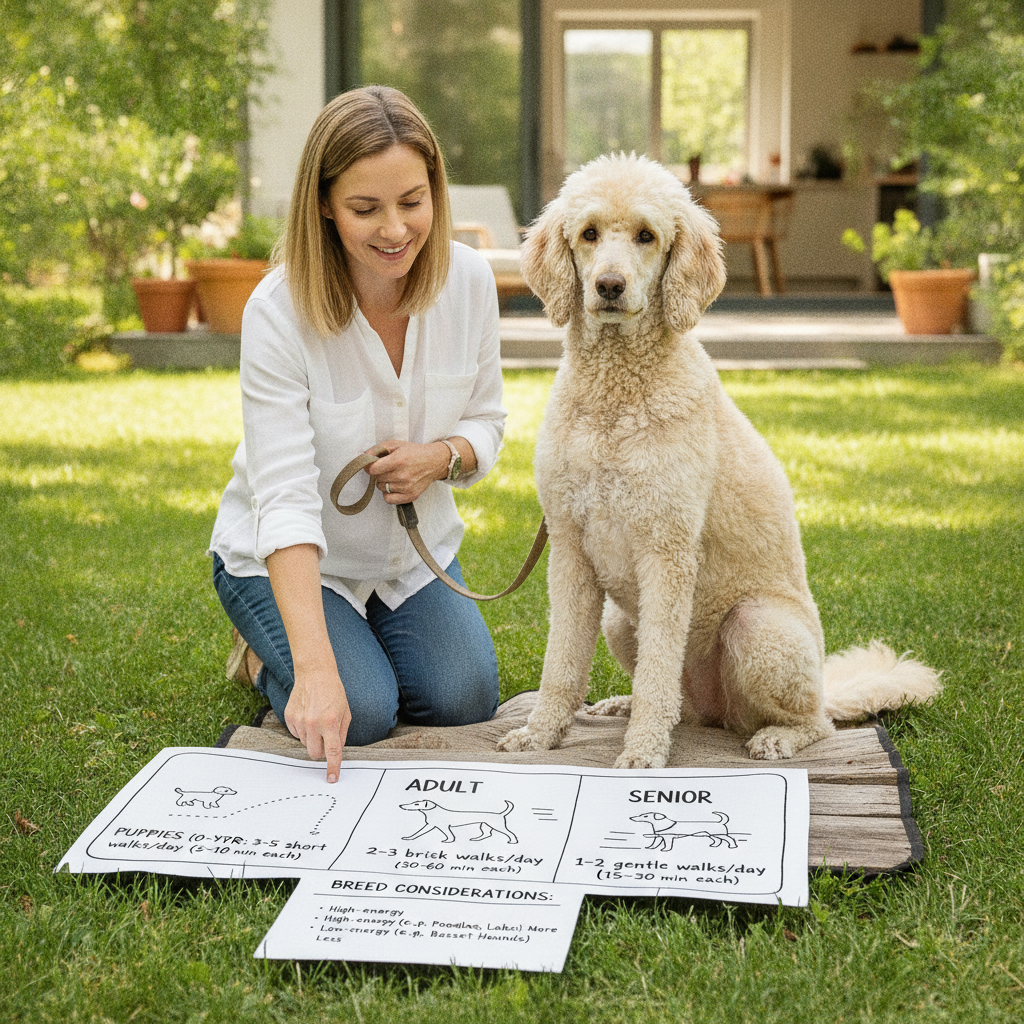
A common guideline is the “five-minute rule”: a puppy can handle about five minutes of structured walk time per month of age, twice a day. So, a three-month-old puppy might get two 15-minute walks. These outings are more for socialization and potty training than intense exercise. In addition to walks, incorporate short bursts of supervised play in a safe, enclosed area to meet their physical needs without stressing their growing joints. Mental stimulation, like puzzle toys or training sessions, is also vital for their development.
Adult Dogs: Matching Frequency to Breed Types
Once your dog reaches adulthood (typically around 1-2 years, depending on breed), their exercise needs stabilize. This is where breed type becomes a primary factor in determining how often you should walk your dog.

High-Energy Working and Herding Breeds
Breeds like Border Collies, Australian Shepherds, Weimaraners, and German Shepherds were bred for stamina and demanding tasks. They often require extensive daily movement to be truly content. This can mean two to three walks a day, each lasting 45-60 minutes or longer. Supplement these walks with vigorous play, running, or dog sports like agility to truly tire them out both physically and mentally. Without adequate exercise, these dogs may develop destructive behaviors or become restless.
Moderate-Energy Companion Dogs
Many popular companion breeds, such as Beagles, Boxers, Labrador Retrievers, and Golden Retrievers, fall into this category. They generally thrive on two daily walks, each lasting between 30-45 minutes. These walks provide a good balance of physical activity and sensory enrichment. Interactive play in the yard or at a dog park can also complement their walking routine and help them burn off excess energy.
Low-Energy or Brachycephalic Breeds
Breeds with lower energy levels or those with brachycephalic (flat) faces require a more gentle approach to exercise. Pugs, French Bulldogs, Basset Hounds, and Bulldogs fit this description. They often do well with two to three shorter walks per day, perhaps 15-20 minutes each. For brachycephalic breeds, special care must be taken in warm weather to prevent overheating, as their unique airway structure makes them more susceptible to respiratory distress. Focus on gentle strolls and mental enrichment indoors.
Senior Dogs: Quality Over Quantity
As dogs age, their exercise needs change significantly. What once was a brisk hike might now be too much. It’s important to adjust their routine to maintain their quality of life without causing discomfort or pain.
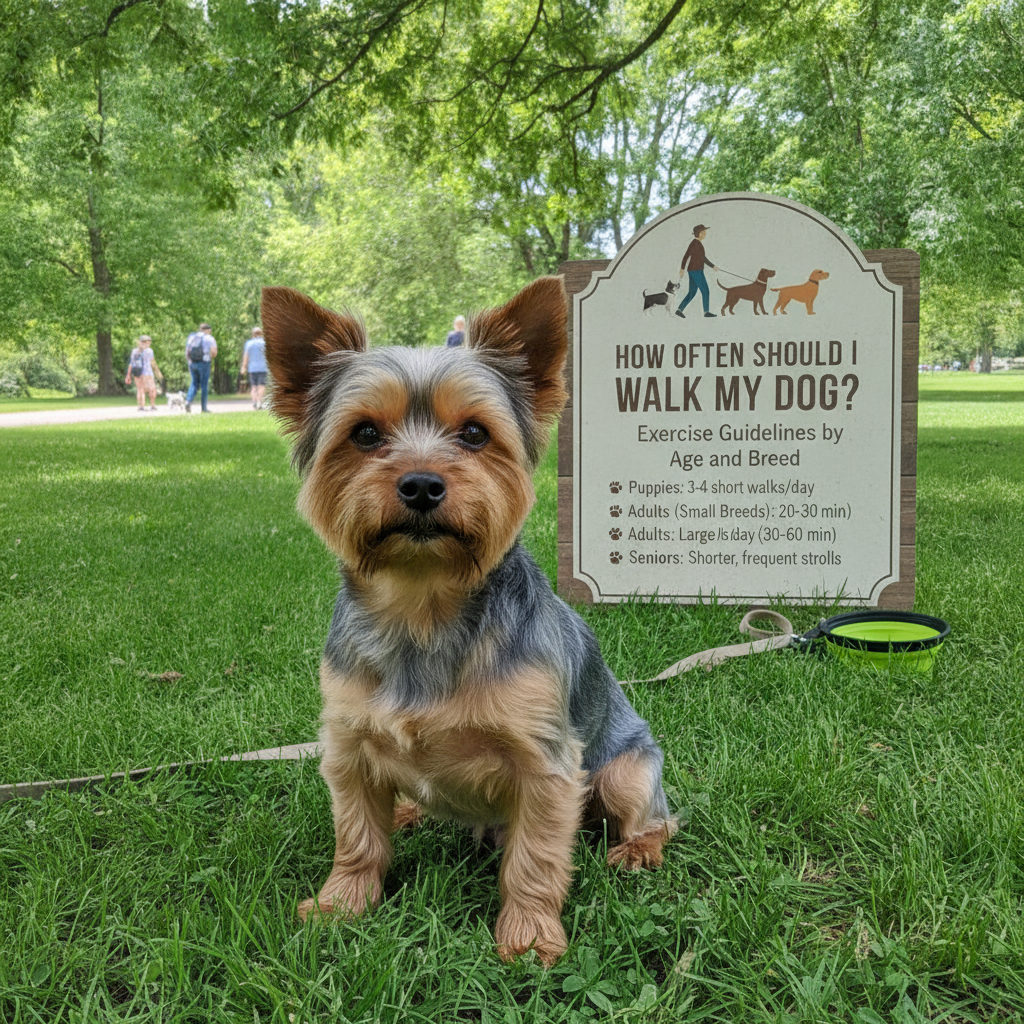
You may notice signs of aging like stiffness, slower pace, difficulty getting up, or less enthusiasm for walks. These could indicate arthritis or other joint issues. Instead of long, strenuous outings, senior dogs often benefit from shorter, more frequent walks – perhaps three to four walks a day, each 10-20 minutes long. These gentle strolls help maintain muscle mass, joint mobility, and bowel regularity without causing exhaustion. Choose flat routes and softer surfaces like grass to reduce impact on their joints. Always consult your veterinarian to discuss the best exercise plan for your aging dog, especially if they have any underlying health conditions.
Signs Your Dog Is Getting Too Much or Too Little Exercise
Observing your dog’s behavior and physical condition is key to finding the right balance. They can’t tell you directly, so you need to learn their cues.
Signs of Under-Exercise:
- Destructive Chewing: Tearing up furniture, shoes, or other household items.
- Excessive Barking or Whining: Often out of boredom or pent-up energy.
- Restlessness: Pacing, inability to settle, or constantly seeking attention.
- Weight Gain: A clear indicator of too many calories and too little activity.
- Pulling on the Leash: An overabundance of energy can make walks difficult.
Signs of Overexertion:
- Excessive Panting or Drooling: Beyond what’s normal for their activity level.
- Lagging Behind or Refusing to Move: During or after a walk.
- Limping or Stiffness: Especially noticeable the day after exercise.
- Sore Paws: Can be caused by walking too far on rough surfaces.
- Collapse or Weakness: A serious sign requiring immediate veterinary attention.
If you notice persistent or severe signs of overexertion, or if your dog experiences a sudden change in stamina, energy levels, or develops a new limp, it’s always best to consult your veterinarian. These symptoms could be indicative of an underlying health issue that needs professional assessment.
Frequently Asked Questions
Can I walk my dog just once a day?
While some very low-energy or senior dogs might manage with one substantial walk a day complemented by indoor activity, most adult dogs truly benefit from at least two walks. Splitting their exercise into multiple outings helps with potty breaks, provides more mental stimulation throughout the day, and prevents boredom.
How do I know if my dog is too tired to finish a walk?
Look for clear signs like lagging significantly behind, sitting down and refusing to move, excessive panting, drooling, or a general lack of enthusiasm. If your dog starts exhibiting these behaviors, it’s time to shorten the walk or head home. Pay particular attention in warm weather, as heat exhaustion can quickly become dangerous.
Do small dogs need as many walks as large dogs?
Not necessarily. While some small breeds like Jack Russell Terriers are very high-energy and need ample exercise, many others, such as Chihuahuas or Pomeranians, may be satisfied with shorter, more frequent walks. Their legs are smaller, so distances add up faster for them. It still depends on the individual dog’s breed traits and energy level.
What should I do if my dog refuses to walk?
First, consider if there’s a physical reason. Are they in pain, stiff, or too hot/cold? Check their paws for injuries. If they refuse consistently, especially if it’s new behavior, it’s wise to consult your veterinarian to rule out any underlying health issues. If medically cleared, it could be fear, lack of socialization, or just being stubborn. Try positive reinforcement with high-value treats, make walks shorter and more fun, or explore different routes to keep things interesting.
Finding the perfect walking routine for your dog is an ongoing process that involves observation, flexibility, and a deep understanding of their individual needs. By paying close attention to their age, breed characteristics, and behavioral cues, you can create a walking schedule that keeps your canine companion healthy, happy, and well-adjusted throughout their life. Remember, a well-exercised dog is often a well-behaved dog.