Brushing your dog’s teeth at home is one of the most effective ways to maintain their oral health and prevent painful dental disease. While it might seem daunting at first, establishing a routine to brush a dog’s teeth at home can be a calm, bonding experience for both of you. By using the right tools, introducing the process gradually, and focusing on gentle, consistent care, you can make a significant difference in their overall well-being. This guide will provide you with a clear, step-by-step approach to safely and effectively care for your canine companion’s pearly whites.
Dental care works best as part of a consistent grooming routine. Pair it with safe at-home ear cleaning and a bathing schedule suited to your dog’s coat and skin.
Table of Contents
Key Takeaways for Your Dog’s Dental Routine
- Use Dog-Specific Products: Only use toothbrushes and toothpastes made for dogs. Human products can be toxic.
- Start Slow: Introduce the taste of toothpaste, then the touch of your finger, before moving to a brush.
- Focus on Outer Surfaces: Gentle, circular motions on the outside of the teeth are usually sufficient.
- Consistency is Key: Aim for daily brushing or at least several times a week.
- Monitor for Signs of Trouble: Red gums or bad breath mean it’s time to call your veterinarian.
Gather the Right Tools for Canine Dental Care
Before you begin, assembling the correct supplies is crucial for your dog’s safety and comfort. Using human dental products can be harmful, so always reach for veterinary-approved options.

- Dog Toothbrush: You’ll want a toothbrush specifically designed for dogs. These often have softer bristles, angled heads to reach difficult spots, or come as a soft silicone finger brush that slips over your finger, which can be great for beginners or smaller mouths.
- Dog Toothpaste: This is non-negotiable. Only use toothpaste formulated for dogs, available at pet stores or from your veterinarian. These come in flavors dogs enjoy, like poultry, peanut butter, or beef, making the experience more pleasant. More importantly, they are safe for your dog to swallow.
- Why Not Human Toothpaste? Never use human toothpaste. Many contain ingredients like xylitol, an artificial sweetener that is highly toxic to dogs, even in small amounts. Fluoride, while safe for humans in small doses, can also cause stomach upset or more severe issues if swallowed by pets.
- Optional Rewards: Keep some small, favorite treats handy to reward your dog after each session. This helps create a positive association with brushing.
Step 1: Get Your Dog Used to the Taste and Touch
Patience is your best friend when you’re first introducing canine oral hygiene. The goal here is to make the experience pleasant and non-threatening, building positive associations step by step.
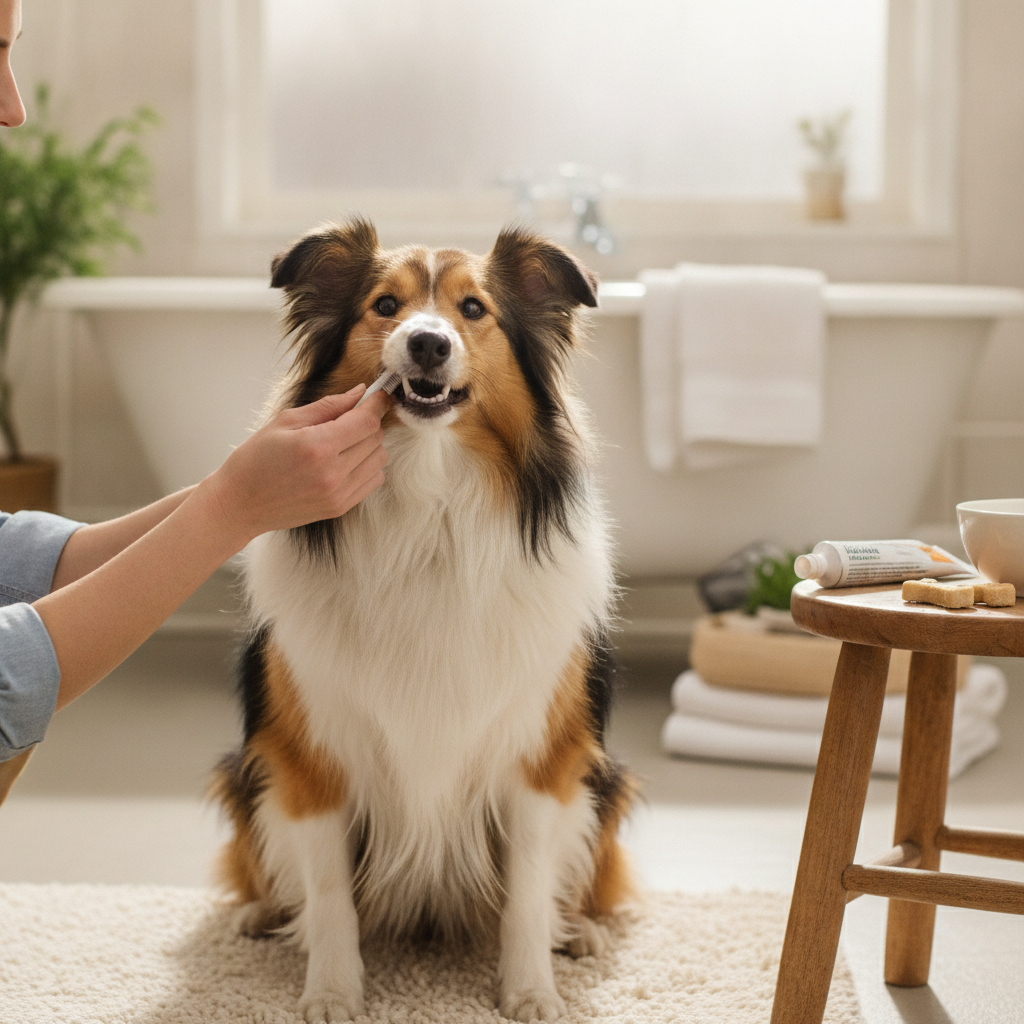
- Introduce the Taste: Start by letting your dog lick a tiny pea-sized amount of dog toothpaste off your finger. Allow them to enjoy the flavor and get accustomed to it. Praise them calmly as they do.
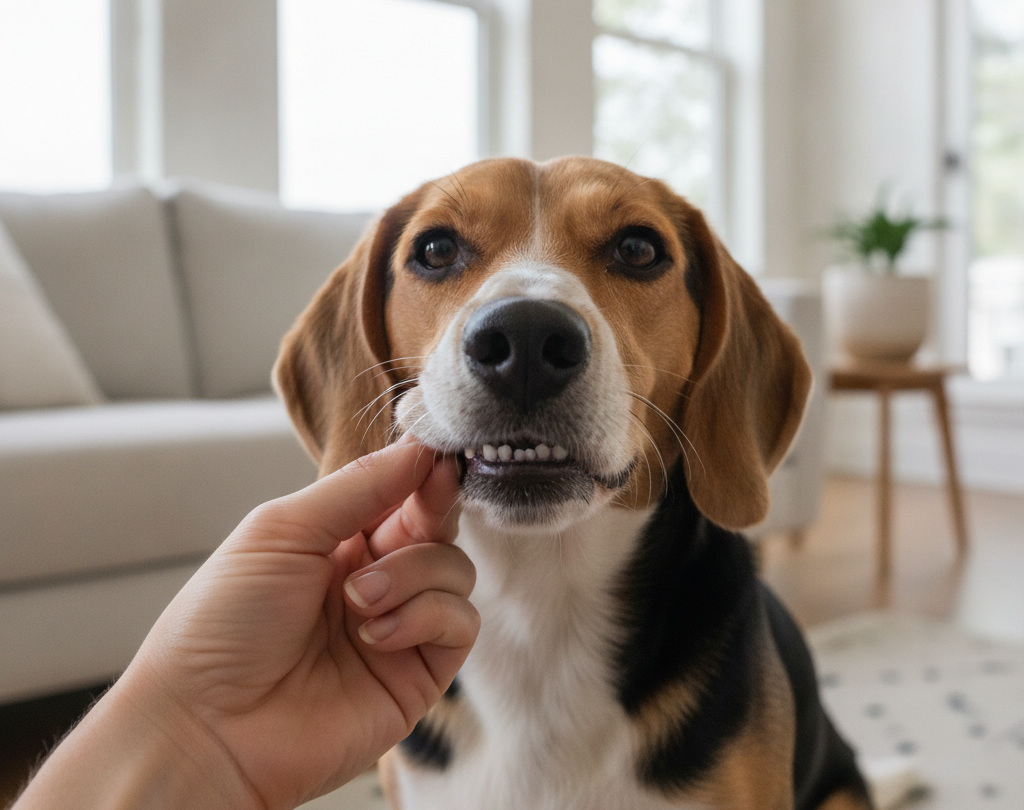
- Introduce the Touch: Once they’re comfortable with the taste, put a small dab of toothpaste on your finger. Gently lift their upper lip and softly touch their gums and the outer surfaces of their teeth with your paste-covered finger. Focus on the canine teeth and the large molars in the back.
- Keep it Short and Sweet: These initial sessions should only last for a few seconds. The moment your dog seems relaxed or cooperative, stop and offer praise or a small, healthy treat. Gradually increase the duration over several days or even a week.
Step 2: Introduce the Toothbrush Gradually
Once your dog is comfortable with your finger in their mouth, it’s time to bring in the toothbrush. Remember to proceed slowly and with kindness.
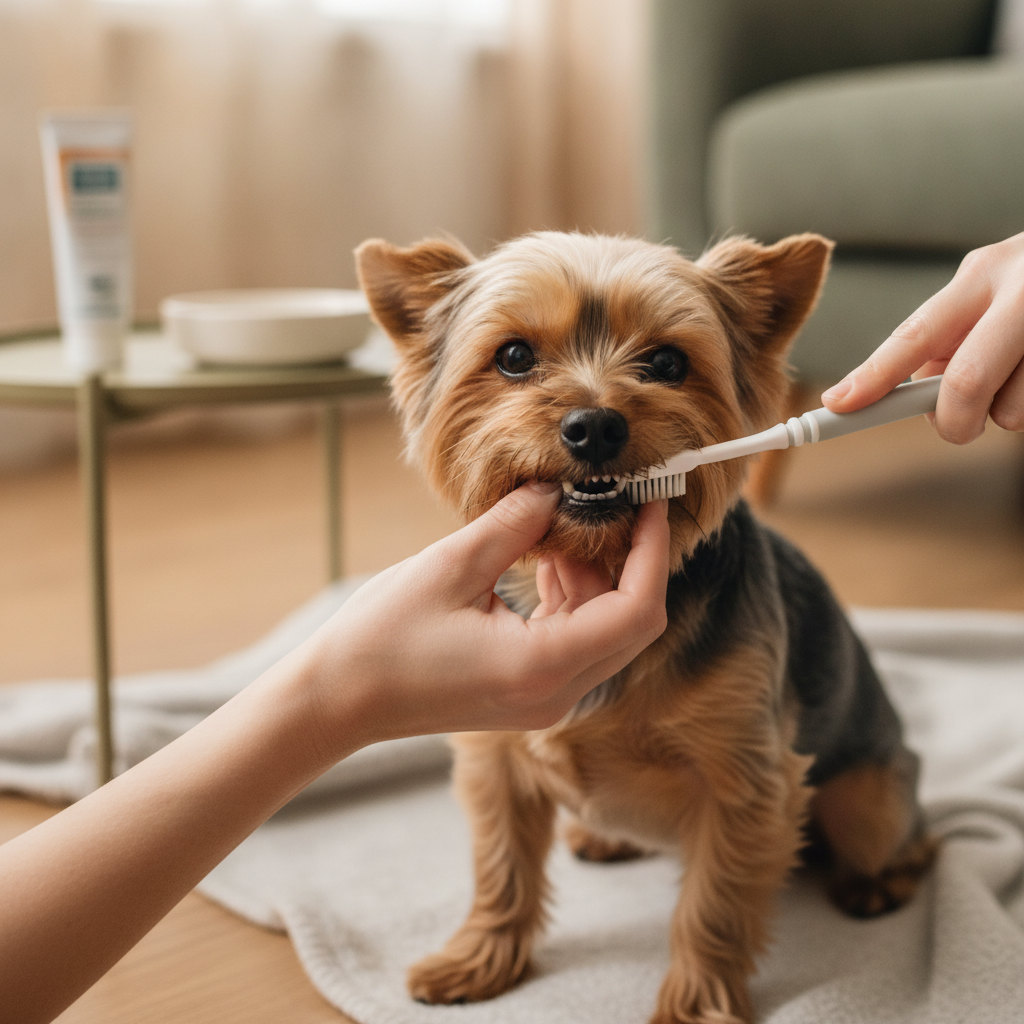
- Familiarize with the Brush: Apply a small amount of dog toothpaste to the toothbrush. Let your dog lick the paste off the brush, allowing them to investigate the brush with their nose and mouth. This helps them see it as a familiar, even tasty, object rather than something new and scary.
- Gentle Introduction: With the toothpaste on the brush, gently lift your dog’s upper lip again. Lightly touch the bristles to their teeth and gums for a few seconds, similar to what you did with your finger. Don’t try to brush yet—just get them used to the sensation of the bristles.
- Be Patient: This step might take a few days, especially if your dog is hesitant. If they pull away or show any signs of stress, revert to the previous step or end the session on a positive note. Never force the brush into their mouth, as this can create fear and make future brushing more difficult.
Step 3: Brush the Outer Surfaces of the Teeth
Now that your dog is more accepting of the toothbrush, you can begin the actual brushing motion. The focus here is on effectiveness without causing unnecessary stress.
- Positioning: Gently lift your dog’s upper lip with one hand. With the other hand, hold the toothbrush at a 45-degree angle to the gumline. This angle allows the bristles to clean both the tooth surface and just under the gumline where plaque often accumulates.
- Brushing Technique: Use gentle, circular motions to clean the teeth. Focus on brushing the outer surfaces of the upper teeth first, as these tend to accumulate more plaque and tartar. Then, move to the outer surfaces of the lower teeth.
- No Need to Pry Open: You generally do not need to pry your dog’s mouth open wide to brush the inner surfaces of their teeth. Their tongue and the natural flow of saliva usually do a sufficient job of cleaning these areas. Concentrating on the outer surfaces is the most critical part of preventing periodontal disease.
- Duration: Aim for about 30 seconds to a minute per side, or as long as your dog tolerates it calmly. Reward them immediately after each brushing session.
When to Consult Your Veterinarian
While a regular home dental care routine is vital, it’s only one part of your dog’s overall oral health. Professional veterinary care is essential, and certain signs warrant immediate attention.
- Warning Signs of Dental Disease: Be vigilant for signs such as red, swollen, or bleeding gums, noticeable tartar (hard, brownish deposits) buildup, persistent bad breath (beyond typical dog breath), or loose teeth. These can indicate early or advanced periodontal disease, a serious condition that can lead to pain and systemic health issues.
- Behavioral Indicators of Pain: Watch for changes in your dog’s eating habits, such as dropping food, reluctance to chew on one side of their mouth, refusing hard kibble or toys, pawing at their mouth, or excessive drooling. These could be signs of dental pain or discomfort.
- Professional Dental Cleanings: Schedule regular professional dental cleanings with your veterinarian. These cleanings allow the vet to thoroughly assess your dog’s oral health beneath the gumline, remove hardened tartar, and address any issues that home brushing cannot resolve. Your vet may recommend these annually or as needed based on your dog’s individual risk factors.
Frequently Asked Questions About Dog Dental Care
How often should I brush my dog’s teeth?
Ideally, you should brush your dog’s teeth daily. Just like humans, plaque can build up quickly. If daily isn’t feasible, aiming for at least three to four times a week can still provide significant benefits for their oral health and help prevent tartar accumulation.
Can I use coconut oil or baking soda instead of dog toothpaste?
No. While coconut oil is often touted for various health benefits, and baking soda is a mild abrasive, neither are veterinary-approved or specifically formulated for canine dental health. They lack the enzymatic action or abrasive properties needed to effectively break down plaque, and their safety for regular ingestion by dogs has not been established for dental purposes. Always stick to veterinary-approved dog toothpaste to ensure efficacy and safety.
What should I do if my dog refuses to let me brush their teeth?
If your dog is consistently resistant, go back to the earlier steps of desensitization. Ensure sessions are very short, positive, and paired with high-value treats. If resistance persists, consult your veterinarian. They can offer personalized advice, check for underlying pain that might be causing the refusal, and discuss professional dental care options to keep their teeth healthy.
Are dental chews an adequate substitute for brushing?
Dental chews and other dental-specific products can be a helpful supplement to your dog’s oral hygiene routine, but they are not an adequate substitute for regular brushing. Brushing provides the most direct and effective removal of plaque from the tooth surface and gumline. Think of dental chews as an extra layer of protection, not the primary defense.
Establishing a routine to brush your dog’s teeth at home is a powerful way to invest in their long-term health and happiness. With patience, the right tools, and a consistent approach, you can help prevent common dental problems and ensure your beloved companion keeps that healthy smile. Remember to always consult your veterinarian if you have concerns about your dog’s oral health or if they show signs of pain or discomfort.