Helping your anxious dog relax and sleep soundly through the night often involves a thoughtful combination of routine, environmental adjustments, and calming techniques. By establishing a consistent evening ritual, creating a secure sleeping space, and introducing helpful tools, you can significantly reduce your dog’s nighttime anxiety. The key is predictability and a sense of safety, which signals to your canine companion that bedtime is a time for calm rest, not worry.
A balanced daily routine can support calmer nights. Review how often to walk your dog and learn how much sleep is normal for dogs.
Table of Contents
Key Takeaways
- A predictable evening routine and a quiet sleeping space can help reduce nighttime stress.
- Avoid punishment; use gradual, reward-based training and address daytime exercise and enrichment.
- Sudden, severe, or persistent nighttime anxiety warrants a veterinary check for pain or illness.
Recognizing Signs of Nighttime Anxiety in Dogs
Before you can help, it’s essential to understand what nighttime anxiety looks like in dogs. It can manifest in various ways, often distinct from a dog simply needing to go outside or being playful.
Common Behaviors to Watch For
Keep an eye out for behaviors such as incessant pacing, whining or whimpering, excessive panting without exertion, or trembling. Some dogs may become unusually clingy as bedtime approaches, following you from room to room or trying to prevent you from settling down for the night. Others might stare intently at shadows or react to subtle outdoor sounds, indicating heightened alertness.
It’s important to distinguish between normal evening settling—a few yawns, a stretch, finding a comfortable spot—and stress-related distress. If your dog seems genuinely uncomfortable, unable to settle, or exhibits repeated anxious behaviors for extended periods, it points more strongly to anxiety.
When to Keep a Log
To help you and your veterinarian understand the pattern, consider keeping a simple log. Note down when the anxious behaviors start, what they look like, how long they last, and if anything seems to trigger or soothe them. This information can be invaluable for identifying patterns and discussing potential causes with a professional.
Establish a Predictable Wind-Down Routine
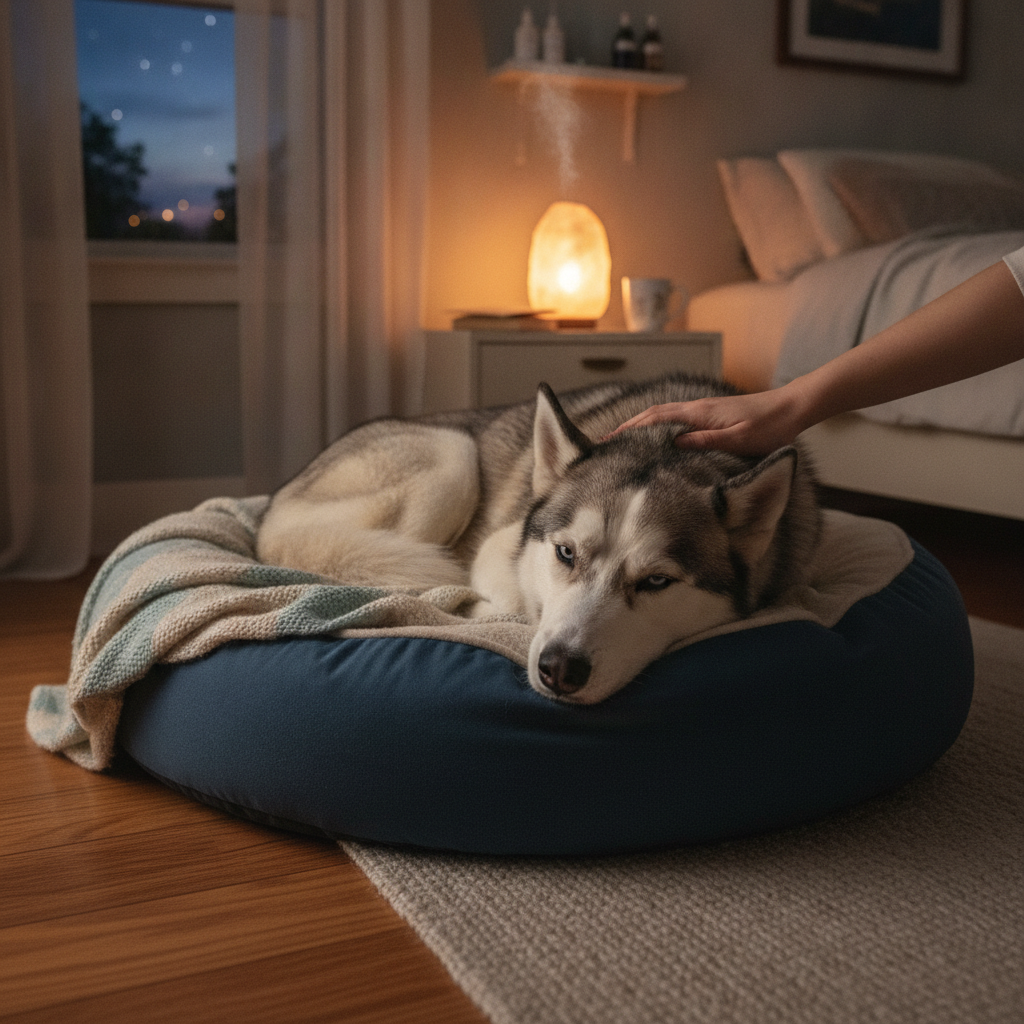
Dogs thrive on routine. A predictable evening schedule signals what’s coming next, which can be incredibly soothing for an anxious mind. This predictability helps them understand that it’s time to transition from activity to rest, reducing unexpected stimuli.
Consistent Lights-Out and Wake-Up Times
Try to maintain consistent lights-out and wake-up times every day, even on weekends. This helps regulate your dog’s internal clock, also known as their circadian rhythm, which plays a big role in sleep and wakefulness. A steady rhythm helps their body naturally prepare for sleep.
Transitioning to Quiet Activities
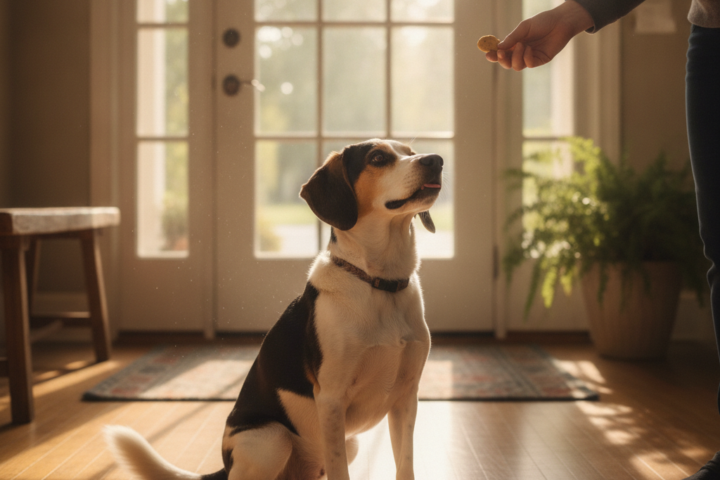
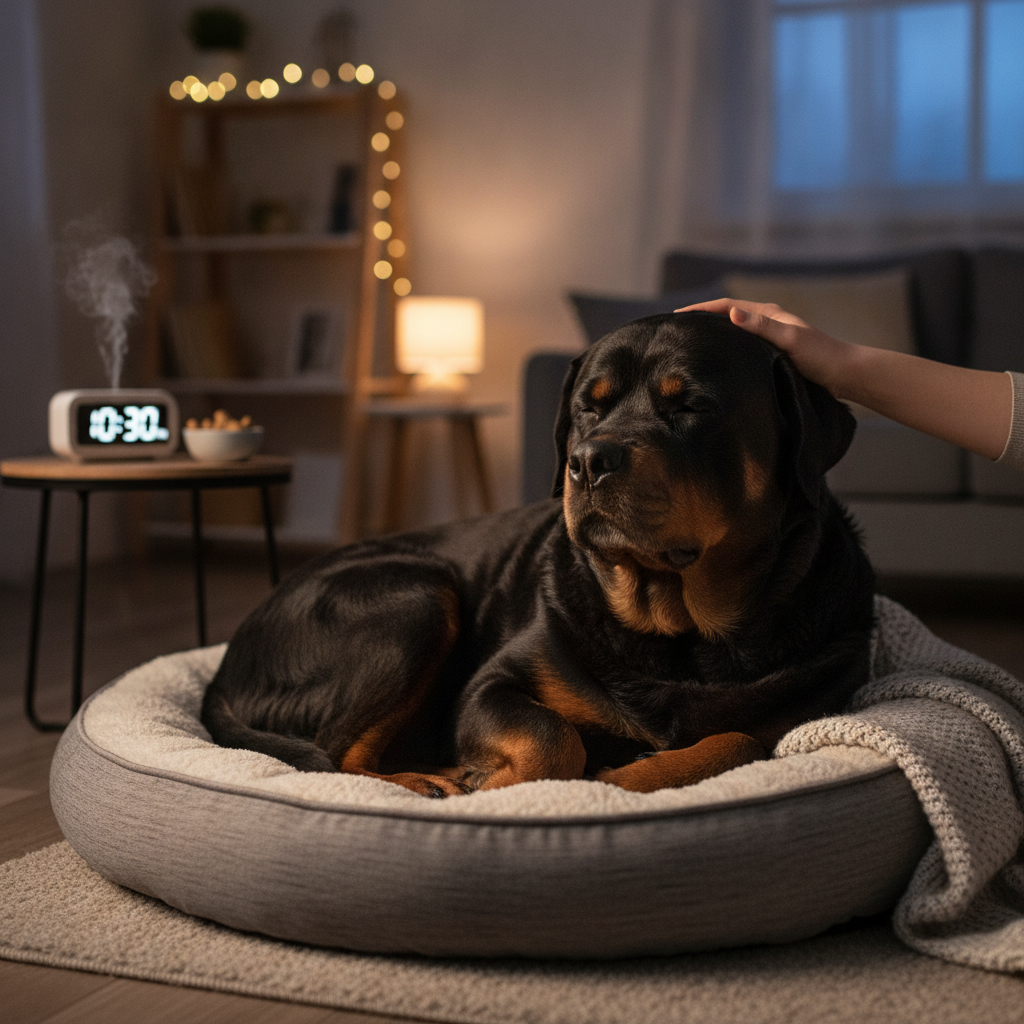
In the hour or two leading up to bedtime, gradually shift from high-energy play to calmer activities. Instead of a boisterous fetch game, opt for a leisurely walk, a gentle petting session, or a quiet chew toy. This gradual winding down allows your dog’s nervous system to relax.
Incorporating Mental Enrichment
Mental enrichment can be wonderfully tiring. Before bed, try a low-stress sniffing game, like hiding a few small, safe treats (avoiding ingredients like onion, garlic, or xylitol) around a room for them to find. This engages their brain in a calm, natural way without over-stimulating them physically.
Optimize the Sleeping Environment
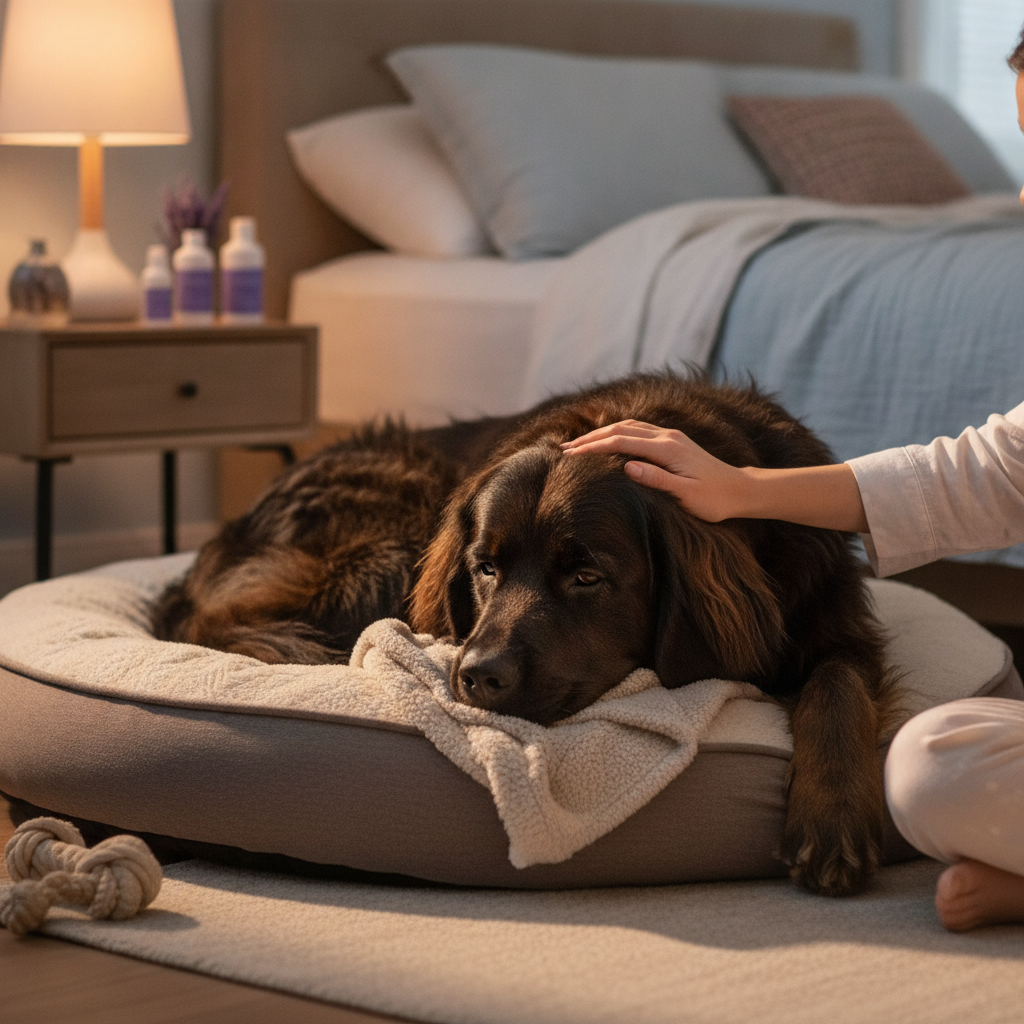
Your dog’s sleeping space should feel like a safe, secure den. Thoughtful adjustments to their environment can make a big difference in how well they settle down for the night.
Choosing the Right Sleeping Spot
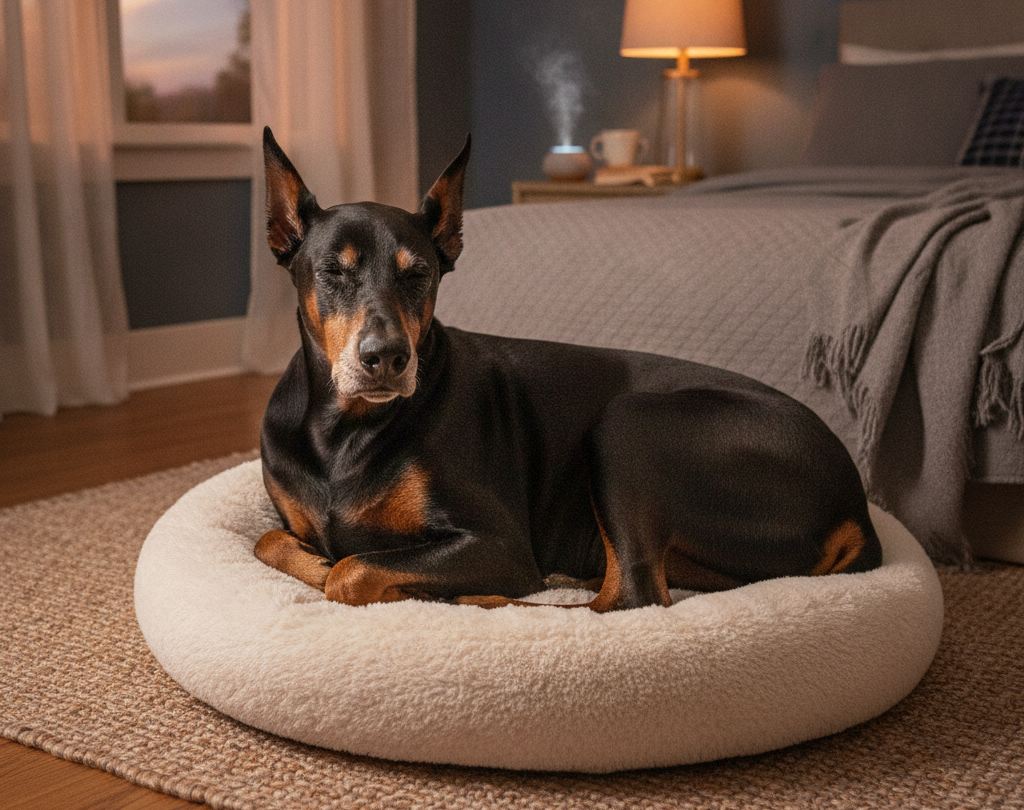
Consider what truly comforts your individual dog. Some dogs feel most secure in a properly sized crate, covered on three sides to create a den-like feel. Others prefer a soft, comfortable dog bed in a quiet corner of a room, or even access to sleep near their human companions. Observe where your dog naturally gravitates and seems most relaxed.
Using White Noise to Mask Sounds
Outdoor sounds like passing cars, distant sirens, or neighborhood wildlife can easily trigger an anxious dog’s alertness. A white noise machine or even a quiet fan can help mask these external noises, creating a more consistent and calming soundscape. This can prevent your dog from being startled awake or from remaining on high alert.
Managing Lighting and Temperature
Ensure the sleeping area is dark enough to promote sleep but not so dark that it feels isolating or frightening if they wake up. A small nightlight can be comforting for some dogs. Also, maintain a comfortable room temperature; just like humans, dogs can struggle to sleep if they are too hot or too cold.
Calming Tools and Practical Comforts
Beyond routine and environment, several non-invasive tools can provide additional comfort and help calm an anxious dog at night.
Pressure Wraps and Anxiety Jackets
Products like pressure wraps or anxiety jackets are designed to apply gentle, constant pressure, similar to swaddling a baby. This can have a calming effect on some dogs, reducing their perceived anxiety during stressful times. Ensure the wrap is properly fitted to be effective and comfortable.
Pheromone Diffusers
Pheromone diffusers, which release synthetic versions of natural canine appeasing pheromones, can help create a more relaxed environment. These are odorless to humans and are designed to send calming signals to dogs. Place a diffuser in or near your dog’s sleeping area for continuous effect.
Limiting Late-Night Stimulation
Avoid exciting play, loud noises, or overly stimulating interactions right before bed. Also, be mindful not to accidentally reinforce anxious behaviors. If your dog whines or paws at you constantly, giving in immediately with excessive attention might inadvertently teach them that anxiety brings rewards. Instead, calmly reassure them and then redirect them to their designated sleeping spot.
When to Consult Your Veterinarian
While routines and environmental changes are powerful tools, some anxiety stems from underlying medical issues or requires professional intervention. Knowing when to seek veterinary advice is crucial for your dog’s well-being.
Distinguishing Behavioral Anxiety from Medical Issues
Nighttime anxiety can sometimes be a symptom of a hidden problem. Pain, especially from conditions like arthritis, can make it difficult for dogs to get comfortable. Cognitive dysfunction (similar to dementia in humans) can cause confusion and disorientation, leading to anxiety, particularly at night. Sensory loss, such as declining eyesight or hearing, can also make a dog feel more vulnerable and anxious in the dark or quiet hours.
Preparing for a Vet Visit
If your dog’s nighttime anxiety is persistent, worsening, or appears suddenly, schedule an appointment with your veterinarian. Be prepared to share your detailed observations from your log, including when the anxiety started, its specific symptoms, and any other changes in your dog’s behavior, appetite, or activity levels. This information helps your vet rule out medical causes.
Professional Options
Your veterinarian can assess your dog’s overall health and discuss potential solutions. They may recommend further diagnostics, prescribe medication to manage anxiety, or refer you to a certified professional dog trainer or a veterinary behaviorist. These experts can provide tailored behavioral modification plans and strategies to help your dog overcome their fears and sleep soundly.
Frequently Asked Questions
Why does my dog suddenly get anxious only at night?
A sudden onset of nighttime anxiety can be due to various factors. It could be related to changes in their environment (new home, new family member, new pet), a recent traumatic experience, an age-related issue like cognitive decline, or an underlying medical condition causing pain or discomfort. It’s best to consult your veterinarian to rule out any health-related causes.
Should I let my anxious dog sleep in my bed?
Whether you let an anxious dog sleep in your bed depends on your specific dog and situation. For some dogs, the proximity and warmth of their owner can be incredibly comforting and reduce anxiety. For others, it might inadvertently reinforce their clinginess or dependence, or not address the root cause of their anxiety. If it helps your dog calm down and everyone gets better sleep, it can be a good solution. If it creates new problems or doesn’t resolve the anxiety, other strategies might be more effective.
Can background noise help a dog sleep better?
Yes, background noise, particularly white noise, can often help a dog sleep better. It creates a consistent sound environment that can mask sudden, startling external noises (like traffic, sirens, or neighborhood sounds) that might otherwise trigger your dog’s anxiety or wakefulness. This can help them feel more secure and less reactive to their surroundings.
When should I talk to a vet about my dog’s nighttime pacing?
You should talk to a vet about your dog’s nighttime pacing if it is new, persistent, worsening, or accompanied by other concerning symptoms like panting, trembling, whining, or difficulty settling. Pacing can indicate anxiety, pain, cognitive dysfunction, or other underlying health issues, all of which warrant a professional medical evaluation to determine the cause and appropriate treatment.
Helping your dog overcome nighttime anxiety is a journey that requires patience, consistency, and understanding. By implementing a calming routine, optimizing their environment, and knowing when to seek professional help, you can provide your beloved companion with the peace and restful sleep they deserve.