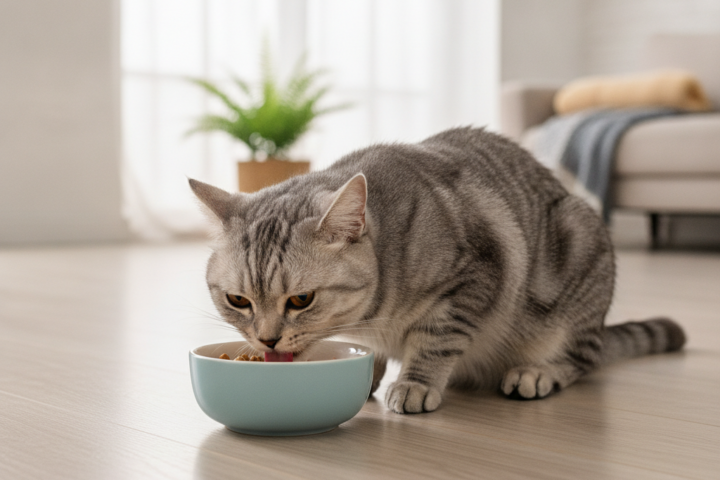
What is the best food for a senior cat? For a healthy older cat, start with a complete and balanced cat food your cat eats reliably, then choose portions that maintain a healthy weight and muscle condition. Wet food can help increase water intake, but a suitable dry food can also work when fresh water is always available. Age alone does not call for a low-protein or low-phosphorus diet; kidney disease and other conditions need an individual plan from your veterinarian.
When comparing protein sources and treats, read whether cats should eat tuna every day and whether chicken is safe for cats.
Table of Contents
Key Takeaways
- Senior cats need complete, balanced food matched to their health, body condition, and activity level.
- Protein quality, hydration, digestibility, and appropriate calories matter more than marketing labels alone.
- A veterinarian should guide diet changes for cats with kidney disease, diabetes, weight loss, or other medical conditions.
How Dietary Needs Change as Cats Age
The AAHA/AAFP life-stage guidelines describe ages 7–10 as mature adult and cats over 10 as senior. The right diet still depends more on body condition, muscle, appetite, activity, and diagnosed disease than on the word “senior” on a package.
Calorie needs do not move in one direction for every older cat. Some gain excess weight, while others become underweight or lose muscle. Ask your veterinarian to assess unexpected weight or appetite changes rather than assuming they are a normal part of aging. Regular weigh-ins and body-condition checks can help you notice a change early. For warning signs and next steps, see our guide to weight loss in cats.
Key Nutritional Components for Older Felines
When selecting an older cat diet, specific nutrients take on heightened importance to support their aging bodies and help them thrive.
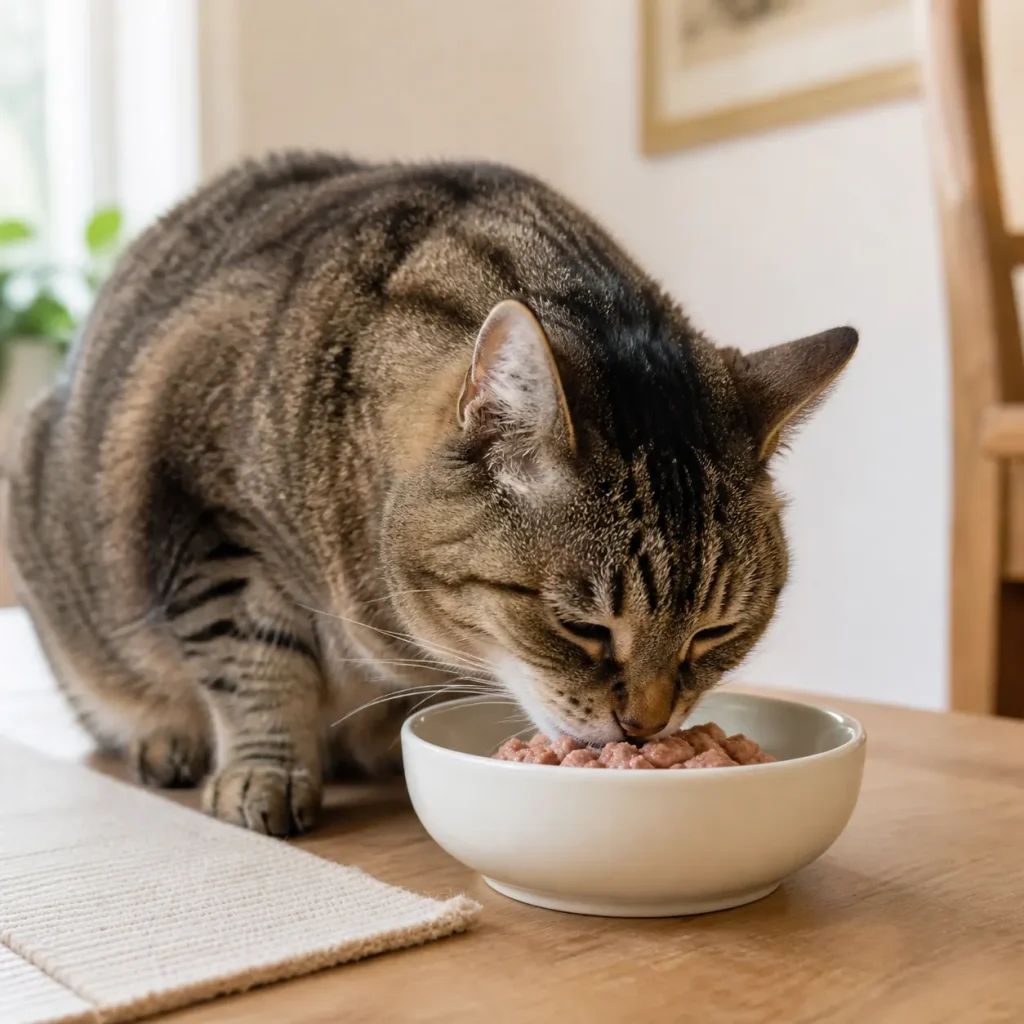
- Adequate, digestible protein: Healthy older cats should not have protein restricted simply because of age. Protein helps preserve muscle, but there is no single “more is always better” target for every cat. A veterinarian can adjust the plan when illness changes nutritional needs.
- Phosphorus matched to medical needs: Do not choose a kidney or low-phosphorus diet solely because a cat is older. Prescription renal diets are intended for cats with diagnosed kidney disease and should be selected with a veterinarian.
- Complete nutrition first: A complete and balanced diet should remain the main source of nutrients. Ask your veterinarian before adding fish oil or other supplements, especially if your cat has a medical condition.
- Increased Hydration: Water intake is crucial for kidney and urinary tract health, which are common areas of concern in older cats. Food choices that naturally boost hydration are often preferred.
Wet Food Versus Dry Food for Senior Cats
The texture and moisture content of your cat’s food can significantly impact their health and enjoyment, especially as they age.
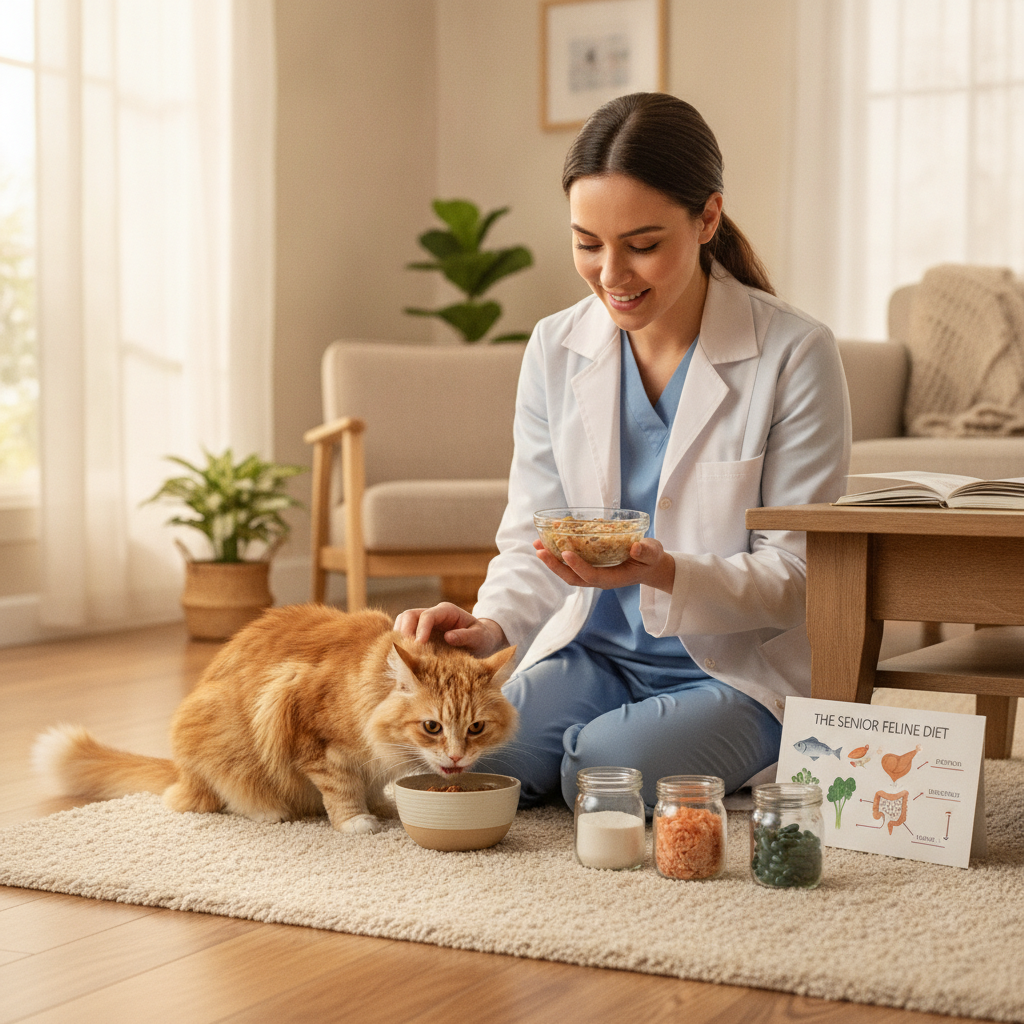
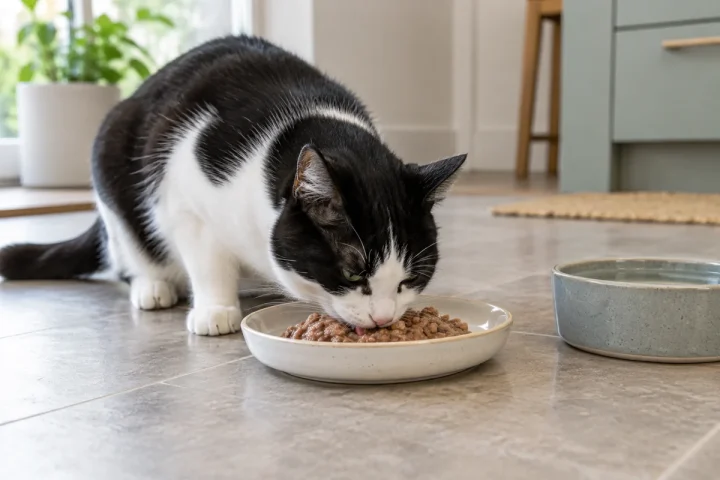
Wet Food: Canned or wet food is often an excellent choice for senior cats. Its high moisture content directly contributes to their daily water intake, which is vital for supporting kidney function and overall hydration. The softer texture is also easier for older cats to chew, particularly if they have dental issues or missing teeth. Many senior cats find wet food more palatable due to its stronger aroma and taste.
Dry Food: A complete and balanced dry food can be a suitable option for some senior cats. Ordinary kibble should not be treated as dental care; if chewing is painful, ask your veterinarian to check the mouth and discuss softer food. Keep fresh water available at all times, particularly for cats eating only dry food.
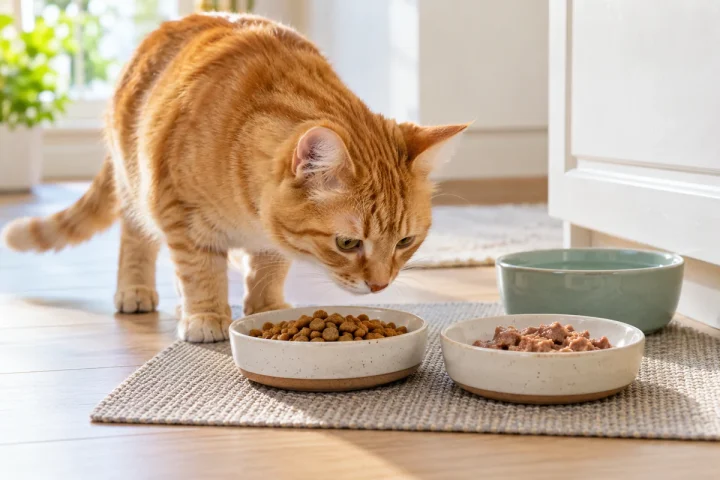
Combination Feeding: Wet and dry foods can be combined if your cat accepts both. Count calories from both portions and watch weight and muscle condition. The best texture is one your cat can comfortably eat while meeting its nutritional needs.
Common Health Concerns and Dietary Adjustments
As cats age, certain health issues become more prevalent, and diet can play a supportive role. It’s important to differentiate between typical age-related changes and signs that require veterinary attention.
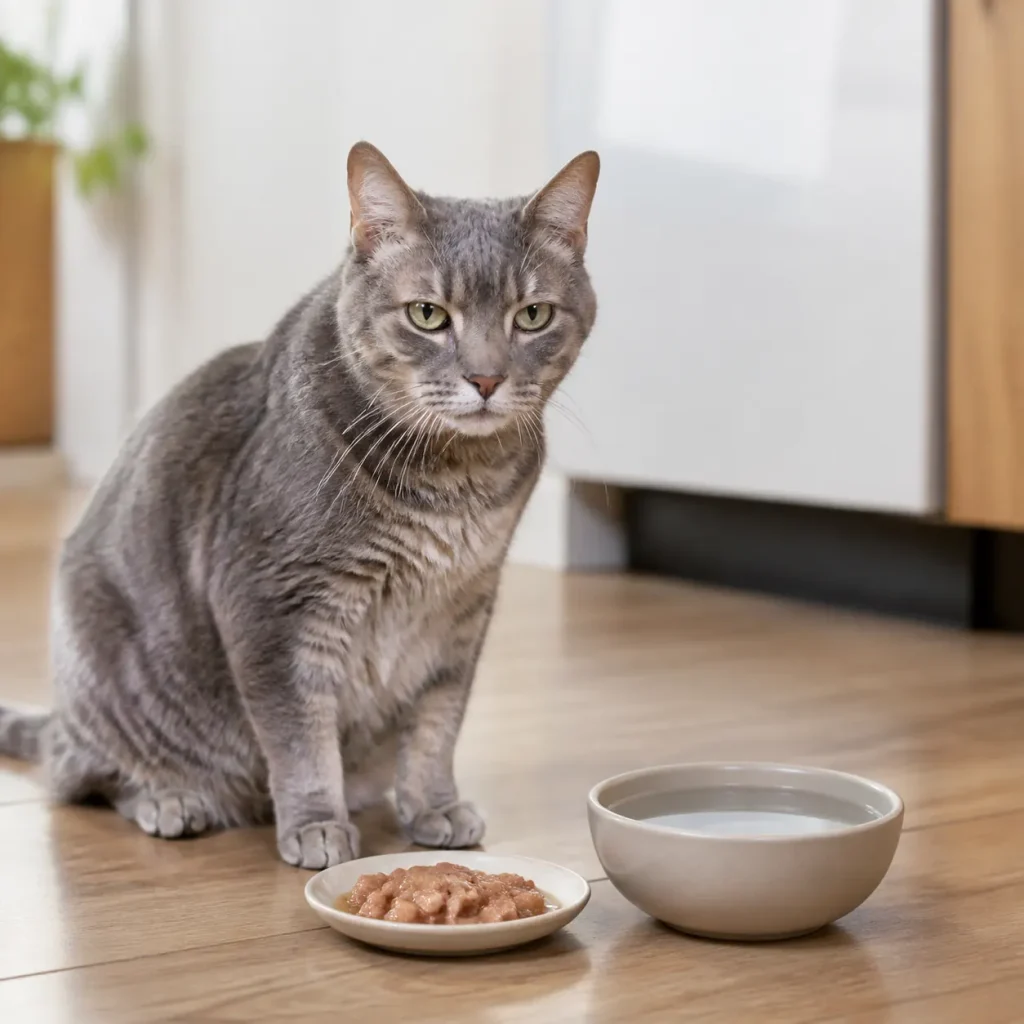
Changes worth checking: Reduced appetite, difficulty chewing, weight change, or reluctance to reach a food bowl can reflect dental pain or another condition. Do not dismiss these as normal aging; discuss them with your veterinarian.
When to contact a veterinarian: Unexplained weight loss, a sudden appetite change, refusing food, increased thirst or urination, repeated vomiting, or diarrhea calls for veterinary advice. If your cat is not eating, contact a veterinarian promptly rather than waiting for a diet change to solve it.
Always consult a veterinarian before making major dietary changes for a cat with underlying health conditions. They can recommend specific therapeutic diets tailored to manage conditions like kidney disease, diabetes, or inflammatory bowel disease, ensuring your older cat receives appropriate and safe nutrition.
Tips for Transitioning and Feeding Senior Cats
Introducing new foods or adjusting feeding routines for your senior cat requires patience and thoughtfulness.
- Gradual Transition: When introducing a new senior cat food, do so gradually over 7 to 10 days. Start by mixing a small amount of the new food with their old food, slowly increasing the proportion of the new food each day while decreasing the old. This helps prevent digestive upset.
- Enhance Appeal: For cats with diminished senses of smell and taste, gently warming wet food can enhance its aroma, making it more enticing. A small amount of low-sodium chicken broth (without onion or garlic) can also be added to either wet or dry food for added flavor and moisture.
- Provide Quiet Feeding Stations: Senior cats can be easily stressed by household commotion. Provide quiet, easily accessible feeding stations away from high-traffic areas, other pets, and litter boxes. Elevated bowls can also be helpful for cats with joint stiffness.
- Monitor Intake: Keep an eye on how much your cat is eating and drinking. Any significant change should be noted and discussed with your vet.
- Fresh Water Always: Ensure multiple sources of fresh, clean water are available throughout your home. Consider a water fountain, as many cats prefer running water.
What to Feed an Older Cat: A Senior Cat Diet Checklist
A practical senior cat diet should be based on your cat’s body condition, appetite, activity level, and medical history—not age alone. When deciding what to feed an older cat, use this checklist as a starting point and review major changes with your veterinarian.
- Complete and balanced nutrition: Choose food labeled for your cat’s life stage and avoid relying on treats or homemade additions as the main diet.
- High-quality, digestible protein: Older cats still need protein to preserve muscle, although cats with certain medical conditions may require an individualized plan.
- Appropriate calories: Some senior cats gain weight as activity drops, while very old cats may lose weight and need more energy-dense meals.
- Plenty of moisture: Wet food, added water when tolerated, and several fresh water stations can support hydration.
- Easy-to-eat texture: Softer food or smaller portions may help cats with dental discomfort, reduced appetite, or difficulty chewing.
- Condition-specific adjustments: Kidney disease, diabetes, food sensitivities, and digestive problems should be managed with veterinary guidance rather than a generic “senior” formula.
The best elderly cat diet is one your cat eats consistently while maintaining healthy muscle and body weight. Weigh your cat regularly and contact your veterinarian if you notice unexplained weight loss, increased thirst, vomiting, diarrhea, or a sudden appetite change.
Frequently Asked Questions About Senior Cat Nutrition
At what age is a cat considered a senior?
In the AAHA/AAFP life-stage guidelines, cats aged 7–10 are mature adults and cats older than 10 are senior. Age is a useful starting point, but a veterinarian should consider the individual cat’s health and body condition when recommending food.
Do older cats need more protein or less protein?
Healthy older cats should not have protein restricted just because of age. Adequate, digestible protein helps maintain muscle, but the amount should suit the individual cat and the food’s complete nutritional profile. Cats with diagnosed chronic kidney disease may need a prescribed renal diet with controlled protein and phosphorus; ask your veterinarian before making that change.
How can I help my senior cat gain weight if they are too thin?
If your senior cat is underweight, it’s crucial to consult your veterinarian first to rule out underlying medical conditions that could be causing weight loss, such as hyperthyroidism, kidney disease, or dental pain. Once any health issues are addressed, your vet can recommend a high-calorie, highly palatable diet. You might also try warming wet food to enhance its aroma, offering multiple small meals throughout the day, or adding cat-safe flavor enhancers. Never force-feed your cat or add unsafe ingredients to their food.
Is wet food better than dry food for older cats?
Neither format is automatically best for every older cat. Wet food adds moisture and may be easier to eat with dental discomfort; complete and balanced dry food can also be appropriate with ready access to fresh water. Ask your veterinarian about painful chewing, kidney disease, or a sudden appetite change.
Supporting your senior cat’s health through thoughtful nutrition is one of the most loving things you can do. By understanding their changing needs and making informed choices, always in consultation with your veterinarian, you can help them enjoy their golden years with comfort and vitality.