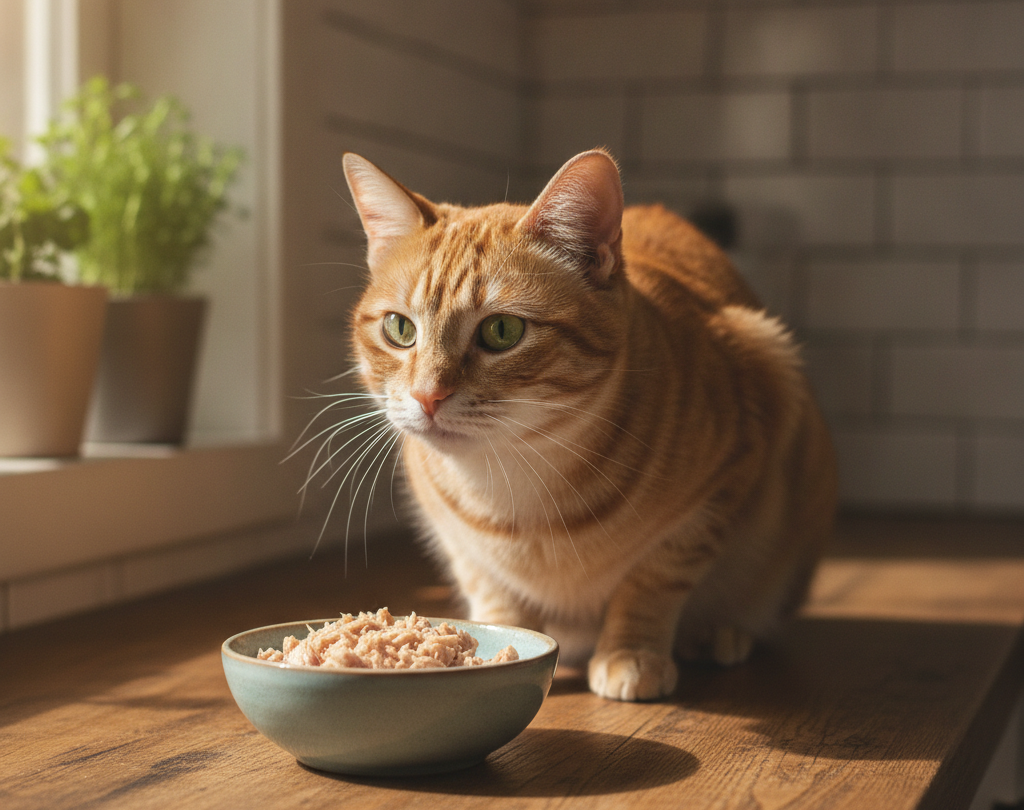
While your feline friend might stare longingly at you every time you open a can of tuna, feeding it to them daily is not a good idea. In fact, it carries significant health risks for cats. Tuna, especially human-grade canned tuna, lacks many essential nutrients a cat needs for a balanced diet and contains substances that can be harmful in large, regular quantities. We will explain the nutritional risks of daily tuna consumption, safe feeding frequencies, and healthier alternatives so you can protect your cat’s health.
For a more balanced view of feline foods, compare whether cats can eat chicken and cats can eat rice.
Table of Contents
Key Takeaways
- Daily tuna is unsafe: Human canned tuna lacks vital nutrients and can lead to imbalances.
- Mercury risk: Regular consumption can cause mercury poisoning.
- Nutrient deficiencies: Tuna is low in vitamin E and other essential minerals, potentially causing serious health issues like steatitis.
- Treat, not meal: Offer tuna very sparingly, packed in water, and without additives.
- Vet consultation: If your cat shows any unusual symptoms, contact your veterinarian immediately.
Why Cats Love Tuna (And Why Daily Feeding Is Risky)
Cats are notoriously drawn to tuna. Its strong aroma and rich, savory taste are incredibly appealing to their senses, often making it irresistible. This powerful allure is precisely why many cats can become very persistent about getting tuna once they’ve had a taste.
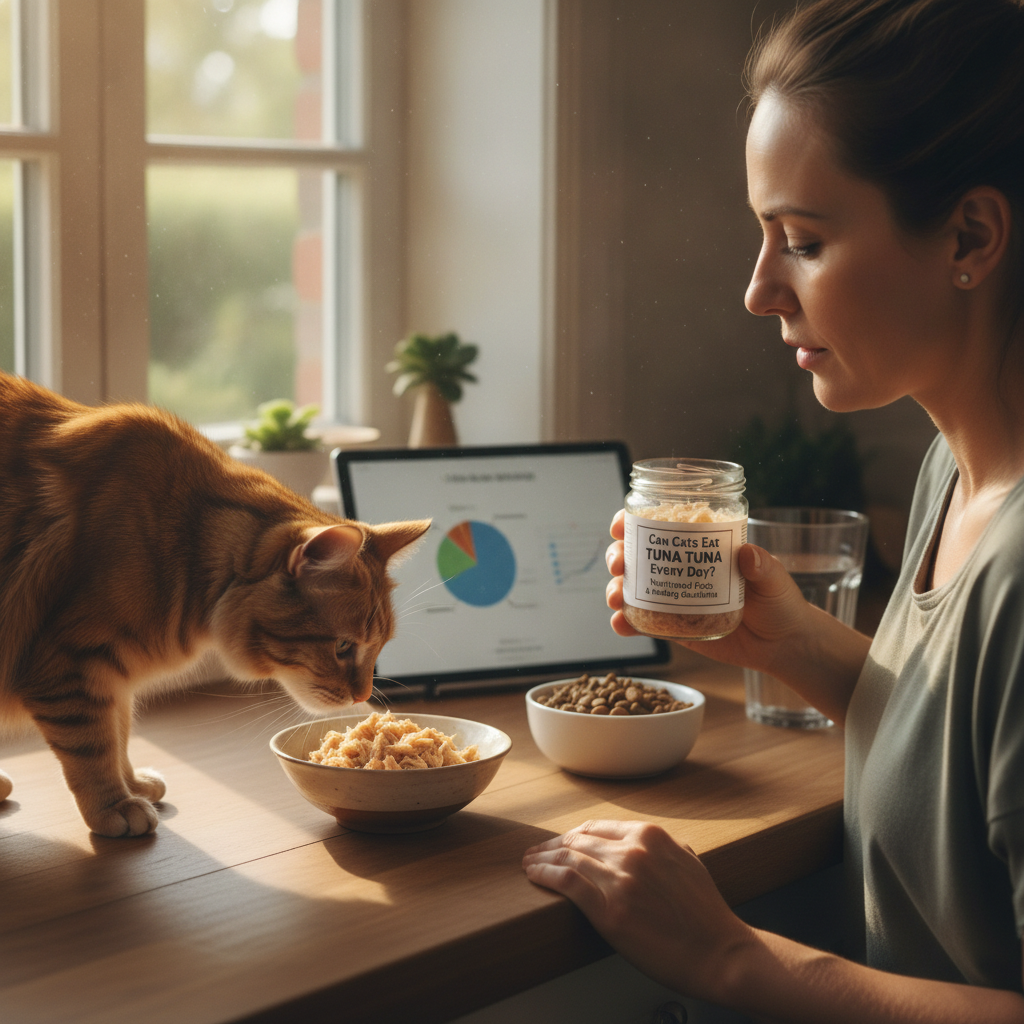
However, despite its deliciousness to cats, tuna simply doesn’t provide the complete and balanced nutrition they require. Unlike specially formulated commercial cat food, tuna lacks many essential vitamins, minerals, and amino acids that are crucial for feline health. Regular reliance on tuna can create stubborn addiction habits, making it difficult to introduce healthier foods later on.
The Nutritional Risks of Daily Tuna Consumption
Making tuna a daily staple in your cat’s diet introduces several serious health hazards that can accumulate over time.

- Risk of Mercury Accumulation: Tuna, especially light tuna, contains mercury. While small amounts are usually harmless, daily consumption can lead to a buildup of mercury in your cat’s system. Mercury poisoning can cause neurological damage, kidney problems, and other severe health issues over time.
- Potential for Vitamin E Deficiency: Tuna is naturally low in vitamin E, which is a vital antioxidant. Feeding a cat a diet high in unsaturated fatty acids (found in fish) but low in vitamin E can lead to a painful condition called steatitis, or “yellow fat disease.” This involves inflammation of the body’s fat tissues and can be debilitating.
- Lack of Balanced Taurine, Calcium, and Essential Minerals: A cat’s body requires a specific balance of nutrients. Tuna does not provide adequate levels of taurine, an amino acid essential for heart health and vision. It also lacks the correct balance of calcium, phosphorus, and other vital minerals needed for strong bones and overall bodily function. Relying on tuna instead of commercial cat food, which is formulated to meet these needs, can lead to serious deficiencies.
Checklist: Safe Ways to Offer Tuna as an Occasional Treat
If you choose to share tuna with your cat, it’s important to do so safely and sparingly. Here’s a practical checklist to minimize risks:

- Limit tuna to an occasional treat, not a meal replacement. Think of it as a tiny special indulgence, perhaps once or twice a month at most.
- Choose tuna packed in water rather than oil or brine. Oil adds unnecessary fat and calories, and brine contains excessive salt, both of which are unhealthy for cats.
- Avoid added salt, garlic, onions, or artificial seasonings. These ingredients are toxic or harmful to cats and should never be offered. Always check the label.
- Keep serving sizes very small, to a single spoonful or less. A small flake or two is sufficient to satisfy their craving without overdoing it.
Signs Your Cat May Have Eaten Too Much Tuna
Observing your cat for any changes in their health or behavior after improper feeding is crucial. Be aware of these potential signs:
- Digestive upset: This is a common and immediate sign. Look for vomiting or diarrhea, which can indicate that the tuna upset their stomach or that there’s an underlying issue.
- Lethargy or changes in coat condition: A cat that has eaten too much tuna over time may seem unusually tired or less active. Their coat might also appear dull, greasy, or flaky, which can be a sign of poor nutrition or a developing vitamin E deficiency.
- Unusual muscle sensitivity or tenderness: If your cat shows signs of pain when touched, is reluctant to move, or seems stiff, it could be associated with steatitis (yellow fat disease), especially if they’ve been eating a lot of tuna. This condition can be very painful.
When to Contact a Veterinarian
Your veterinarian is your best resource for any concerns about your cat’s health or diet. Do not hesitate to contact them if you observe any of the following:
- Persistent gastrointestinal distress after eating fish: If your cat continues to vomit, have diarrhea, or shows a loss of appetite, it warrants a veterinary visit.
- Noticeable behavioral changes or reluctance to move: Any sudden changes in activity level, unusual lameness, or signs of pain when moving or being handled should be addressed promptly.
- Guidance on formulating a balanced diet: If you are concerned about your cat’s current diet or suspect nutritional deficiencies, a veterinarian can help you create a nutritionally complete and appropriate feeding plan, especially for cats with specific health needs.
Healthy Alternatives to Daily Tuna
Satisfying your cat’s love for fish doesn’t have to mean resorting to risky daily tuna feeding. There are many safer, healthier alternatives:
- Commercial fish-flavored cat foods: Look for high-quality, nutritionally complete commercial cat foods that list fish (like salmon, cod, or tuna) as a primary ingredient. These foods are specifically formulated to provide all the essential nutrients your cat needs without the risks of imbalances.
- Plain, cooked salmon or whitefish given in moderation: If you want to offer real fish, a small amount of plain, boneless, skinless cooked salmon or whitefish (like cod or tilapia), prepared without any seasonings, oil, or butter, can be a much healthier occasional treat than tuna. Always ensure it’s fully cooked and cooled.
- Single-ingredient freeze-dried fish treats: Many pet supply stores offer freeze-dried treats made from just one ingredient, such as salmon or pollock. These are often a great way to give your cat a fishy reward that is both tasty and safe, as they lack harmful additives.
Frequently Asked Questions About Tuna for Cats
Can cats eat canned tuna meant for humans?
Yes, cats can eat very small amounts of canned tuna meant for humans as an occasional treat, but it must be packed in water, not oil, and contain no added salt or seasonings like onion or garlic. It should never be a regular part of their diet due to nutritional imbalances and mercury content.
Is tuna in water safer than tuna in oil for cats?
Absolutely. Tuna packed in water is significantly safer than tuna in oil for cats. Oil adds unnecessary fat and calories, which can lead to digestive upset or weight gain. Brine (salt water) is also harmful due to high sodium levels.
How much tuna can a cat eat safely as a treat?
A very small amount – typically no more than a single tablespoon of flaked tuna – is considered a safe treat serving for an adult cat, and only given very infrequently (e.g., once or twice a month).
Can kittens eat tuna?
It’s generally not recommended to feed tuna to kittens. Kittens have precise nutritional needs for growth and development, and tuna lacks the balanced nutrients required. It’s best to stick to high-quality kitten-specific food to ensure they get everything they need.
While sharing a special treat with your cat is a wonderful part of pet ownership, their health must always come first. By understanding the risks of feeding tuna daily and opting for safer, nutritionally balanced alternatives, you can ensure your beloved companion enjoys a long, happy, and healthy life. Always consult your veterinarian if you have concerns about your cat’s diet or any unusual symptoms.