If you’ve noticed your dog’s paw licking intensifies as the house quiets down for the night, you’re observing a common pattern. When distractions fade, a subtle itch or discomfort that might go unnoticed during the day can become a primary focus. This nighttime attention can stem from various causes, including environmental allergies, minor injuries, or even behavioral responses like boredom or anxiety. Understanding these triggers is the first step in helping your furry friend find relief and get a good night’s rest.
Veterinary reference: The Merck Veterinary Manual explains that parasites, infections, and allergies are common causes of itching and licking. Persistent licking, redness, odor, swelling, discharge, limping, or broken skin should be assessed by a veterinarian.
Table of Contents
Key Takeaways for Nighttime Paw Licking
- Nighttime often highlights discomfort because of fewer distractions.
- Causes can be medical (allergies, infections, injuries) or behavioral (boredom, anxiety).
- Regular home paw inspections are crucial for early detection.
- Simple environmental adjustments can provide significant relief.
- Persistent or worsening symptoms always warrant a veterinary visit.
Understanding Nighttime Paw Licking
Many dog owners wonder, “why does my dog lick paws at night?” The answer often lies in the shift in their environment. During the day, our dogs are busy with walks, playtime, meals, and family interactions. These activities naturally distract them from minor irritations.

As the evening draws in and the household settles, these distractions disappear. What might have been an occasional lick in the afternoon can escalate into prolonged, repetitive paw licking once your dog has little else to focus on. It’s similar to how a small cut might feel more noticeable when you’re trying to fall asleep.
This quiet time can also turn a minor itch into a comforting, habitual behavior. It’s important to distinguish between routine evening grooming, which is normal, and obsessive licking that might signal an underlying issue. Normal grooming is usually brief and serves to keep paws clean; obsessive licking is prolonged, repetitive, and often focused on one specific area.
Common Medical Causes of Paw Licking
The paws are highly susceptible to irritation because they’re constantly exposed to the environment. Several medical issues can cause intense paw itching or discomfort, leading to your dog licking their paws constantly, especially at night.
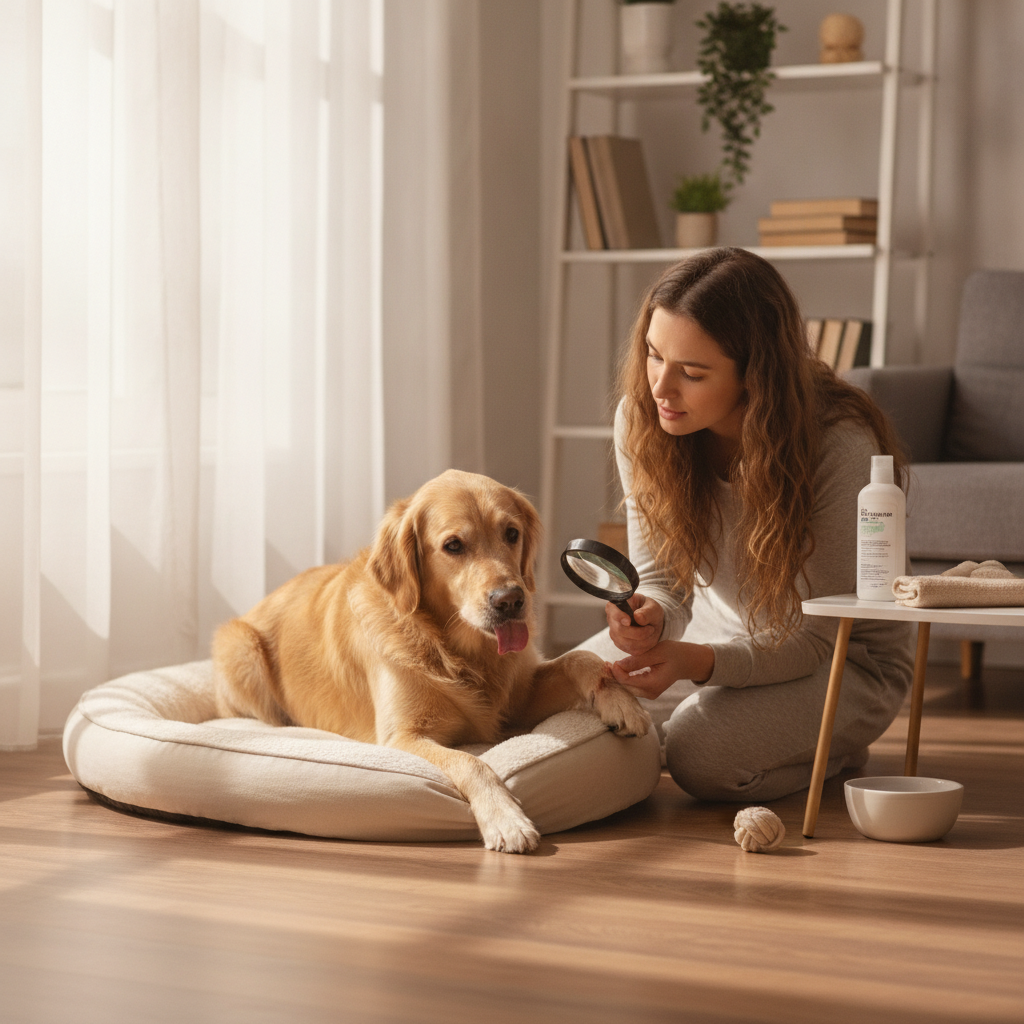
Environmental Allergies
One of the most frequent culprits is environmental allergies, often called atopy. Dogs can be sensitive to pollen, grass, dust mites, or mold spores. When these allergens come into contact with their skin, especially their paws, it can cause intense itchiness. The licking might worsen at night because they’ve accumulated allergens throughout the day, and now have time to react.
Can food allergies cause my dog to lick their paws at night? Yes, food allergies are another potential cause of itchy skin, including the paws. Unlike environmental allergies, food allergies typically cause year-round symptoms, not just seasonal ones. If environmental allergies have been ruled out, or if your dog shows other signs like ear infections or gastrointestinal upset, your vet might explore a dietary trial.
Infections and Fungi
Constant moisture from licking, or even just humid conditions, can create a perfect breeding ground for secondary yeast or bacterial infections between the toes and on the paw pads. Yeast infections often have a distinct, somewhat sweet or cheesy odor and can cause redness and brownish staining on the fur. Bacterial infections might appear as red, swollen areas, pustules, or even open sores.
Foreign Objects and Minor Injuries
During walks, small debris like burrs, thorns, tiny pebbles, or even foxtails can get lodged deep between the paw pads or toes. These foreign objects cause immediate irritation and pain, prompting your dog to lick excessively to dislodge them. Minor cuts, scrapes, or cracked paw pads can also be very uncomfortable, leading to focused licking as your dog attempts to soothe the area or clean a wound.
Why does my dog only lick one specific paw? If your dog is consistently licking just one paw, it strongly suggests a localized issue. This could be a foreign object embedded in that paw, a specific injury like a cut or sprain, a localized infection, or even an insect sting. It’s a clear sign that a thorough inspection of that particular paw is needed.
Dry Skin and Irritants
Just like humans, dogs can suffer from dry skin, especially in winter or arid climates. Dry, cracked paw pads can be painful and itchy. Additionally, irritants like road salt, harsh cleaning chemicals on floors, or certain lawn treatments can cause contact dermatitis, leading to intense licking after exposure.
Behavioral and Psychological Triggers
Sometimes, the reasons behind repetitive paw licking aren’t purely physical. A dog’s emotional or mental state can significantly influence this behavior, especially when they’re left alone with their thoughts at night.
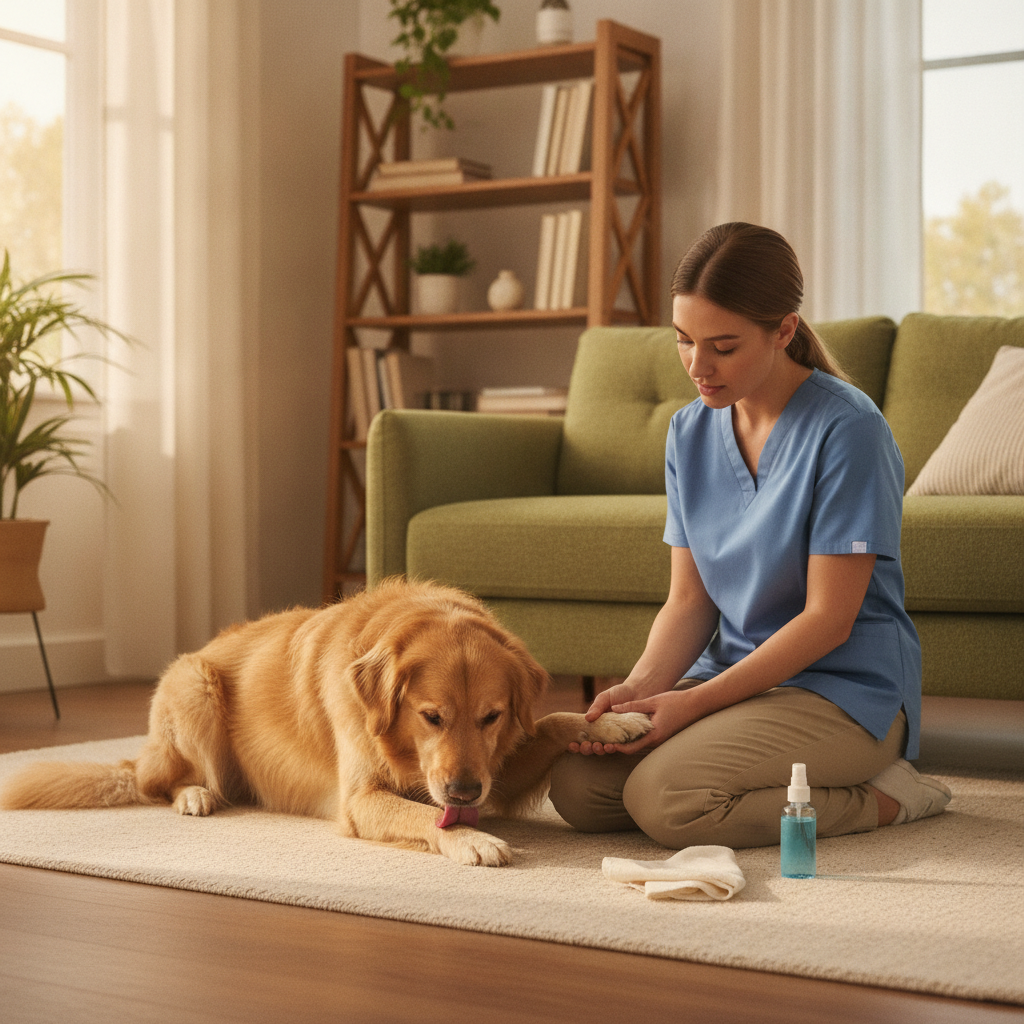
Boredom and Lack of Stimulation
If a dog isn’t getting enough physical exercise or mental stimulation during the day, they might become bored or restless. Nighttime, with its lack of activity, can amplify this feeling. Licking paws can become a self-rewarding activity, providing a simple way to occupy themselves and burn off pent-up energy, even if it’s not the most constructive outlet.
Anxiety and Stress
Dogs, like people, can experience anxiety and stress. This might be due to separation from their owners, changes in their routine, loud noises, or general nervousness. Paw licking can be a self-soothing mechanism, similar to how a child might suck their thumb. It provides comfort and helps them cope with uneasy feelings, making it a common nighttime habit when anxieties often feel more pronounced.
Compulsive Habits
In some cases, chronic paw licking can develop into a compulsive disorder, akin to Obsessive-Compulsive Disorder (OCD) in humans. What might start as a response to an itch can become a fixed, repetitive behavior even after the original physical cause has resolved. These behaviors are often performed with an almost trance-like focus and can be difficult to interrupt.
How to Inspect Your Dog’s Paws at Home
A careful home inspection can often reveal the cause of paw licking. Being gentle and patient is key to making this a positive experience for your dog.
- Choose a Calm Setting: Pick a well-lit area where your dog is relaxed, perhaps when they’re already lying down for cuddles. Avoid doing this when they’re anxious or overly energetic.
- Start Gently: Begin by gently petting their leg and paw. Talk to them in a soothing voice. If they pull away, stop and try again later.
- Examine the Pads: Carefully lift each paw and check the pads for any signs of redness, swelling, cuts, cracks, or unusual texture. Look for any discoloration that might suggest infection.
- Check Between the Toes: This is a common spot for foreign objects and infections. Gently spread the toes apart and look deep into the webbing for burrs, thorns, matted fur, discharge, or inflamed skin.
- Observe the Fur: Look for any reddish-brown staining on the fur around the paws. This is a tell-tale sign of chronic licking, as saliva contains porphyrins that stain light-colored fur.
- Check for Odor: Sniff the paws. A strong, sweet, or yeasty odor can indicate a yeast infection. A foul or pungent smell might point to a bacterial infection.
Practical Ways to Provide Relief
While a vet visit is essential for persistent issues, there are several things you can do at home to help soothe your dog’s paws and potentially reduce nighttime licking.
- Paw Hygiene After Walks: After outdoor excursions, especially in grassy or dusty areas, wipe your dog’s paws with a damp cloth or a pet-safe paw wipe. This helps remove pollen, dirt, road salt, or other irritants before they can cause prolonged irritation.
- Increase Mental & Physical Enrichment: Ensure your dog receives adequate exercise and mental stimulation daily. Long walks, interactive toys, puzzle feeders, or training sessions can help reduce boredom and anxiety, making them less likely to resort to paw licking as an outlet.
- Moisturize Dry Paws: If dry, cracked paws are the issue, consider using a veterinarian-approved paw balm or moisturizer designed for dogs. This can help keep their pads supple and prevent cracking.
- Temporary Protective Measures: If your dog is constantly licking to the point of causing skin damage, your veterinarian might recommend an Elizabethan collar (E-collar) or a soft recovery cone. This provides a temporary barrier to prevent further self-trauma while the underlying issue is being addressed or the paw heals.
- Create a Calm Environment: For anxious dogs, creating a calm evening routine can help. This might include quiet playtime, a gentle massage, or ensuring they have a comfortable, safe space to rest.
When to See a Veterinarian
While occasional paw licking is normal grooming behavior, certain signs indicate that it’s time to consult your veterinarian. Persistent or worsening paw licking can be a sign of significant discomfort or an underlying health issue that requires professional attention.
- Signs of Infection: If you notice foul odors, discharge (pus or fluid), severe redness, swelling, heat, or bleeding on or between the paw pads, these are clear indicators of an infection that needs immediate veterinary care.
- Limping or Reluctance to Walk: If your dog is limping, favoring a paw, or shows reluctance to walk or put weight on a paw, it could indicate pain from an injury, deep foreign object, or severe inflammation.
- Extreme Sensitivity: If your dog cries out, snaps, or becomes aggressive when you try to touch or inspect their paws, this indicates significant pain or discomfort that a vet needs to evaluate.
- Licking That Persists: If the paw licking continues despite your efforts with home management, environmental changes, and ensuring adequate stimulation, it’s crucial to seek professional help. This suggests an underlying medical or behavioral issue that you can’t address on your own.
- Unexplained Hair Loss or Sores: Any new patches of hair loss, open sores, scabs, or thickened skin on the paws should be examined by a vet. These could be signs of advanced allergies, infections, or other dermatological conditions.
Your veterinarian can accurately diagnose the cause of the paw licking through a physical exam, and possibly skin scrapes, cytology, allergy testing, or other diagnostics. They can then recommend appropriate treatment, which might include medicated paw soaks, antibiotics, antifungals, allergy management, or behavioral therapy.
Observing your dog’s habits, especially concerning their paws, is a key part of responsible pet ownership. Nighttime paw licking can be a subtle but important signal from your dog that something isn’t quite right. By understanding the potential causes and knowing when to seek professional help, you can ensure your beloved companion receives the care they need for healthy, comfortable paws and peaceful nights.