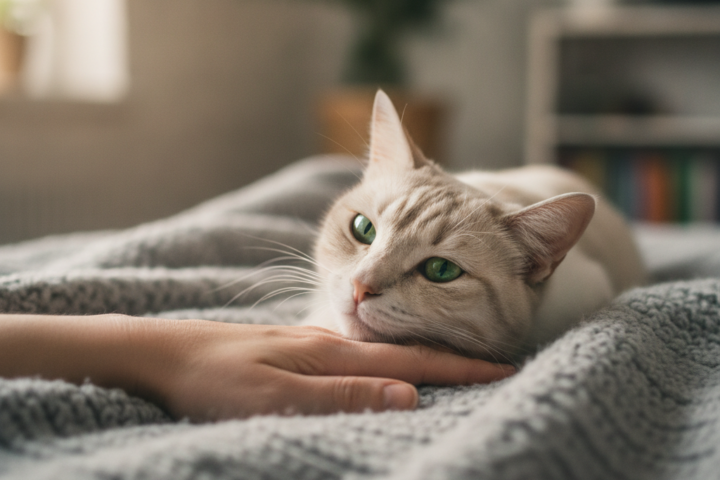
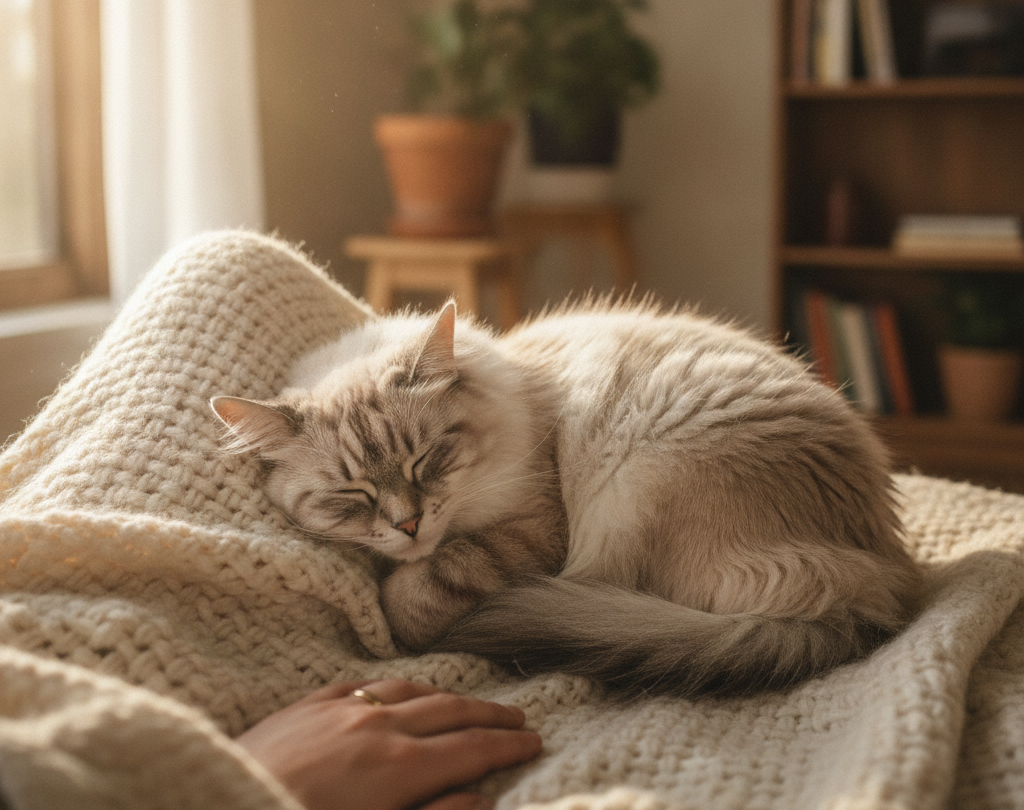
Your cat sleeps on you for a combination of deeply ingrained feline instincts and profound affection. It’s a clear sign of trust, a quest for warmth, and a way for them to bond with you by mixing their scent with yours. When your cat curls up on your lap, chest, or even your head, they’re not just seeking comfort; they’re communicating their sense of security, love, and belonging within your shared home.
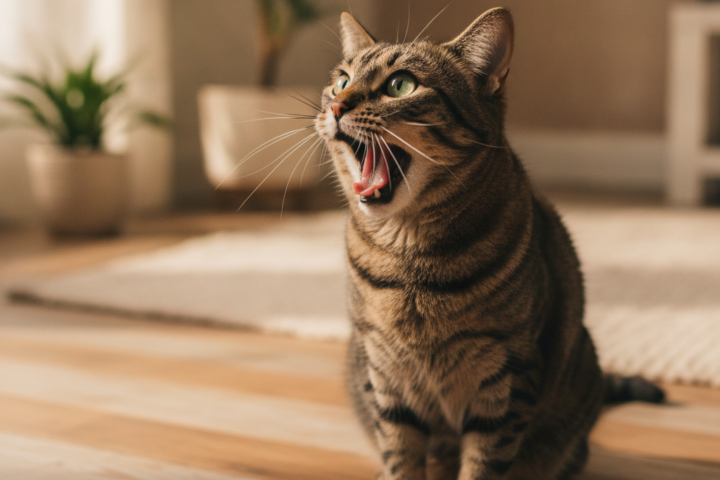
Cats often show affection in several subtle ways. You may also notice your cat kneading soft blankets or use changes in meowing patterns to understand what they need.
Table of Contents
Key Takeaways
- Cats seek out your body for its consistent warmth, which helps them conserve energy.
- Sleeping on you is a powerful display of trust, as they feel most vulnerable during sleep.
- They are marking you with their scent, reinforcing your shared bond and territory.
- Choosing specific spots like your chest offers security, stability, and closeness to your comforting sounds.
- Managing disrupted sleep can involve providing warm alternatives and consistent routines without making your cat feel rejected.
The Search for Ultimate Warmth
One of the primary reasons your cat transforms into a purring, furry heat-seeker is their natural drive for warmth. Cats have a slightly higher baseline body temperature than humans, typically ranging from 100.5°F to 102.5°F. This means they often feel chilly in environments that feel perfectly comfortable to us.
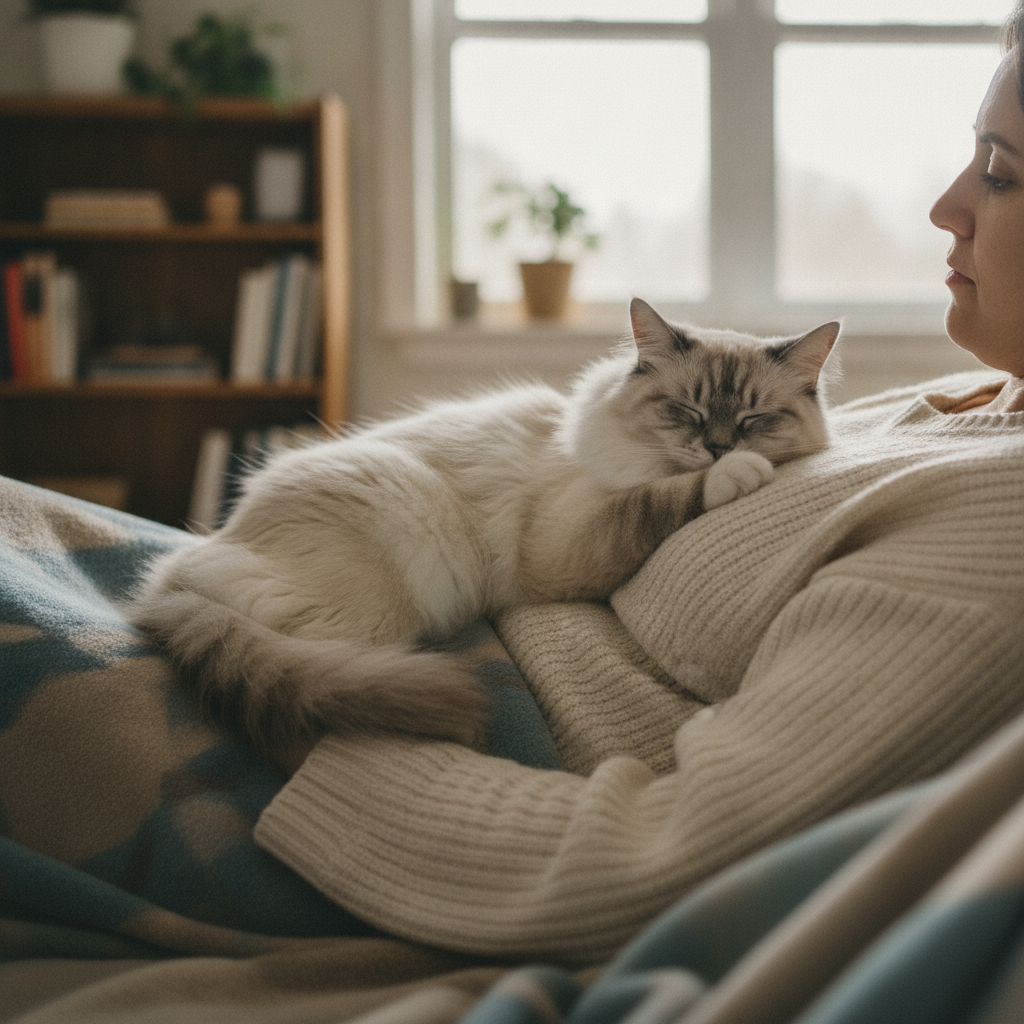
Your body acts like a living, breathing heating pad, providing a consistent source of warmth that is incredibly appealing to your feline friend. Seeking out these warm spots is also an instinctual way for cats to conserve energy. By allowing your body to do the work of keeping them cozy, they can save their metabolic energy for important activities like playing, grooming, and exploring.
Trust, Security, and Deep Bonding
Beyond warmth, your cat’s choice to sleep on you is a profound indicator of their trust and the deep bond you share. In the wild, sleep is a highly vulnerable state for any animal. A cat who chooses to sleep on your body is essentially saying, “I feel completely safe with you, and I trust you to protect me.”
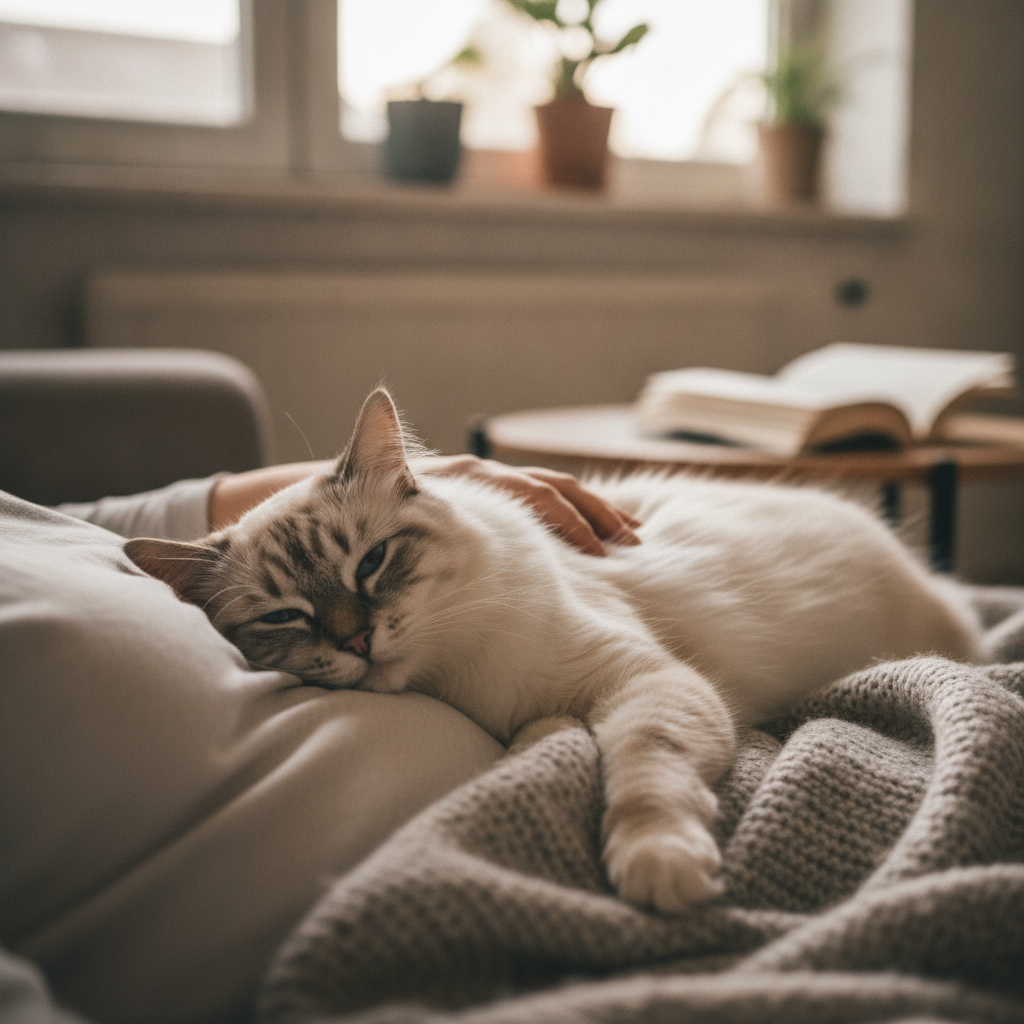
This closeness also taps into their comfort with familiar rhythms. Your steady heartbeat and the gentle rhythm of your breathing can act as a natural, calming white noise for your cat, reminiscent of the comfort they might have felt with their mother and littermates. This behavior reinforces their social attachment to you, making you an integral part of their “colony” or family.
Claiming Territory and Sharing Scent
Cats are highly territorial animals, and scent plays a crucial role in their world. They possess scent glands on various parts of their body, including their cheeks, chin, and paws. When your cat kneads, rubs their face against you, or simply rests on your body, they are actively mixing their unique scent with yours.

This “scent-swapping” is a way for them to mark you as part of their safe, familiar territory. It creates a shared, communal scent profile that signifies you belong together, much like a family. It’s a quiet but powerful statement that you are their human, and they are your cat.
Safety and Protection from Interruptions
You might notice your cat has a preference for specific spots, often your chest, lap, or even nestled beside your head. These elevated positions offer several benefits from a cat’s perspective. Your chest and upper torso provide a stable, slightly elevated platform that’s close to your face and voice, offering both comfort and a strategic vantage point.
By sleeping on you, your cat is also ensuring they are immediately aware the moment you wake up or shift position. This closeness acts as a form of security, preventing other household pets, or any perceived disruptions, from surprising them. Being a “velcro cat” means they want to be connected to their most trusted guardian, always aware of their movements and presence.
Practical Ways to Manage Nighttime Sleep Habits
While having your cat sleep on you is often a delightful sign of affection, it can sometimes disrupt your own sleep. If you find yourself needing more uninhibited space at night, there are gentle ways to encourage your cat to sleep nearby without hurting their feelings.
- Provide an Appealing Alternative: Cats are drawn to warmth. Offer a dedicated, cozy cat bed with a self-heating mat or a warm fleece blanket placed very close to your bed. The goal is to make their alternative sleeping spot even more appealing than you are.
- Establish a Routine: Cats thrive on routine. Engage in interactive play sessions right before your bedtime to satisfy their natural hunting cycle and expend some energy. Follow this with a small meal. A tired, fed cat is more likely to settle down for a restful night.
- Set Gentle Boundaries: If your cat insists on sleeping directly on you and it’s disruptive, gently move them to their dedicated spot nearby. Consistency is key; they will eventually learn that while they can be near you, your body isn’t always available as their personal pillow. Avoid punishment, as this can damage your bond.
Frequently Asked Questions
Does a cat sleeping on my chest mean they love me?
Absolutely! A cat sleeping on your chest is one of the clearest and most heartfelt signs of their affection and trust. It demonstrates they feel completely safe and secure with you, choosing the most vulnerable state—sleep—to share directly on your body. The sound of your heartbeat can also be very comforting to them.
Why does my cat only sleep on my legs instead of my chest?
Cats have individual preferences, and sleeping on your legs or feet offers several benefits. It still provides warmth, security, and proximity to you, but it gives them a bit more stable and less “mobile” surface than your chest or lap might be. It also allows them to maintain a slightly better vantage point of the room while still being connected to you, or perhaps they simply find the texture or warmth of your lower body more appealing.
Should I let my cat sleep in my bed with me?
Whether you let your cat sleep in your bed is a personal choice. Many pet owners find it incredibly comforting and a wonderful way to bond. The main considerations are your own sleep quality, potential allergies, and hygiene. If you choose to share your bed, ensure your cat is well-groomed and has up-to-date parasite prevention. If your sleep is constantly disrupted, it might be better to encourage them to sleep in a warm, cozy bed right next to yours.
Why did my cat suddenly stop sleeping on me?
A sudden change in a cat’s behavior, including where they choose to sleep, can sometimes be a subtle indicator of a deeper issue. While it could simply be a change in ambient room temperature, new furniture, or a shift in their routine, it’s also worth considering other possibilities. If the change is accompanied by other unusual behaviors, a decrease in appetite, lethargy, or signs of discomfort, it’s always best to consult with your veterinarian to rule out any underlying health concerns.