It’s natural to wonder why your dog seems to be sleeping so much, especially if their habits appear to change. Most dogs, just like people, have varying energy levels throughout the day and require significant rest. Understanding whether your dog’s sleep is normal or a sign of an underlying issue involves observing their typical patterns, responsiveness, and overall behavior. This article will help you distinguish between a well-rested pup and one who might need a closer look from your veterinarian.
Daily patterns matter when judging sleep. Compare your dog’s rest with our walking frequency guide and learn why dogs follow their owners.
Table of Contents
Key Takeaways
- Adult dogs typically sleep 12-14 hours daily, while puppies and senior dogs often need 18-20 hours.
- Increased sleep can be normal due to age, physical exertion, boredom, or changes in routine.
- Lethargy, unlike normal sleep, involves a lack of interest in usual activities, difficulty waking, or unresponsiveness.
- Sudden or persistent excessive sleep, especially with other symptoms like vomiting or appetite loss, warrants a vet visit.
How Many Hours Do Dogs Actually Sleep?
The amount of sleep your dog needs can vary significantly based on their age, breed, and activity level. Establishing a baseline for what’s normal for your specific companion is the first step in understanding their resting habits.

Generally, healthy adult dogs tend to sleep between 12 and 14 hours over a 24-hour period. This isn’t all at once, but rather a combination of long stretches overnight and several naps throughout the day. Their sleep cycle includes both light dozing and deeper REM (Rapid Eye Movement) sleep, much like humans.
Puppies and senior dogs typically require much more rest. Growing puppies, with their bursts of energetic play and rapid development, often need 18 to 20 hours of sleep per day. Similarly, older dogs, whose bodies are managing the aging process, may also spend 18 to 20 hours resting daily. This increased need for sleep is a normal part of their life stage. Certain working breeds or very high-energy dogs might also sleep more deeply and for longer periods after intense physical activity, helping their bodies recover.
Normal Reasons Your Dog Might Be Sleeping More
Sometimes, an increase in your dog’s sleep isn’t a cause for concern but rather a natural response to their environment or daily activities. Many non-medical factors can influence how much your dog rests.

One common reason is simply boredom. If your dog isn’t getting enough mental stimulation or physical exercise, they might resort to sleeping out of habit or a lack of anything else to do. Think about if their routine has changed, or if there are fewer interactive toys or play sessions available.
External factors can also play a role. Changes in household routines, such as owners working longer hours or a shift in family schedules, can alter a dog’s activity patterns. Weather changes, like a particularly rainy or cold day, might also make your dog less inclined to go outside, leading to more indoor napping. Similarly, a dog who has just had an exceptionally long hike, an extended play session at the dog park, or an intense training class will naturally need more recovery time, leading to deeper and more prolonged rest.
When Sleep Becomes Lethargy: Spotting the Difference
Distinguishing between normal, relaxed sleep and concerning lethargy is crucial for any pet owner. While a sleeping dog looks peaceful, a lethargic dog often displays other signs that indicate something is wrong beyond simple rest.
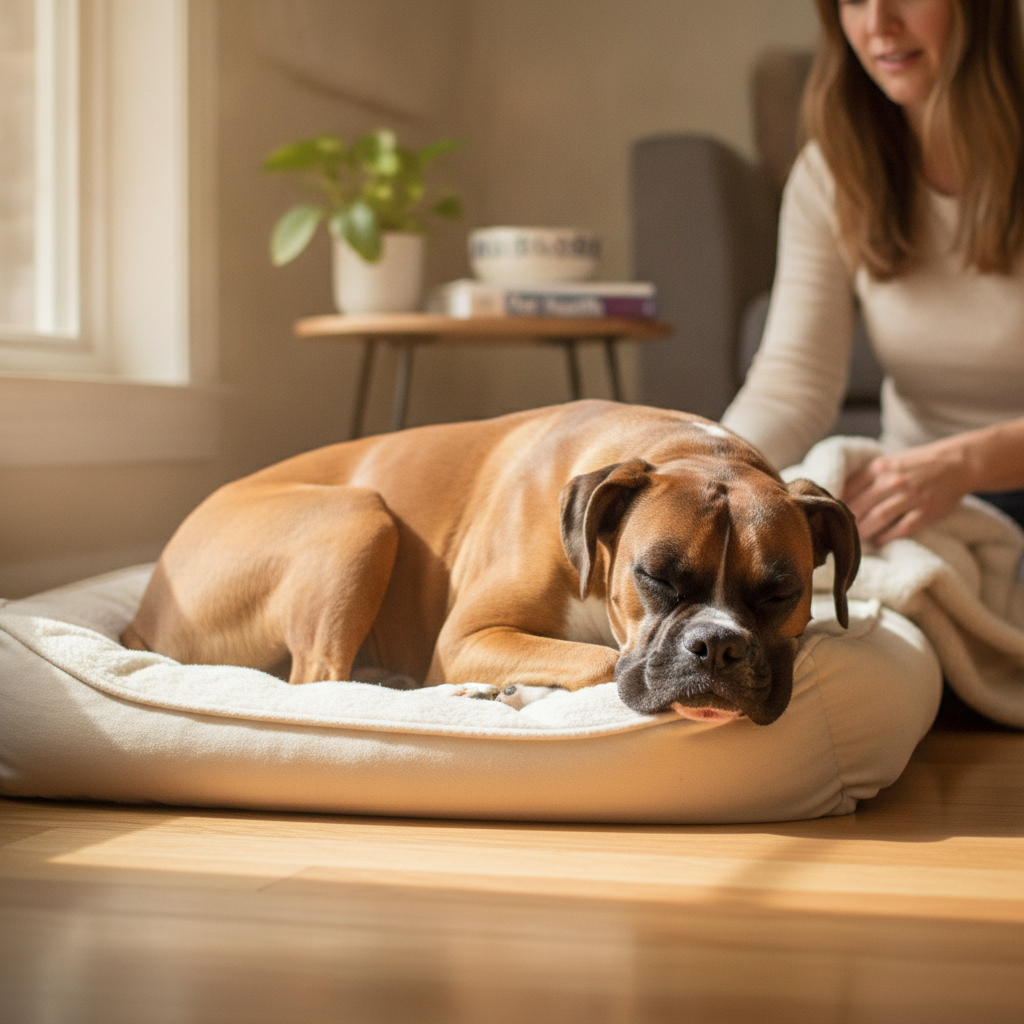
Lethargy involves a noticeable lack of energy, responsiveness, and enthusiasm. A lethargic dog might be disinterested in things they usually love, such as their favorite meal, going for a walk, or engaging in interactive play. They might also be difficult to rouse or appear confused when they do wake up. In contrast, a normally sleeping dog will typically wake up easily and enthusiastically when prompted by a mealtime, the jingle of a leash, or an offer of play.
Observe not just the duration of sleep, but also its quality and context. Is your dog just resting peacefully in the same room as you, or are they actively hiding, staying immobile in an unusual spot, or showing no interest in their surroundings? A dog who is simply resting will often change positions, sigh contentedly, and remain aware of nearby sounds and movements. A truly lethargic dog often lacks these subtle signs of engagement.
Underlying Health Issues Associated with Excessive Sleep
If your dog’s increased sleep goes beyond normal patterns or is accompanied by other worrying symptoms, it could be a sign of an underlying health issue. It’s important to remember that these possibilities should always be explored by a veterinarian, not self-diagnosed.
Pain is a common culprit. Conditions like arthritis, hip dysplasia, or even an acute injury can make movement difficult and uncomfortable, causing a dog to rest more to avoid exacerbating their pain. They might be reluctant to stand, climb stairs, or jump onto furniture.
Systemic issues can also significantly impact a dog’s energy levels. These may include metabolic changes, such as hypothyroidism (an underactive thyroid), which slows the body’s metabolism and leads to fatigue. Infections (bacterial, viral, or fungal), heart disease, kidney problems, or even certain cancers can manifest as increased sleepiness and overall weakness. Anemia, which reduces oxygen flow in the body, will also cause a dog to feel constantly tired.
In older dogs, cognitive dysfunction syndrome (often compared to Alzheimer’s in humans) can alter normal sleep-wake cycles. This might lead to increased sleeping during the day and restlessness or disorientation at night.
When to Call Your Veterinarian
Knowing when to seek professional medical guidance is paramount for your dog’s health. While some extra napping might be harmless, certain signs warrant immediate attention from your veterinarian.
You should consult a vet if your dog’s excessive sleeping appears suddenly, is severe, or is accompanied by other concerning symptoms. These red flags include:
- Vomiting or diarrhea
- Significant weight loss or gain
- Changes in appetite (either decreased or increased)
- Labored breathing, coughing, or sneezing
- Increased thirst or urination
- Reluctance to move, lameness, or visible pain
- Swelling in any part of the body
- Changes in gum color
- Any unusual discharge
- Disorientation or confusion
- Seizures
Before your appointment, prepare notes on your dog’s daily routine, including their typical sleep schedule, appetite, water intake, and exercise habits. Document any specific behavioral shifts you’ve observed, such as when the increased sleeping began and what other symptoms, if any, have appeared. This information will be invaluable to your vet in making an accurate diagnosis.
Regular wellness checks are also essential, especially as your dog ages. These routine visits can help catch age-related conditions or other health issues early, often before they become severe or lead to significant changes in your dog’s sleep patterns.
Frequently Asked Questions
Is it normal for my dog to sleep all day while I am at work?
Yes, it can be quite normal, especially if your dog is an adult and you provide adequate exercise and mental stimulation before and after your workday. Many dogs adjust their sleep patterns to their owner’s schedule, resting heavily when alone and becoming more active when their family is home. However, ensure they aren’t sleeping out of boredom; offer engaging toys or consider a dog walker if you suspect they need more activity during the day.
Do dogs dream during their sleep?
Yes, dogs do dream! You might observe twitching paws, soft barks, or rapid eye movements under their eyelids during their REM sleep phase. These are all signs that your dog is actively dreaming, likely processing their daily experiences, chasing imaginary rabbits, or playing with their favorite toys.
How can I tell if my senior dog’s sleeping habits are due to aging or pain?
While increased sleep is normal for senior dogs, distinguishing it from pain requires careful observation. Look for other signs of discomfort: difficulty getting up, reluctance to climb stairs, limping, changes in gait, vocalizations when touched, loss of appetite, or irritability. If you notice any of these alongside increased sleep, it’s best to consult your veterinarian to rule out conditions like arthritis or other age-related pain.
Should I wake my dog up if they are sleeping too much?
Generally, it’s best not to wake a sleeping dog unless absolutely necessary, especially if you suspect they are in deep REM sleep, as sudden waking can startle them. Instead, observe their overall behavior. If you’re concerned about excessive sleep, try to gently entice them with a familiar sound or a treat to see if they wake easily and respond normally. If they are difficult to rouse, unresponsive, or seem lethargic upon waking, then it’s time to contact your vet rather than repeatedly trying to wake them.
Ultimately, understanding your dog’s sleep habits is part of being a vigilant and caring pet owner. By paying close attention to their normal patterns and recognizing the subtle shifts that might signal a problem, you can ensure your beloved companion receives the care they need, whether that’s more playtime, a cozy nap spot, or a visit to the veterinarian.