

The primary signs of a dog ear infection often include frequent head shaking, persistent scratching or pawing at the ear, and noticeable redness or swelling inside the ear flap. You might also detect an unusual odor or see discharge, which could be brown, yellow, or even bloody. These symptoms indicate discomfort and require attention, as an untreated ear infection in dogs can become painful and lead to further complications.
Table of Contents
Key Takeaways
- Head shaking, odor, redness, pain, and discharge can indicate an ear problem.
- Yeast, bacteria, parasites, allergies, or foreign material may look similar, so treatment depends on diagnosis.
- Head tilt, balance problems, severe pain, or neurological changes need prompt veterinary attention.
Veterinary reference: The Merck Veterinary Manual lists head shaking, odor, redness, swelling, scratching, and discharge among common signs. Head tilt or balance problems need prompt veterinary attention.
Quick Answer: Common Signs of a Dog Ear Infection
Recognizing the early signs of a dog ear infection is key to ensuring your furry friend gets prompt care. Here are the most prominent indicators:
- Frequent Head Shaking or Tilting: Your dog might shake their head vigorously or tilt it to one side, trying to dislodge something or alleviate discomfort.
- Scratching or Pawing at the Affected Ear: Persistent scratching, rubbing their ear on furniture, or pawing directly at the ear is a strong sign of irritation.
- Redness, Swelling, or Heat Inside the Ear Flap: When you gently lift your dog’s outer ear flap (the pinna), you might notice the skin is inflamed, warm to the touch, or visibly swollen.
- Unusual Odor or Discharge: A tell-tale sign is a distinct, unpleasant smell coming from the ear canal, often accompanied by visible waxy, watery, or pus-like discharge.
Behavioral Changes to Watch For
Beyond the physical symptoms, an ear infection can significantly affect your dog’s demeanor. They might become more withdrawn or show signs of pain, especially when the affected area is touched. Observing these shifts in behavior can help you understand the extent of their discomfort.
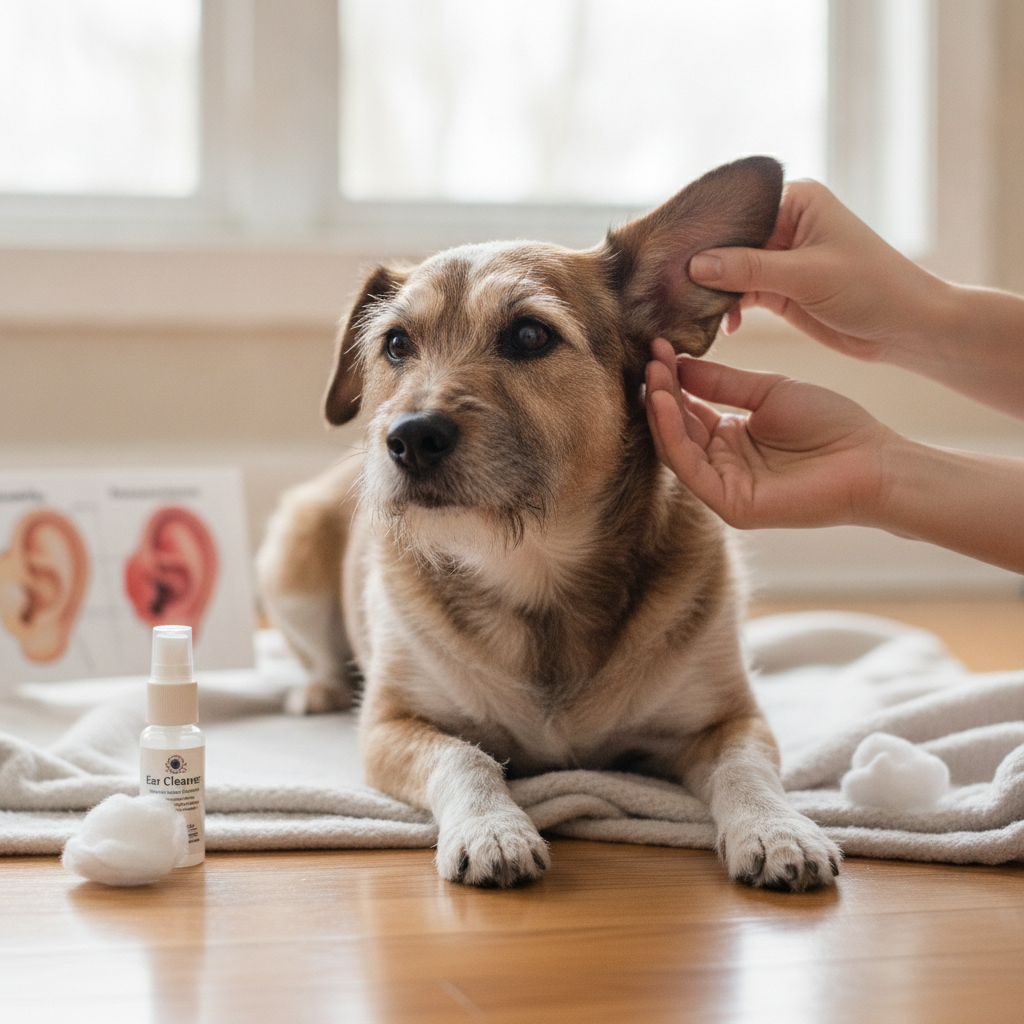
An increase in irritability is common. Your normally friendly dog might become grumpy or reluctant to be petted, particularly around their head or ears. They may yelp or pull away if you try to touch the ear area, indicating pain.
In more severe or advanced cases, dogs might experience a loss of balance or appear clumsy. This can happen if the infection spreads deeper into the inner ear, affecting their vestibular system, which controls balance. You might notice them stumbling or walking in circles.
Physical Symptoms Inside and Around the Ear
A closer look at your dog’s ears can reveal specific physical indicators of an infection. While it’s important to be gentle and avoid causing pain, a careful visual check can provide valuable information.
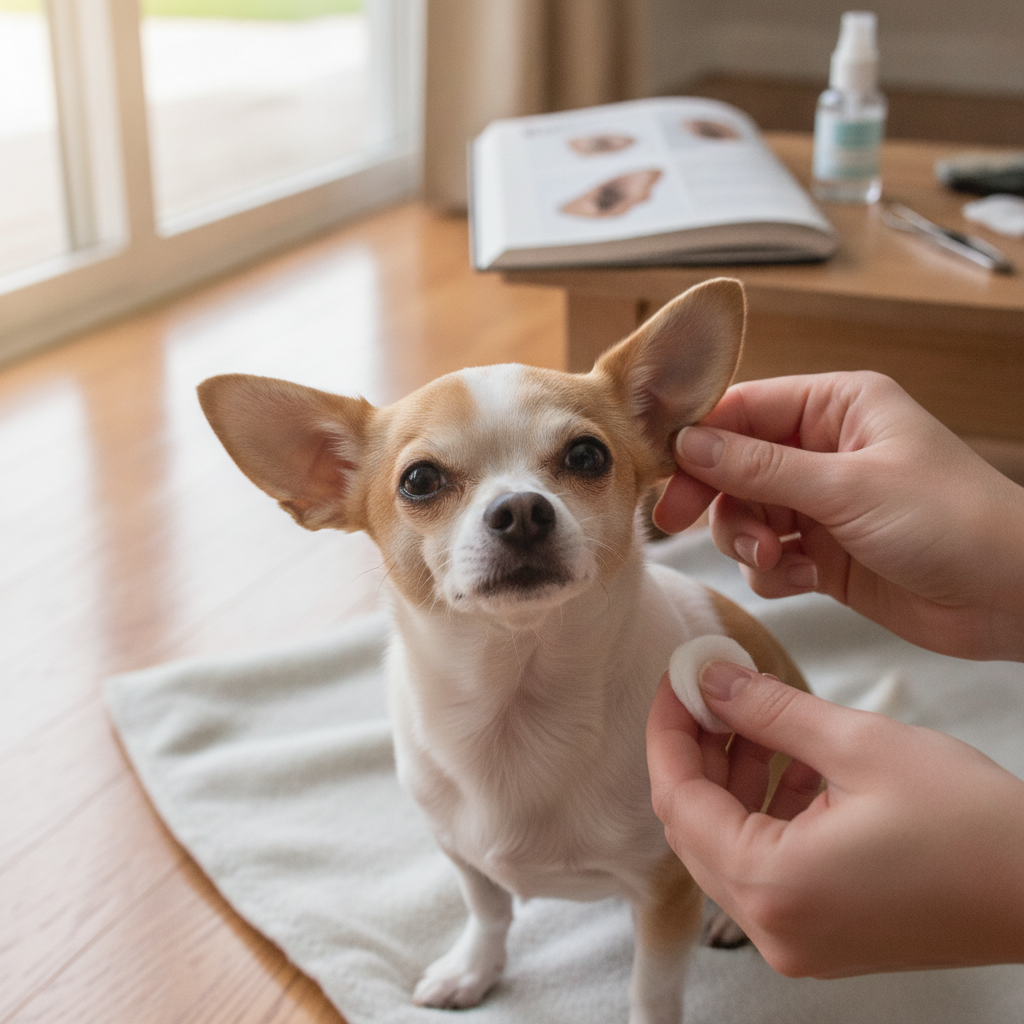
Pay attention to any dog ear discharge. This can vary in color and consistency. You might see brown, waxy buildup, yellow pus-like discharge, or even discharge tinged with blood. The type of discharge can sometimes hint at the underlying cause, such as yeast or bacterial overgrowth.
Another significant sign is a strong, often foul odor emanating from the ear canal. This smell can be yeasty or distinctly unpleasant, a direct result of bacterial or yeast proliferation within the ear. You might also observe crusty or scabby skin on the outer ear flap or around the opening of the ear, which can be caused by scratching or the drying of discharge.
Common Underlying Causes
Ear infections, medically known as otitis externa, can stem from various sources. Understanding these common triggers can help you work with your veterinarian to prevent future occurrences once the current infection is treated.
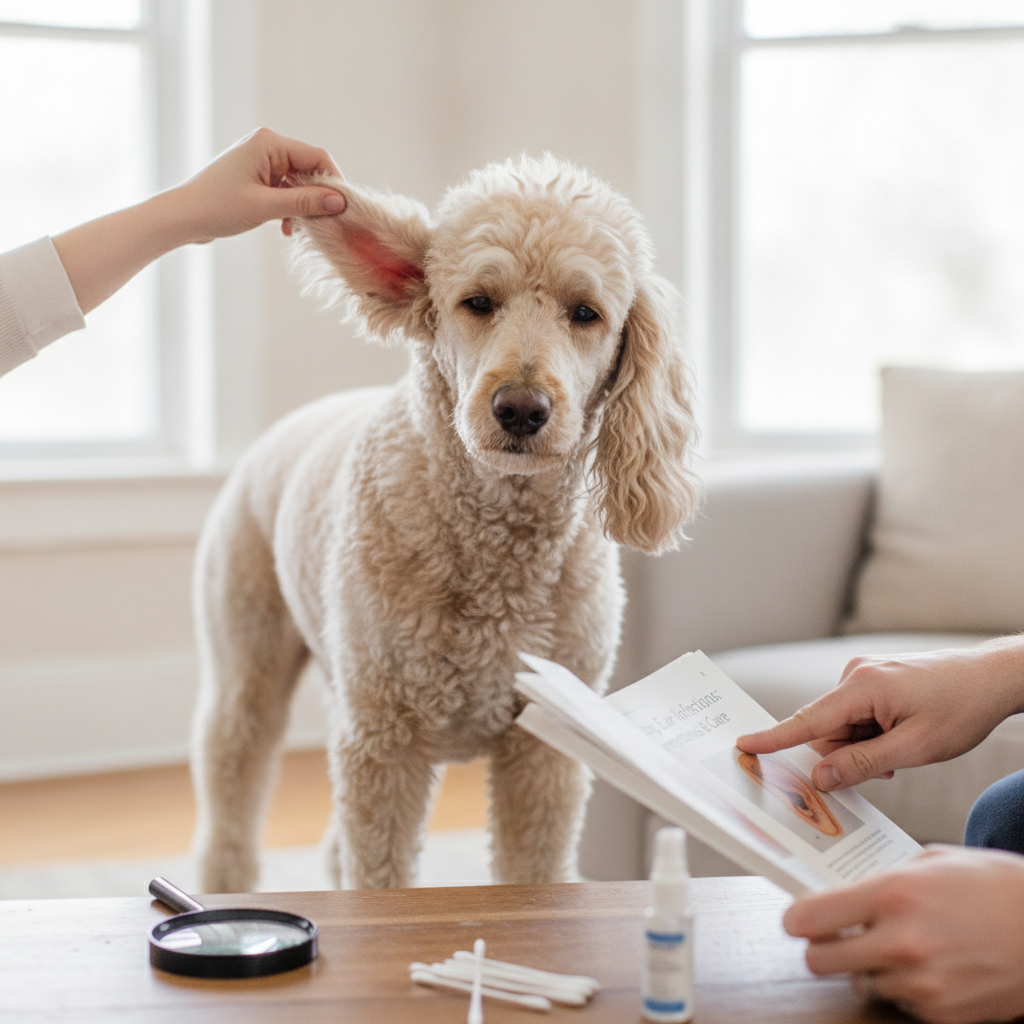
One frequent culprit is moisture trapped deep within the ear canal. Dogs who swim often or aren’t thoroughly dried after baths are particularly susceptible. The warm, moist environment creates an ideal breeding ground for yeast and bacteria.
Allergies, whether environmental (like pollen) or food-related, are also a very common underlying cause of chronic ear problems. When a dog has allergies, their immune system can react by causing inflammation and irritation in the ears, leading to secondary infections. Ear mites, tiny parasites, are another common cause, especially in puppies, creating intense itchiness. Occasionally, a foreign object, like a grass seed, can become lodged in the ear, or excessive wax buildup can block the canal, leading to infection.
When to Contact Your Veterinarian
If you notice any signs of a dog ear infection, it’s always best to contact your veterinarian promptly. Ear infections can be very painful and, if left untreated, can lead to more serious problems, including hearing loss or spread of infection.
It is crucial to avoid using home remedies or over-the-counter ear drops without a proper diagnosis from a vet. Some treatments can worsen the condition or damage the ear, especially if the eardrum is ruptured, which can only be determined by a professional examination. Your veterinarian will safely assess the ear canal and eardrum.
Seek prompt veterinary care if you observe red flags such as severe pain (your dog cries when you touch their ear), discharge that is bloody or pus-like, a sudden onset of head tilting or balance issues, or if the symptoms are worsening rapidly. During a professional ear examination, your vet will likely use an otoscope to look deep into the ear canal, take a swab of any discharge for microscopic analysis (to identify yeast or bacteria), and then prescribe the appropriate medication, which might include ear drops, oral antibiotics, or anti-inflammatory drugs.
Frequently Asked Questions About Dog Ear Infections
Can dog ear infections go away on their own?
Dog ear infections typically do not go away on their own. They usually require veterinary intervention to identify the specific type of infection (bacterial, yeast, or mites) and the underlying cause. Without proper treatment, infections can become more severe, chronic, painful, and potentially lead to complications like middle or inner ear infections, or even permanent hearing damage.
How do vets diagnose an ear infection in dogs?
Veterinarians diagnose an ear infection by first performing a thorough physical examination, including a careful inspection of the outer ear (pinna) and using an otoscope to look deep into the ear canal and at the eardrum. They will often collect a sample of any ear discharge with a cotton swab and examine it under a microscope (cytology) to identify yeast, bacteria, or ear mites. In some cases, a culture and sensitivity test may be recommended to determine the most effective antibiotic.
Can I clean my dog’s infected ears at home?
It is generally not recommended to clean your dog’s infected ears at home without specific instructions from your veterinarian. While regular cleaning can help prevent infections, an existing infection requires careful handling. Improper cleaning can push debris further into the ear, irritate already inflamed tissue, or even damage the eardrum if not done correctly. Your vet may prescribe a specific ear cleaner and show you the correct technique to use as part of the treatment plan.