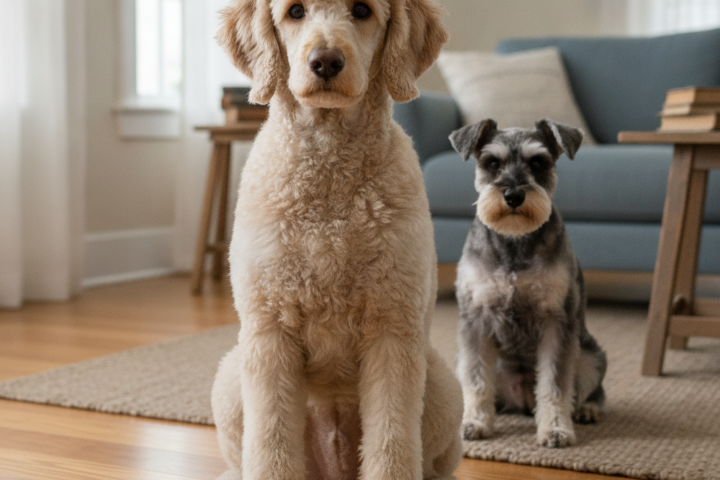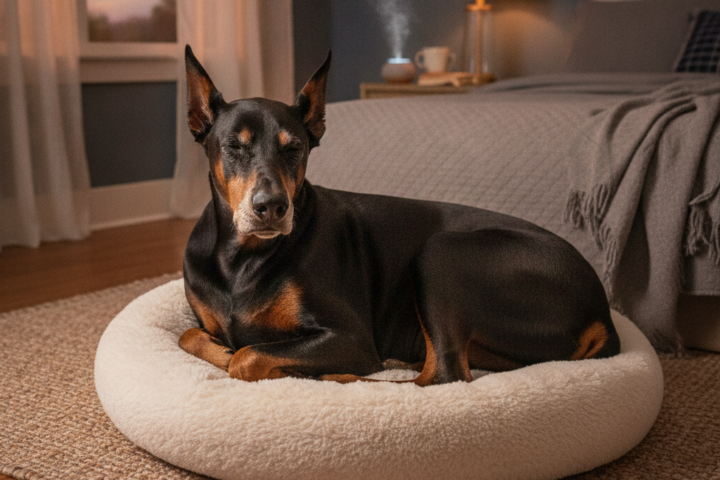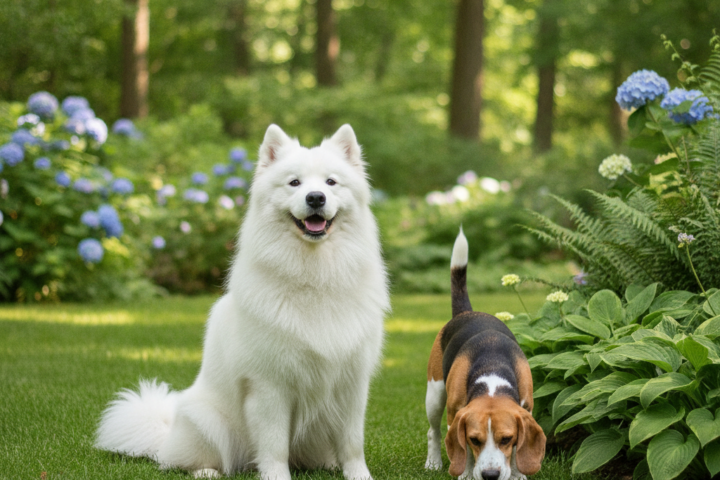
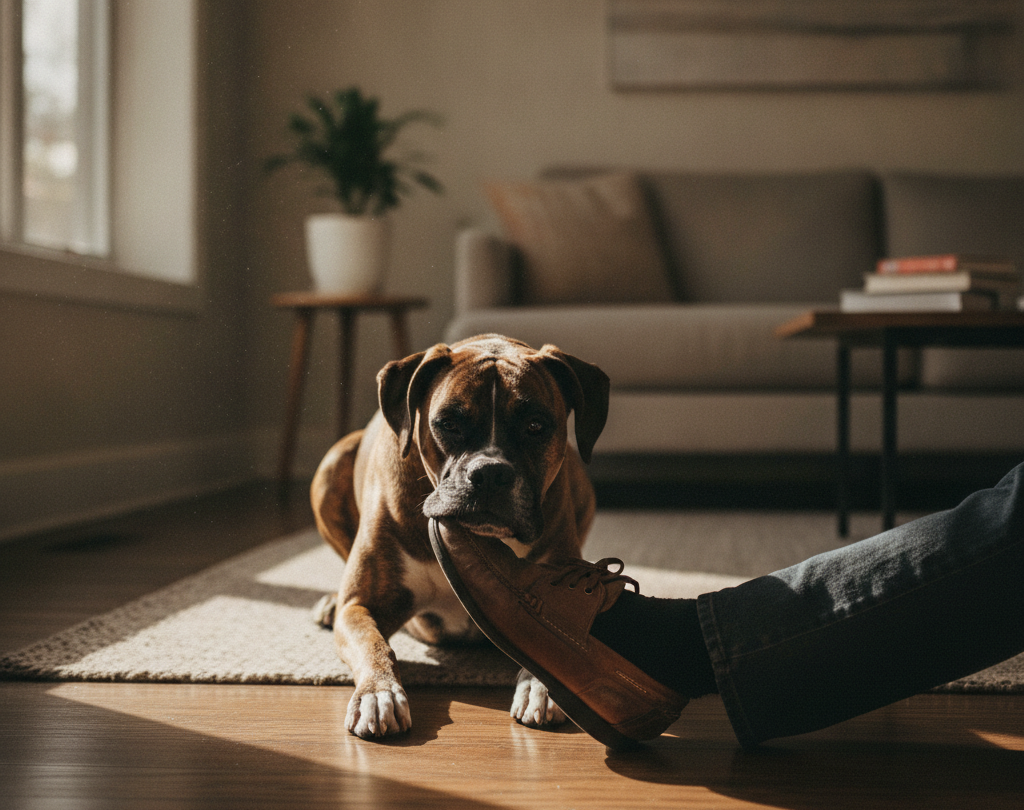
If your dog seems to be your shadow, following you from room to room as you go about your day, you’re experiencing what many owners affectionately call a “velcro dog.” This common behavior often stems from a blend of their natural pack instincts, generations of selective breeding for companionship, and simple curiosity. While delightful, it’s also important to understand the nuances. Sometimes this constant companionship can signal underlying anxiety rather than just pure affection. Knowing the difference is key to fostering a happy, confident, and appropriately independent canine companion.
A predictable daily routine can help many dogs feel secure. Start with an appropriate walking schedule for your dog’s age and energy, and use the same calm structure when introducing a dog to a resident cat.
Table of Contents
Key Takeaways
- Natural Connection: Dogs are social and often follow their humans out of affection, curiosity, and a sense of security.
- Warning Signs: Persistent shadowing combined with distress signals like whining, panting, or destruction when you prepare to leave or are truly absent may indicate separation anxiety.
- Encourage Independence: Use positive reinforcement to teach your dog to be comfortable in their own designated space and with engaging toys.
- When to Seek Help: Consult a vet or professional trainer if clinginess is sudden, severe, or accompanied by other concerning changes.
Normal Canine Attachment vs. Problematic Clinging
At their core, dogs are social animals. They descended from pack-dwelling ancestors and thrive on companionship, naturally seeking to be near those they consider part of their family. This deep-seated need for connection is a primary reason why your dog follows you everywhere.
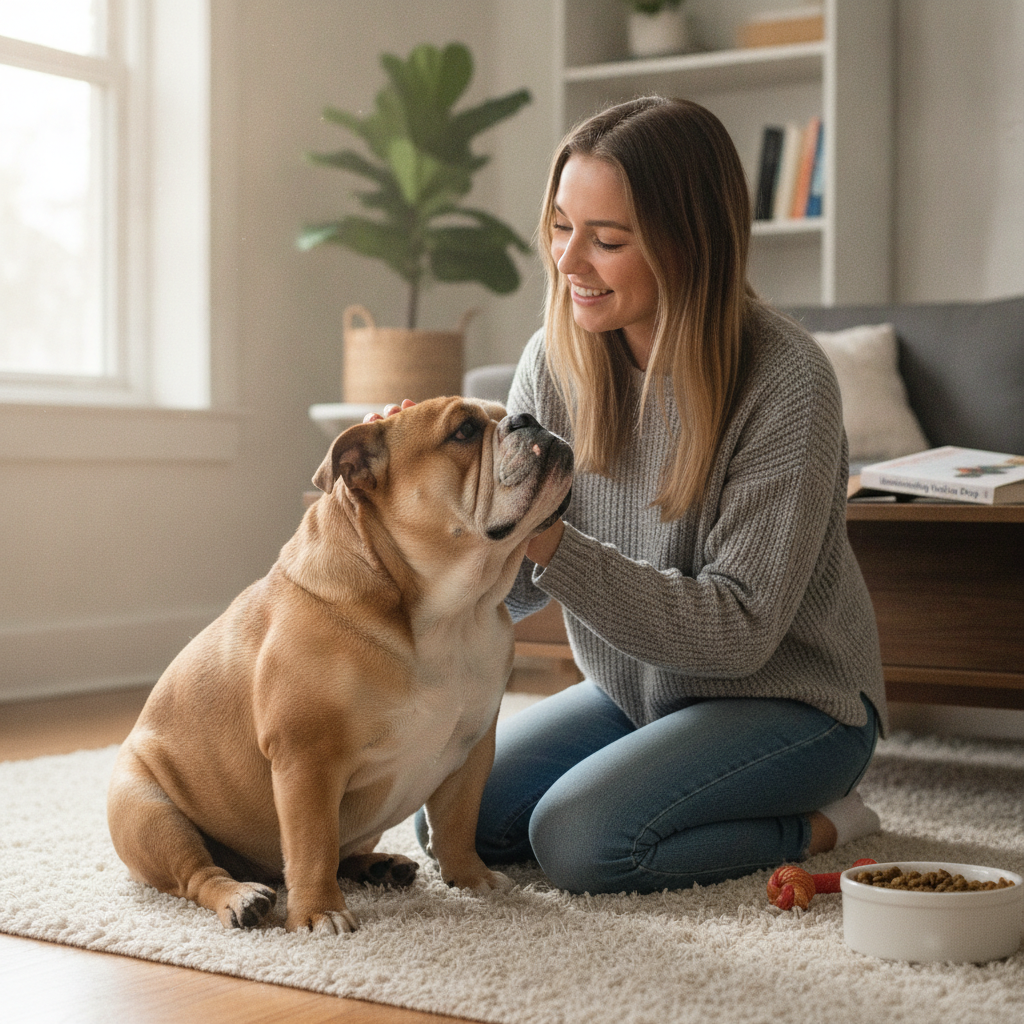
Beyond their innate social wiring, centuries of selective breeding have refined traits that encourage dogs to stay close to humans. Whether they were bred for herding livestock, hunting alongside people, or simply providing comfort, many breeds have an inherent desire to be near their human counterparts. This close bond is often a testament to their loyalty and love.
Curiosity also plays a major role. Your dog is likely interested in what you’re doing, especially if your activity might involve food, a walk, or playtime. Moving from the living room to the kitchen, for example, often sparks their hope that a treat or meal might be involved, leading them to follow eagerly.
Recognizing the Signs of Separation Anxiety
While a dog following you can be endearing, it’s important to distinguish between affectionate closeness and a deeper, more problematic clinginess that stems from anxiety. A dog with true separation anxiety experiences panic and distress when separated from their primary attachment figure, even for short periods.
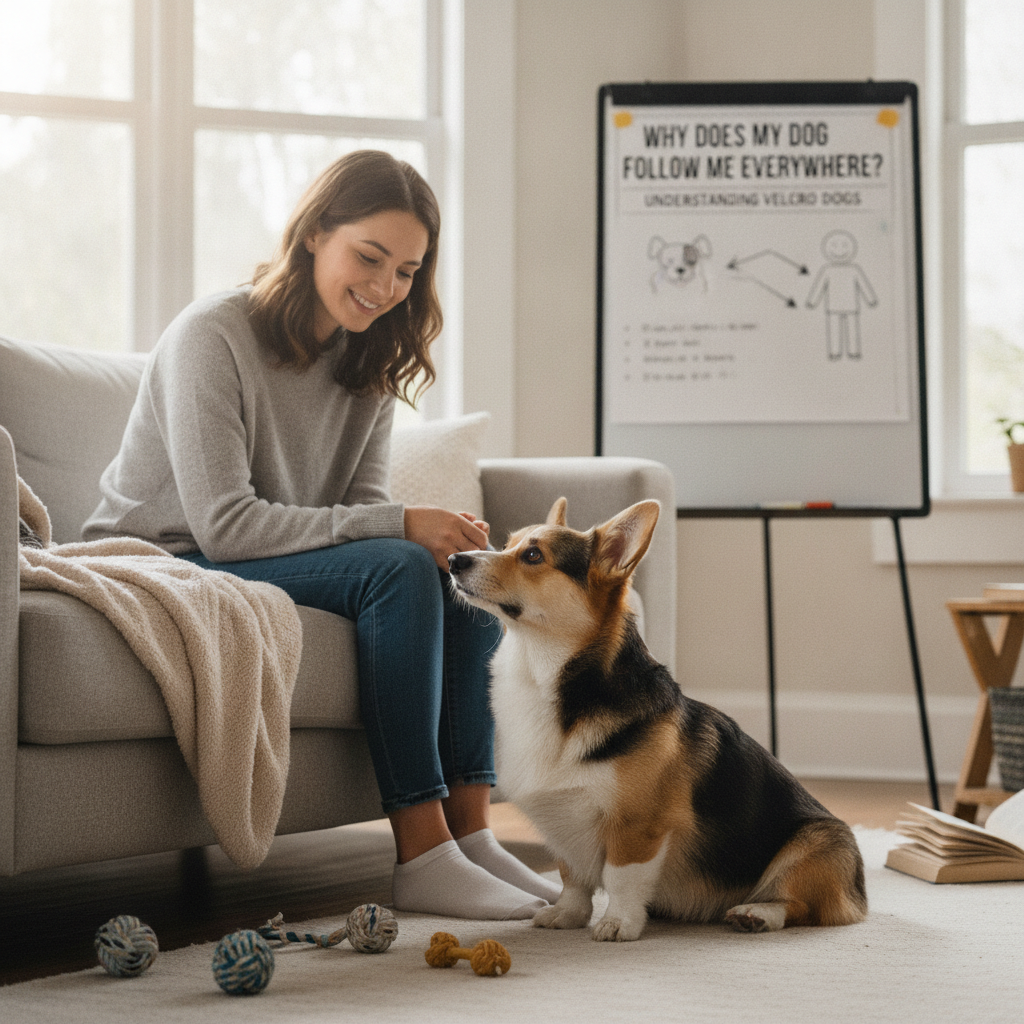
One key indicator is how your dog reacts when you prepare to leave the house. Do they become visibly distressed, panting, whining, or pacing when you grab your keys or put on your shoes? This shadowing behavior combined with a panic response to your departure cues is a significant red flag.
Beyond the pre-departure anxiety, actual distress signals often occur when you are gone. These can include excessive drooling, destructive chewing (especially around entry and exit points), inappropriate urination or defecation inside the house, persistent barking or howling, and intense pacing. The crucial difference is whether your dog merely wants to be near you or if they are genuinely unable to cope without your presence.
Practical Ways to Encourage Healthy Independence
If you suspect your dog’s shadowing leans more towards anxiety, or if you simply want to foster a healthier level of independence, there are gentle, positive reinforcement strategies you can employ. The goal is to help your dog feel secure and content when they aren’t constantly by your side.
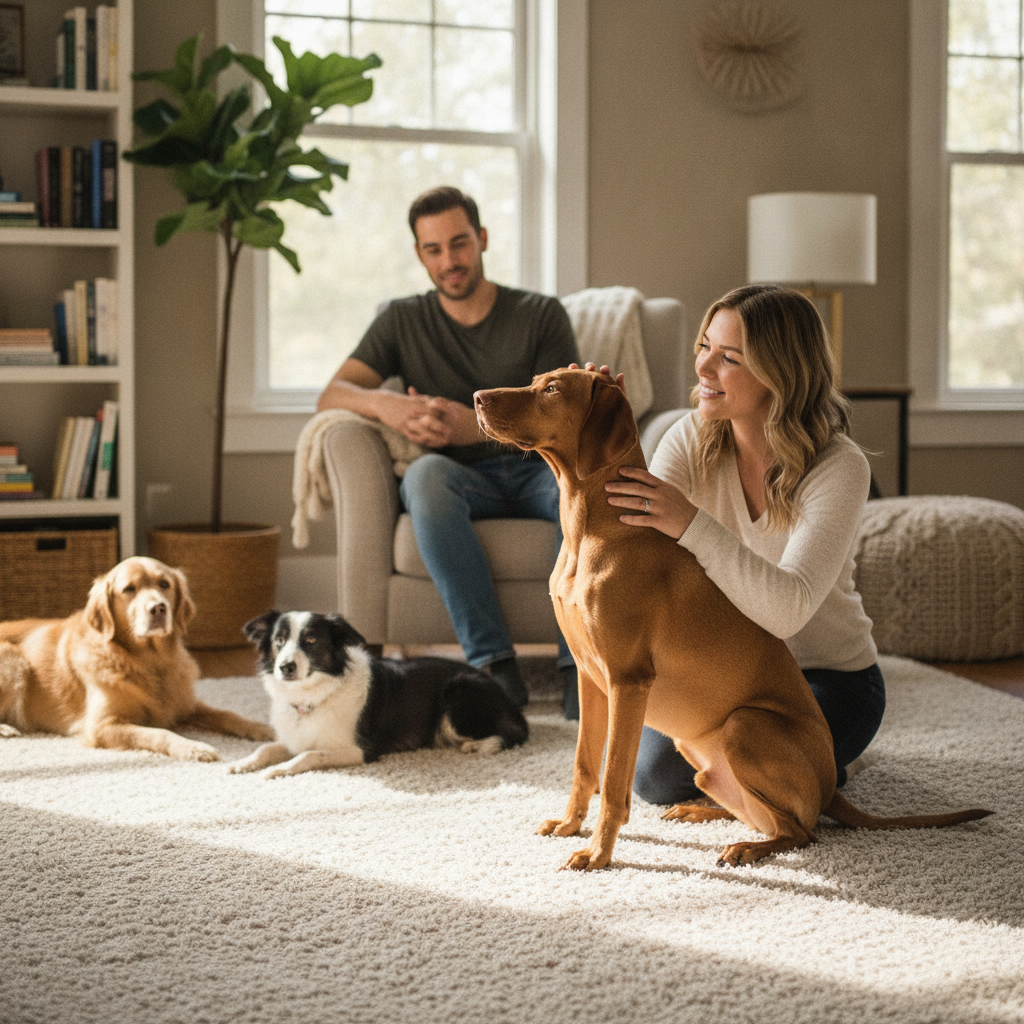
Introduce the concept of “place training.” This involves teaching your dog to go to a designated spot, like a comfortable bed or mat, and stay there calmly. Use high-value treats and praise to reward them for settling in their spot, gradually increasing the time they spend there while you are in the same room, but not interacting with them.
Offer long-lasting puzzle toys or chews that can occupy your dog independently. Fill a puzzle toy with safe, high-value treats and offer it to them while they are on their mat or in another room. This teaches them to associate being alone or slightly separated from you with a positive, engaging activity. Always ensure any chew toys or treats are appropriate for your dog’s size and chewing habits to prevent choking hazards.
Practice desensitization to your departures. Start by leaving a room for just a few seconds, then returning casually without fuss. Gradually increase the duration of your absence, moving from minutes to longer periods. Avoid dramatic goodbyes or overly enthusiastic hellos, as these can heighten anxiety. The aim is to make your comings and goings feel mundane.
When to Consult a Professional or Veterinarian
While many “velcro dogs” are simply affectionate, certain signs warrant professional attention. If your dog’s shadowing behavior or clinginess has a sudden onset, especially if paired with lethargy, limping, loss of appetite, or signs of pain, it’s crucial to consult your veterinarian first. A sudden change in behavior can often be a symptom of an underlying medical issue.
If your dog displays severe anxiety behaviors—such as intense destructive chewing, self-harm, constant vocalization, or house soiling—that do not improve with consistent environmental adjustments and positive training, seeking expert support is highly recommended. These behaviors can be very distressing for both the dog and the owner.
Working with a certified professional dog trainer or a veterinary behaviorist can provide tailored strategies for managing and modifying complex anxiety behaviors. These experts can help identify triggers, develop a comprehensive behavior modification plan, and recommend medication if necessary, helping your dog lead a more comfortable and independent life.
Frequently Asked Questions
Is it normal for my puppy to follow me everywhere?
Yes, it’s very normal for puppies to follow you everywhere. They are learning about their new environment and forming strong bonds. They see you as their primary source of safety, food, and comfort, and they’re naturally curious. As they grow and gain confidence, they often become a bit more independent, but early clinginess is a healthy part of their development.
Can older dogs develop sudden clinginess?
Absolutely. A sudden onset of clinginess in an older dog should always prompt a visit to the veterinarian. It can be a sign of pain, discomfort, vision or hearing loss, or even cognitive decline (canine dementia), which can make them feel more vulnerable and reliant on your presence. Rule out medical issues first.
Should I punish my dog for following me into every room?
No, you should never punish your dog for following you. This behavior often comes from a place of affection, curiosity, or insecurity. Punishing them can damage your bond, create fear, and exacerbate any underlying anxiety, making the problem worse. Instead, focus on positive reinforcement and teaching them independent coping skills.
How can I tell if my dog is bored or anxious?
While both can lead to unwanted behaviors, the key difference lies in the context. A bored dog might follow you seeking engagement, but generally settles when ignored or given a toy. An anxious dog, particularly one with separation anxiety, will often show signs of distress specifically related to your absence or impending absence. These include whining, pacing, panting, destructive behavior when alone, or frantic greetings upon your return. A bored dog might just be looking for something to do; an anxious dog is struggling to cope.
Understanding why your dog shadows you is the first step toward building a healthy, balanced relationship. Whether it’s pure affection or a call for help, addressing their needs with patience, positive training, and professional guidance when necessary, will ensure your furry companion feels loved and secure, both by your side and when they’re enjoying their own space.