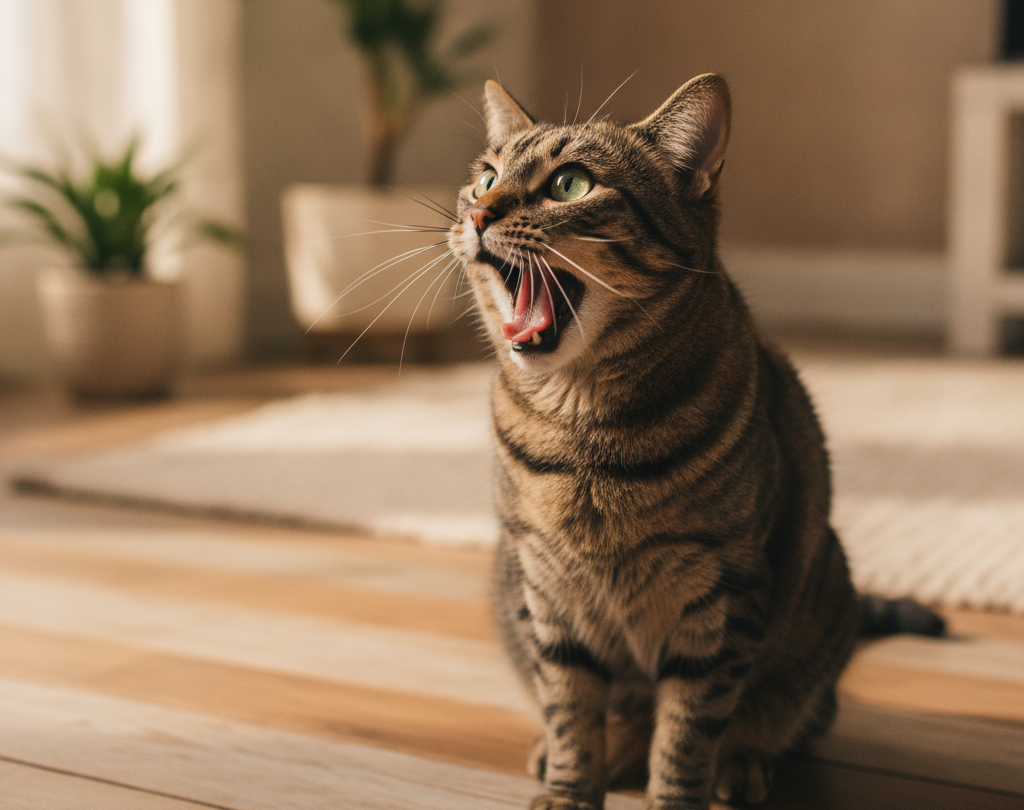
If your cat has suddenly become more vocal, meowing much more than usual, it’s natural to feel concerned or wonder what’s going on. Increased meowing is almost always your cat trying to communicate something important to you. Sometimes, it’s a simple request for food or attention, but other times, it can be a sign of stress, boredom, or even an underlying health issue. Understanding the context and type of their meow can help you decode their message and take the right steps to address their needs safely and effectively.
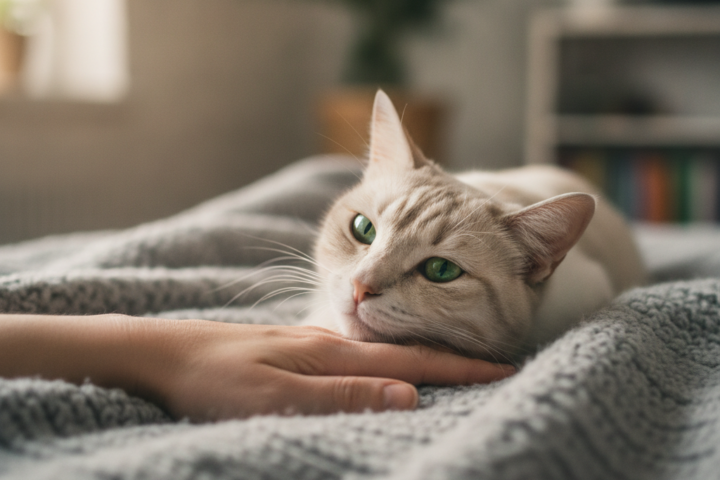
Vocal behavior makes more sense when considered with your cat’s other habits. Notice whether your cat also seeks closeness while sleeping or kneads blankets when feeling secure.
Table of Contents
Key Takeaways
- A noticeable increase in your cat’s meowing is a call for attention or a sign something has changed.
- Common reasons include hunger, boredom, stress from routine changes, or seeking interaction.
- New or excessive meowing, especially in older cats, can indicate a medical problem requiring veterinary attention.
- Responding constructively with enrichment and positive reinforcement is crucial, avoiding punishment.
Understanding Normal vs. Excessive Meowing
Every cat has a unique voice and vocal baseline, just like people do. Some breeds, like the Siamese or other oriental cats, are naturally chatty and love to vocalize their thoughts and feelings. Others might be quieter, only piping up when absolutely necessary.
The key to identifying “excessive” meowing isn’t about how much they meow compared to other cats, but how much they meow compared to their own normal habits. If your typically quiet cat suddenly becomes a chatterbox, or if your already vocal cat starts meowing much more frequently or loudly, that’s when it qualifies as excessive and warrants investigation.
Common Behavioral Triggers
Many times, a cat’s increased vocalization stems from their environment or daily interactions. These behavioral triggers are often the first thing to consider when trying to understand your cat’s communication.

Seeking Attention and Resources
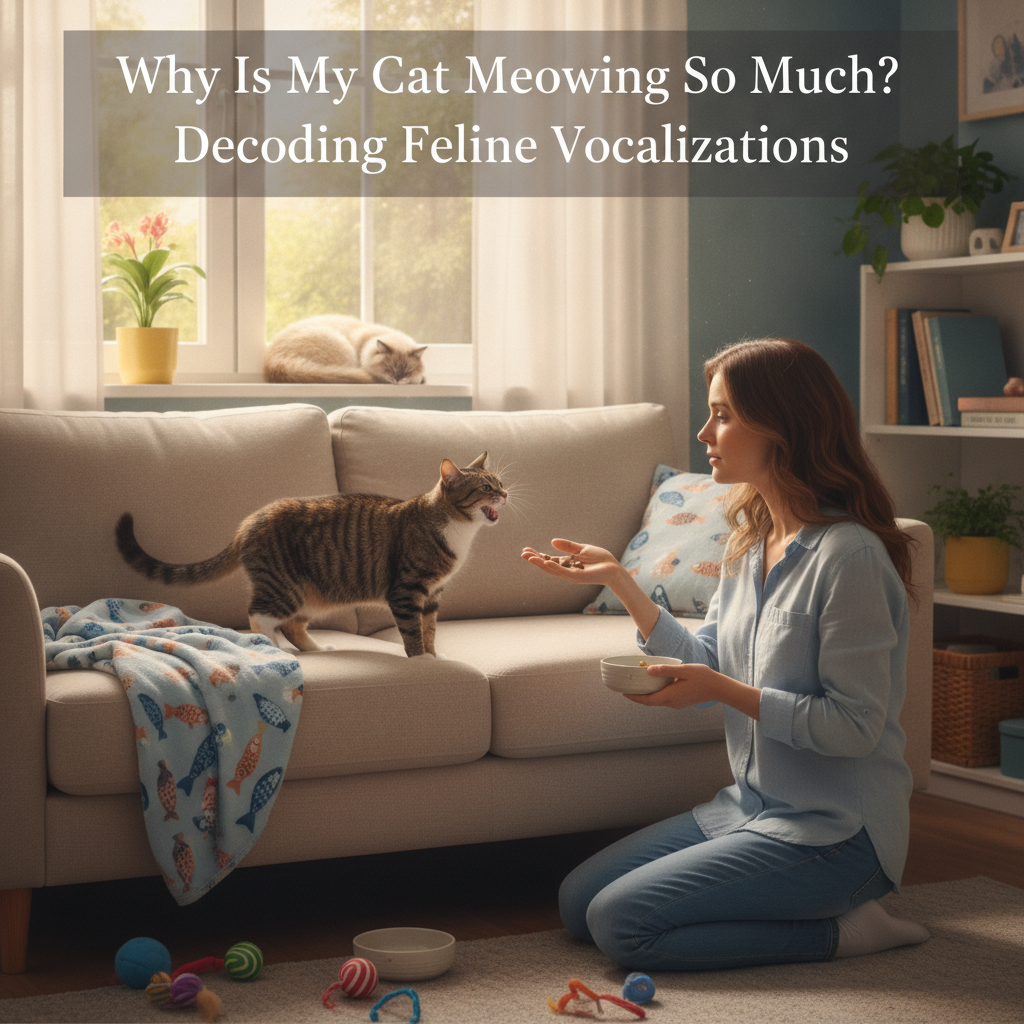
Cats are smart, and they quickly learn that meowing gets a reaction from you. If your cat is meowing excessively, they might be trying to get your attention for one of these reasons:
- Hunger: They might be meowing for food, treats, or even fresh water. Cats are creatures of habit, and if their mealtime is approaching, you can expect a vocal reminder.
- Play or Interaction: A bored cat is often a noisy cat. If they haven’t had enough playtime or mental stimulation, they might meow to solicit interaction or a game.
- Affection: Some cats simply want your presence and affection. They might meow to be petted, picked up, or just to have you nearby.
Stress and Environmental Changes
Cats thrive on routine and predictability. Any disruption can lead to stress, which they might express through increased meowing:
- Changes in Routine: A shift in your work schedule, feeding times, or even the furniture layout can be unsettling.
- New Additions: Bringing a new pet, baby, or even a houseguest into the home can cause a cat to feel anxious or territorial, leading to more vocalization.
- Moving: A complete change of environment is a major stressor for most cats and can trigger significant behavioral changes, including excessive meowing.
Medical Causes to Consider
While behavioral reasons are common, it’s crucial not to overlook potential health issues. A sudden or persistent increase in meowing, especially in an older cat, can be a symptom of an underlying medical condition. This is why always consulting a veterinarian is the safest first step when you notice a significant change in your cat’s vocal patterns.
Age-Related Conditions and Pain
- Hyperthyroidism: This common condition, especially in older cats, involves an overactive thyroid gland. It can lead to increased appetite, weight loss, restlessness, and often, excessive meowing or howling.
- Kidney Disease: Another prevalent issue in senior cats, kidney disease can cause increased thirst, urination, and sometimes disorientation or discomfort, leading to more vocalization.
- Pain: Cats are masters at hiding pain. Arthritis, dental disease, or other painful conditions can cause them to meow in distress, especially when moving or eating.
- Feline Cognitive Dysfunction Syndrome (FCDS): Similar to dementia in humans, FCDS affects older cats. They may become disoriented, forget routines, stare blankly, and often exhibit increased vocalization, particularly at night.
- Sensory Decline: Older cats may experience declining eyesight or hearing, leading to confusion and louder meows as they navigate their surroundings.
If you observe any of these symptoms alongside increased meowing, or if your cat’s vocalization changes abruptly, becomes more urgent, or is accompanied by other unusual behaviors, please contact your veterinarian promptly. They can conduct a thorough examination and recommend appropriate diagnostic tests.
Age-Related Vocalization
A cat’s vocal habits can shift throughout their life, with different stages bringing unique reasons for meowing.
- Kittens: Young kittens meow frequently to communicate with their mother, signaling hunger, cold, or a need for comfort. This is a natural and essential part of their development.
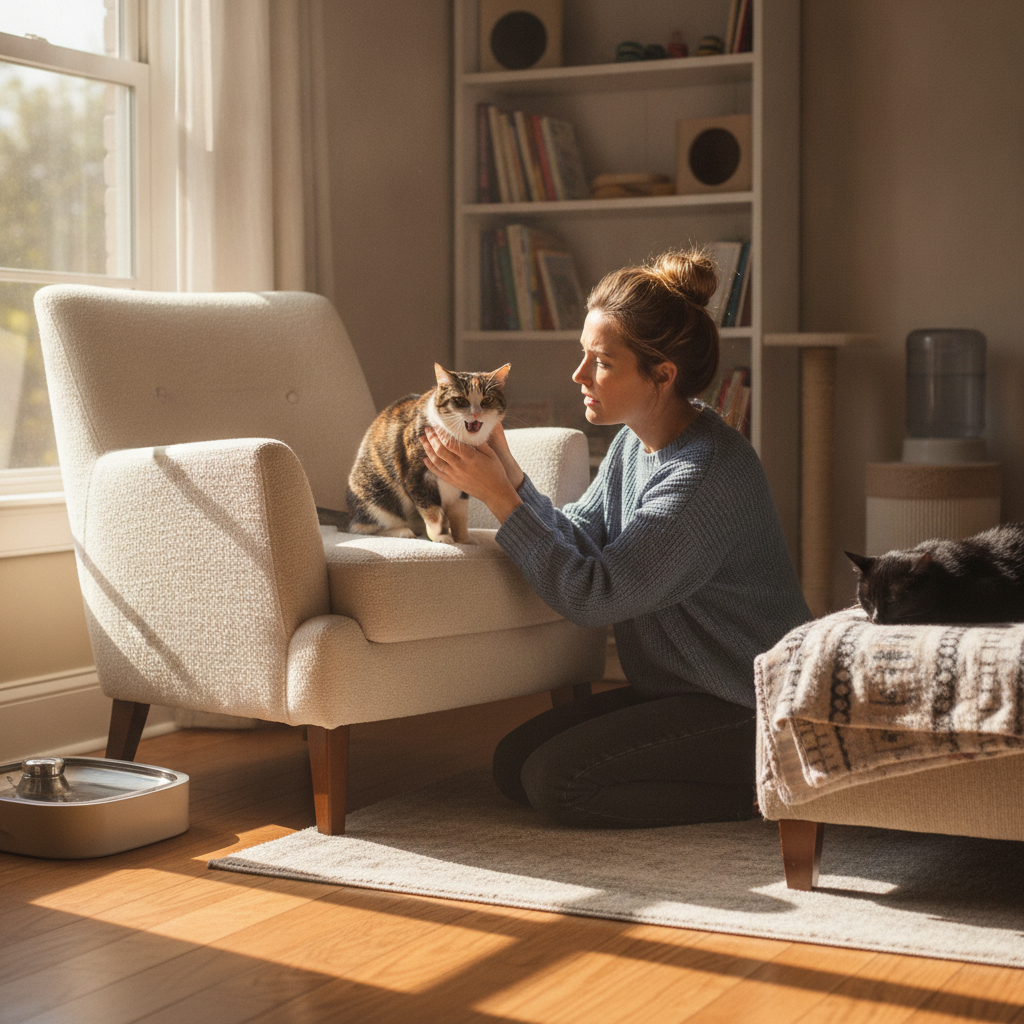
- Senior Cats: As cats age, their world can become a little more confusing. Sensory decline, such as hearing or vision loss, can lead to disorientation and louder, more frequent meows, particularly if they feel lost or anxious. Medical conditions common in older cats, as mentioned above, also frequently manifest as increased vocalization.
How to Respond Constructively
Once you’ve ruled out medical issues with your veterinarian, you can focus on behavioral strategies to address excessive meowing. The goal is to meet your cat’s needs while subtly discouraging constant vocal demands.
- Never Punish or Yell: Raising your voice or punishing your cat will only increase their anxiety and stress, making the meowing worse. It can also damage the bond you share.
- Reward Quiet Behavior: Instead of reacting only when they meow, try to reward your cat when they are quiet. Offer praise, a gentle pet, or a short play session when they haven’t been vocalizing for attention.
- Ensure Environmental Enrichment: A bored cat is an unhappy, vocal cat. Provide plenty of mental and physical stimulation:
- Interactive Toys: Rotate toys regularly to keep them interesting.
- Puzzle Feeders: These make mealtime a game, slowing down eating and engaging their minds.
- Climbing Structures: Cat trees, shelves, or window perches give them vertical space to explore and observe.
- Dedicated Playtime: Schedule regular, vigorous play sessions with wand toys or laser pointers (ending with a treat or toy to “catch”).
- Stick to a Routine: Cats thrive on predictability. Try to feed them and play with them at consistent times each day. This can reduce anxiety and anticipatory meowing.
- Address Nighttime Meowing: If your cat meows constantly at night, ensure they are not hungry, bored, or in pain. A large meal right before bed, an extra play session to burn off energy, or a puzzle feeder for nighttime snacks can help. Consider a “cat radio” or quiet classical music if they seem lonely.
Frequently Asked Questions
Why does my cat meow constantly at night?
Nighttime meowing often signals boredom, loneliness, hunger, or disorientation (especially in older cats). Ensure your cat has had enough stimulating playtime before bed, a full meal, and access to water. For senior cats, it could be a sign of Feline Cognitive Dysfunction Syndrome, requiring a vet visit.
Should I ignore my cat when they meow for attention?
It depends on the context. If you’ve ruled out medical issues and your cat is safe, ignoring mild, attention-seeking meows and rewarding quiet behavior can be effective. However, never ignore urgent, distressed, or unusually persistent meows, as these could indicate a genuine problem or pain. A better approach is to meet their needs proactively before they have to meow excessively.
Can indoor cats get bored enough to meow all day?
Absolutely. Indoor cats, especially those without enough environmental enrichment or social interaction, can become quite bored. This boredom often manifests as excessive meowing, destructive behavior, or overgrooming. Providing puzzle feeders, rotating toys, scheduled play sessions, and vertical climbing spaces can help significantly.
When is excessive meowing considered an emergency?
While not every instance is an emergency, persistent, sudden, or distressed meowing should always prompt a call to your veterinarian. It becomes more urgent if accompanied by other symptoms like lethargy, loss of appetite, changes in litter box habits, vomiting, limping, hiding, or any sign of pain or confusion. These could indicate serious underlying medical conditions that require immediate attention.