
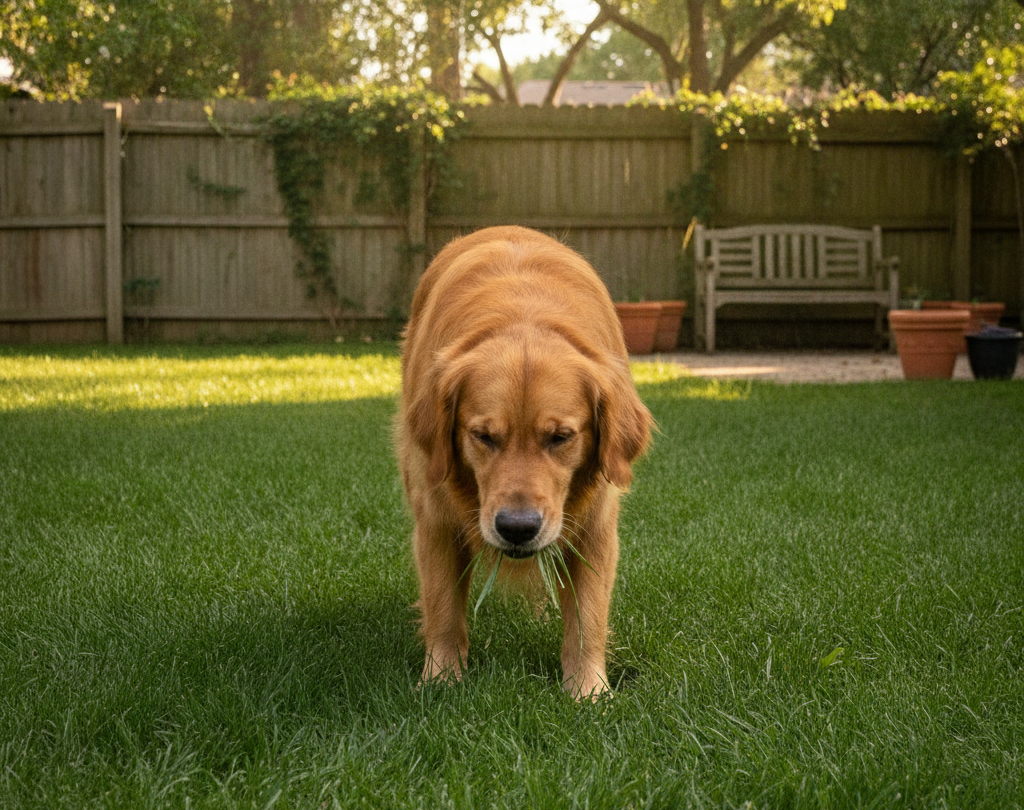
Why does my dog eat grass? It’s a common sight that puzzles many pet parents, but for most dogs, eating grass is a completely normal and often harmless behavior. While the exact reasons can vary, dogs may graze out of instinct, boredom, or simply because they enjoy the taste and texture. It’s rarely a sign of serious illness, though sometimes it can indicate mild stomach upset or a need for more dietary fiber. Understanding your dog’s habits and environment will help you know when their canine grazing behavior is just a quirky trait and when it might warrant a closer look.
Routine and behavior can affect grazing. See our dog walking guide and learn why some dogs eat poop.
Table of Contents
Key Takeaways
- Most grass-eating behavior is completely normal and harmless in dogs.
- Dogs may graze out of boredom, hunger, or a natural instinct for plant matter.
- Only a small percentage of dogs vomit after eating grass, contrary to the popular myth that they do it solely to purge.
- Monitor your lawn for toxic fertilizers, pesticides, and herbicides to keep your grazing dog safe.
Normal Canine Behaviors and Natural Instincts
For many healthy domestic dogs, munching on grass is simply a natural part of their day. It’s a behavior rooted deeply in their history and often has nothing to do with feeling unwell.

Some dogs simply enjoy the taste and interesting texture of fresh blades of grass. It can be a pleasant sensory experience for them, much like how some people enjoy chewing on a stick of gum.
Ancestral canines were not strict carnivores; they consumed plant matter as part of their natural omnivorous foraging habits. This included fruits, vegetables, and grasses found in the stomachs of their prey. Modern dogs may retain this natural inclination.
Exploratory chewing also provides mental stimulation during walks or time spent in the yard. It’s a way for your dog to interact with their environment, similar to how they might sniff or dig.
Nutritional Gaps and Fiber Needs
While often benign, your dog eating grass can sometimes be related to their diet, particularly their need for roughage.

A lack of sufficient dietary fiber in commercial dog food can prompt dogs to seek alternative roughage. Grass can act as a natural laxative, helping to regulate digestion and aid in the passage of stool. If your dog’s diet is low in fiber, they might turn to grass to supplement it.
Some dogs graze simply because they are hungry or looking for a low-calorie snack, especially if their meal schedule is inconsistent or their portions are too small. It’s a way to fill an empty stomach between meals.
Evaluating your dog’s daily nutritional balance with a veterinarian can help resolve persistent grazing behavior if you suspect a dietary deficiency. They can advise on appropriate fiber sources or a change in food.
Boredom, Stress, and Behavioral Triggers
Just like humans, dogs can develop habits or engage in certain behaviors when they are not sufficiently stimulated or are experiencing emotional distress.
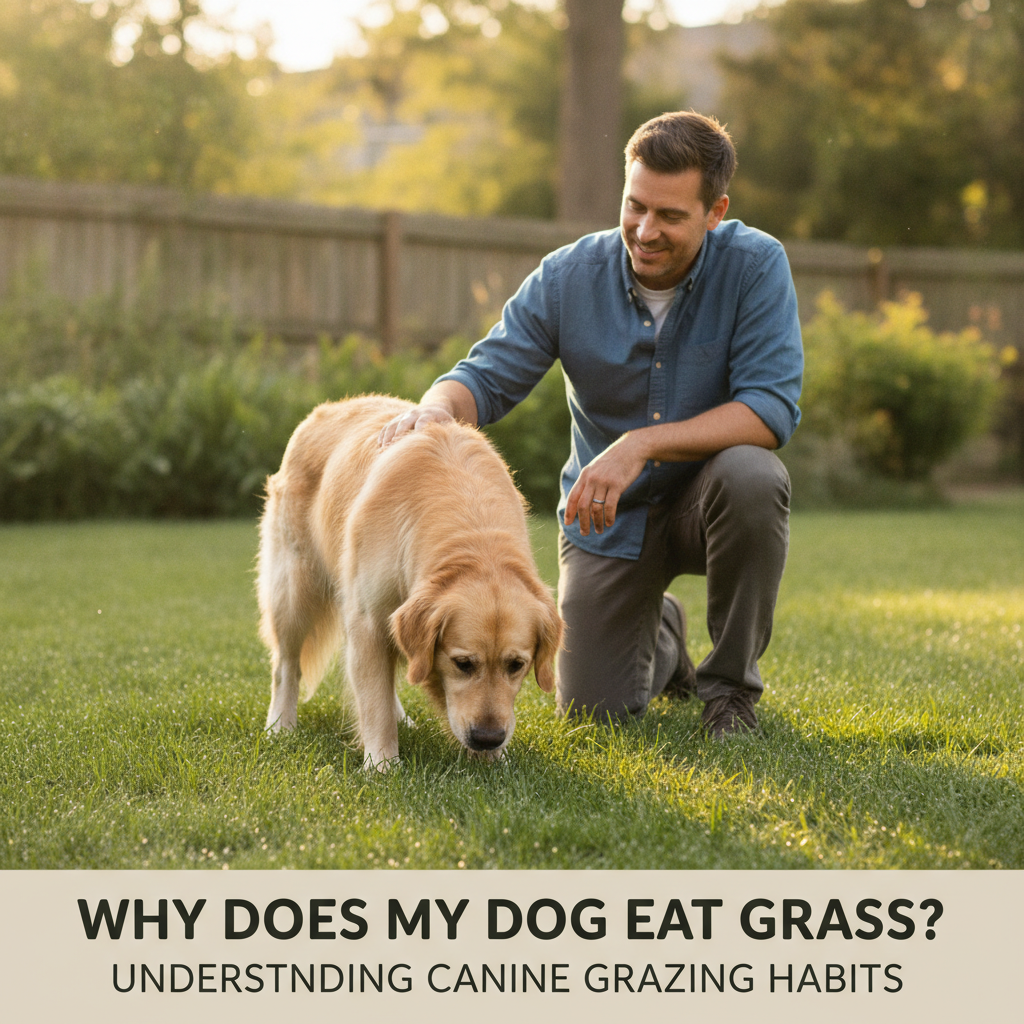
Under-stimulated dogs may develop repetitive habits, including grazing, to pass the time and alleviate boredom. If your dog isn’t getting enough physical exercise or mental engagement, they might seek out grass as an activity.
Anxiety and environmental stress can also manifest as displacement behaviors like chewing on grass or twigs. This can be a self-soothing mechanism, similar to how a person might bite their nails when nervous.
Increasing daily play, training, and interactive toys often reduces boredom-driven habits. Providing more opportunities for walks, puzzle feeders, and one-on-one attention can redirect your dog’s energy away from excessive grass consumption.
When Grass Eating Signals an Underlying Health Issue
While often harmless, sometimes an increase in grass eating can be a subtle sign that something is amiss internally. It’s important to distinguish between normal grazing and a potential health concern.
Mild gastrointestinal upset may prompt a dog to eat grass in search of temporary relief. They might feel nauseous and instinctively consume grass, which can induce vomiting, though this is not the primary reason for most grass-eating.
Conditions like inflammatory bowel disease (IBD), acid reflux, or parasites can cause sudden changes in grazing habits. If your dog’s grass eating becomes obsessive, or is accompanied by other symptoms like lethargy, diarrhea, or loss of appetite, it could indicate an underlying issue.
Pica is a compulsive condition where dogs consume non-food items persistently, which can include grass, rocks, dirt, or fabric. If your dog is eating grass along with other unusual items, it’s worth discussing with your veterinarian, as it could be linked to nutritional deficiencies or behavioral problems.
Lawn Safety: Protecting Your Grazing Dog
Even if your dog’s grass eating is benign, the environment in which they graze can pose risks. It’s crucial to be aware of what might be on the blades of grass your dog is consuming.
Lawn fertilizers, chemical weed killers, and insecticides can be toxic if ingested. Residues from these treatments can remain on grass for days or even weeks. Always ensure that any outdoor spaces your dog grazes are free from harmful chemical treatments.
Parasites such as hookworms and roundworms can live in contaminated soil and grass. If your dog eats grass from areas frequented by other animals, they could potentially ingest parasite eggs. Regular deworming and fecal checks are essential preventative measures.
Consider using pet-safe, organic lawn care products if your dog frequently grazes in your yard. When visiting public parks, try to guide your dog away from areas that appear freshly treated or are heavily trafficked by many animals.
When to Contact Your Veterinarian
Knowing when to seek professional advice is key to ensuring your dog’s health and well-being. Most grass eating is harmless, but certain signs warrant a vet visit.
- Consult a veterinarian if grass eating is sudden, obsessive, or accompanied by other concerning symptoms. These include lethargy, decreased appetite, repeated vomiting (especially if persistent or containing blood), diarrhea, weight loss, or changes in behavior.
- Schedule a check-up to review your dog’s diet and rule out gastrointestinal disorders, such as acid reflux, inflammatory bowel disease, or a nutrient deficiency. Your vet can provide tailored advice based on your dog’s specific needs.
- Professional diagnosis ensures any underlying medical cause is treated safely and effectively. Never try to self-diagnose or treat a suspected health issue without veterinary guidance.
Frequently Asked Questions
Do dogs eat grass because they have an upset stomach?
While dogs can eat grass when they have mild gastrointestinal upset or nausea, it’s not the only or even the most common reason. Many dogs eat grass purely out of enjoyment, boredom, or instinct, without any stomach issues. Only a small percentage of dogs actually vomit after eating grass.
Is it safe for my dog to eat grass from our lawn?
It can be safe, but it depends on your lawn care practices. Grass itself is generally not harmful, but fertilizers, pesticides, and herbicides used on lawns can be toxic. Ensure your lawn and any public areas your dog grazes in are free from harmful chemical treatments. Also, be aware that parasites can live in contaminated soil and grass.
How can I stop my dog from eating grass?
Stopping the behavior entirely might not be necessary if it’s normal grazing. However, if you want to reduce it, try increasing their daily exercise and mental stimulation to combat boredom. Ensure their diet is balanced and has adequate fiber. If you suspect it’s due to anxiety or a health issue, consult your veterinarian to address the root cause.
Should I worry if my dog eats grass every day?
Not necessarily. If your dog eats grass daily but remains active, healthy, and has no other concerning symptoms like vomiting, diarrhea, or lethargy, it’s likely just a normal canine behavior. However, if the habit suddenly increases, becomes obsessive, or is accompanied by other health changes, it’s always best to consult your veterinarian to rule out any underlying issues.