
Yes, absolutely! Dogs can safely eat eggs, and they can be a wonderful, nutrient-dense addition to their diet when prepared correctly. Eggs are a powerhouse of nutrition, packed with easily digestible protein, essential fatty acids, and a variety of vitamins that can support your dog’s overall health and vitality. However, the key to making eggs a healthy treat lies in how you prepare them and how much you offer. By following a few simple guidelines, you can confidently share this wholesome food with your furry friend.
For more safe snack ideas, read our guides to apples for dogs and cheese for dogs.
Table of Contents
Key Takeaways
- Eggs are safe and nutritious for most dogs when cooked thoroughly.
- They provide excellent protein, vitamins, and healthy fats.
- Never feed raw eggs due to the risk of avidin interfering with biotin and potential bacterial contamination.
- Cook eggs plain (boiled, scrambled, or poached) without any seasonings or fats.
- Eggs should be a treat, making up no more than 10% of your dog’s daily calories.
Are Eggs Safe for Dogs to Eat?
Generally speaking, eggs are not only safe for most dogs but can also be quite beneficial. They are considered a highly digestible and complete source of protein, meaning they contain all the essential amino acids your dog needs. This makes them a fantastic supplemental food. However, the safety and health benefits hinge entirely on proper preparation and sensible portion control.
When prepared correctly, eggs can be a healthy snack or a topping for your dog’s regular meals. They offer a concentrated burst of nutrients that support various bodily functions, from muscle development to skin health. Think of them as a healthy little boost, not a meal replacement.
Nutritional Benefits of Eggs for Dogs
Eggs are often called nature’s multivitamin, and for good reason. They are brimming with nutrients that contribute significantly to a dog’s well-being:

- High-Quality Protein: This is perhaps the most significant benefit. Eggs provide a complete protein source, crucial for muscle maintenance, growth, and repair, as well as hormone production and immune function.
- Essential Vitamins: They are rich in Vitamin A, which supports vision and immune health, and various B vitamins (like B12, riboflavin, and folate) vital for energy metabolism and nerve function.
- Minerals: Eggs contain important minerals such as iron, which prevents anemia, and selenium, an antioxidant.
- Healthy Fats: The fats in eggs, including omega fatty acids, contribute to a shiny coat, healthy skin, and overall cellular health.
- Choline: This nutrient is important for brain health, liver function, and metabolism.
These combined nutrients can help keep your dog feeling energetic, looking great, and maintaining a robust immune system.
Risks of Feeding Raw Eggs and Shells
While cooked eggs are great, raw eggs pose several significant risks that make them an unsafe choice for your dog.
The Dangers of Raw Egg Whites
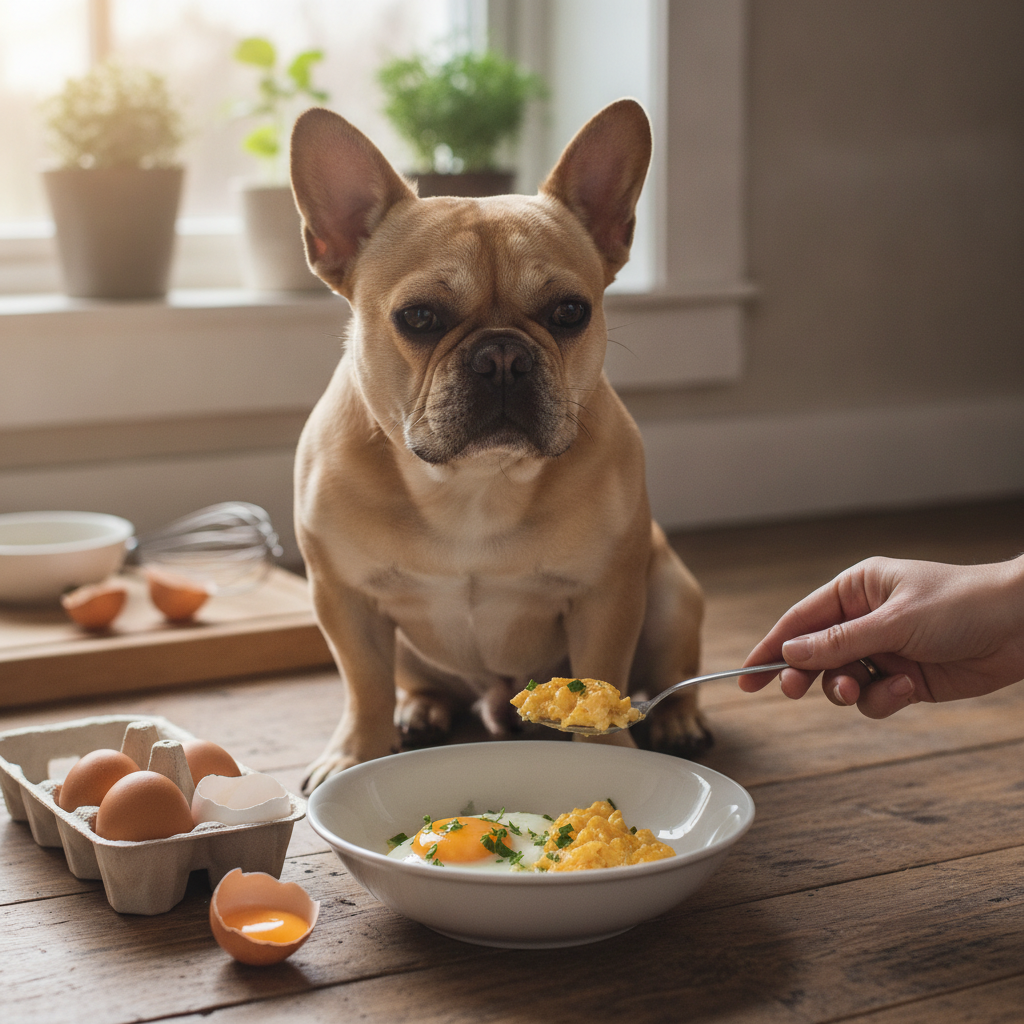
Raw egg whites contain a protein called avidin. Avidin can bind with biotin, a crucial B vitamin, preventing your dog’s body from absorbing it. While a single raw egg is unlikely to cause issues, feeding raw eggs regularly over time could lead to a biotin deficiency. Symptoms of biotin deficiency might include skin problems, a dull coat, or hair loss. Cooking the egg white neutralizes avidin, eliminating this risk.
Bacterial Contamination
Just like with humans, there’s a risk of bacterial contamination, specifically Salmonella, when feeding raw eggs. Dogs can get sick from salmonella, experiencing symptoms like vomiting, diarrhea, lethargy, or fever. More concerning, they can also become carriers of the bacteria, potentially spreading it to other pets and even human family members without showing severe symptoms themselves.
Eggshell Hazards
Some pet owners might consider feeding eggshells for calcium. However, feeding whole or large pieces of eggshell can be dangerous. Sharp edges can cause cuts in your dog’s mouth or digestive tract, and large pieces can pose a choking hazard or lead to digestive obstructions. If you wish to provide calcium from eggshells, they must be thoroughly washed, dried, and then ground into a very fine, powder-like consistency.
When to Contact Your Veterinarian
If your dog accidentally eats a raw egg or you notice any unusual symptoms after feeding eggs, monitor them closely. Contact your veterinarian if you observe:
- Persistent vomiting or diarrhea
- Lethargy or unusual weakness
- Loss of appetite
- Abdominal pain or discomfort
- Any severe or worsening symptoms
These could be signs of bacterial infection or other digestive upset requiring professional attention.
How to Safely Prepare Eggs for Your Dog
The good news is that preparing eggs safely for your dog is incredibly simple. The goal is to cook them thoroughly and keep them plain.
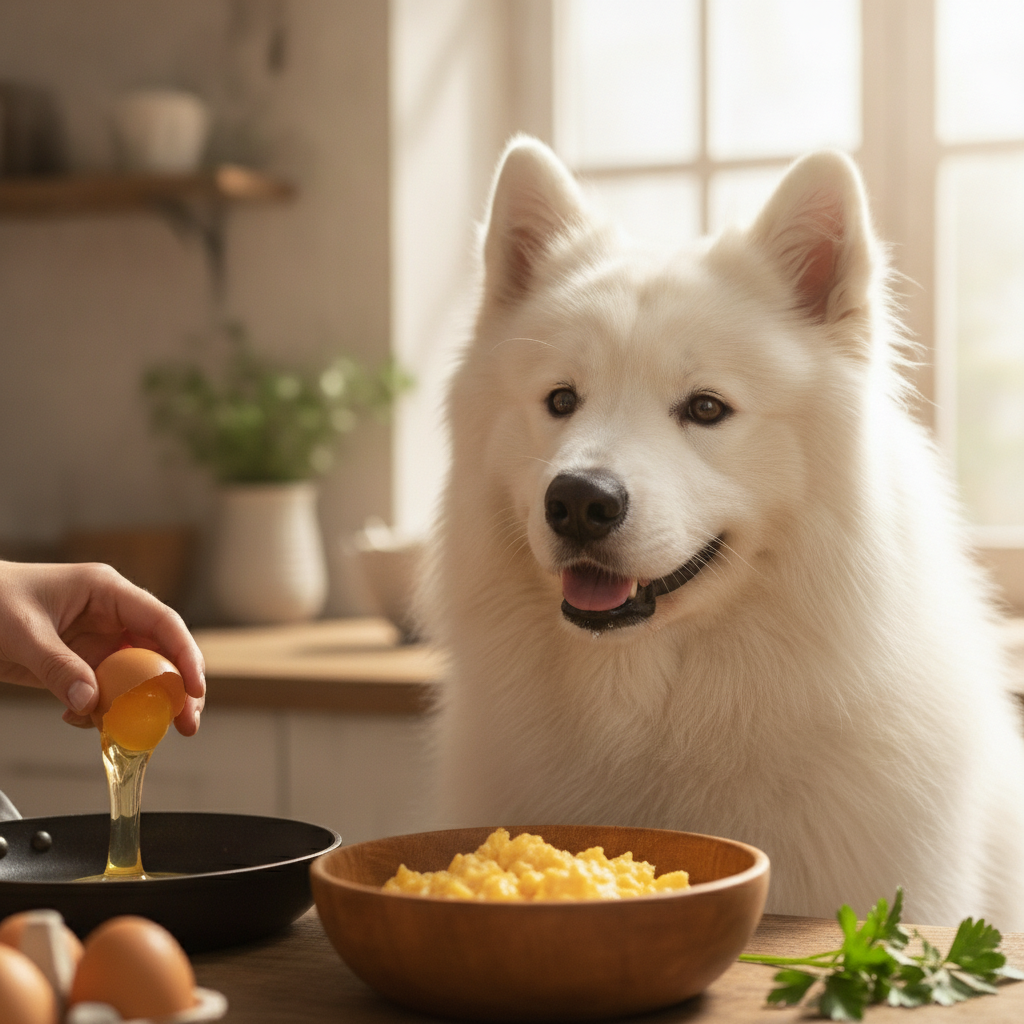
- Cook Them Thoroughly: The best methods include boiling, scrambling, or poaching. Ensure the whites and yolks are firm and fully cooked to eliminate bacteria and neutralize avidin.
- Keep Them Plain: This is a crucial rule. Absolutely avoid adding any butter, oil, salt, pepper, garlic, onions, or other seasonings. Many common human cooking ingredients are either too rich for dogs’ digestive systems or, in the case of garlic and onions, outright toxic. Simply crack the egg and cook it.
- Cool Before Serving: Always let the cooked egg cool completely to a comfortable temperature before offering it to your dog. Hot food can burn their mouth and throat.
A plain hard-boiled egg cut into small pieces, or a small portion of scrambled egg (cooked in a non-stick pan without any oil), makes for an excellent and safe treat.
How Many Eggs Can Your Dog Eat?
Portion control is key to integrating eggs into your dog’s diet healthily. Remember the 10% rule: treats and supplemental foods like eggs should make up no more than 10% of your dog’s total daily caloric intake. The bulk of their diet should always come from a complete and balanced commercial dog food.
- Small Dogs (under 20 lbs): A small dog might only need a quarter to a half of a scrambled or boiled egg a few times a week. Even a whole egg could be too much and lead to an upset stomach or contribute to weight gain.
- Medium Dogs (20-50 lbs): These dogs can typically handle half to one whole egg a few times a week.
- Large Dogs (over 50 lbs): Larger breeds can usually enjoy one whole egg a few times a week.
Always introduce new foods slowly and in small amounts to watch for any adverse reactions. If your dog has underlying health conditions such as pancreatitis, kidney disease, or is on a restricted diet, it is absolutely essential to consult your veterinarian before adding eggs or any new food to their regimen.
Frequently Asked Questions About Eggs for Dogs
Can dogs eat scrambled eggs every day?
While scrambled eggs are safe when cooked plain, feeding them every day is generally not recommended. Eggs should be considered a treat or supplement and adhere to the 10% rule of your dog’s daily calories. Over-feeding any single treat, even a healthy one, can lead to an unbalanced diet or weight gain. A few times a week is a more appropriate frequency for most dogs.
Are raw eggshells good for dogs?
No, raw eggshells are not good for dogs if fed whole or in large pieces. They pose a choking hazard and can cause internal injuries. While eggshells are a source of calcium, they must be thoroughly washed, dried, and then ground into an extremely fine powder if you wish to use them as a calcium supplement. Even then, consult your veterinarian to ensure proper dosage and avoid calcium overdose, which can be harmful.
Can dogs with sensitive stomachs eat eggs?
Eggs can sometimes be a good protein source for dogs with sensitive stomachs because they are highly digestible. However, every dog is different. If your dog has a sensitive stomach, introduce a very small amount of plain, thoroughly cooked egg at first and monitor them closely for any signs of digestive upset. Always consult your veterinarian before adding new foods to a dog with a history of digestive issues.
What should I do if my dog eats a raw egg?
If your dog accidentally eats a raw egg, don’t panic. A single raw egg might not cause immediate problems. Monitor your dog closely for symptoms like vomiting, diarrhea, lethargy, or loss of appetite over the next 24-48 hours. If you observe any of these signs, contact your veterinarian for advice. The primary concerns are bacterial contamination (like Salmonella) and, with repeated raw egg consumption, potential biotin deficiency.
Adding plain, cooked eggs to your dog’s diet can be a nutritious and enjoyable way to boost their health. Just remember to prioritize safe preparation and appropriate portion sizes. When in doubt about your dog’s specific dietary needs, a quick chat with your veterinarian can provide tailored advice and peace of mind.