Determining how often to bathe your dog isn’t a one-size-fits-all answer; it truly depends on several individual factors. For most healthy dogs with a typical short, smooth coat, a bath every four to six weeks is often sufficient. However, your dog’s specific coat type, their lifestyle, and any underlying skin conditions will heavily influence this frequency. The goal is to keep them clean without overdoing it and stripping away the vital natural oils that protect their skin and coat.
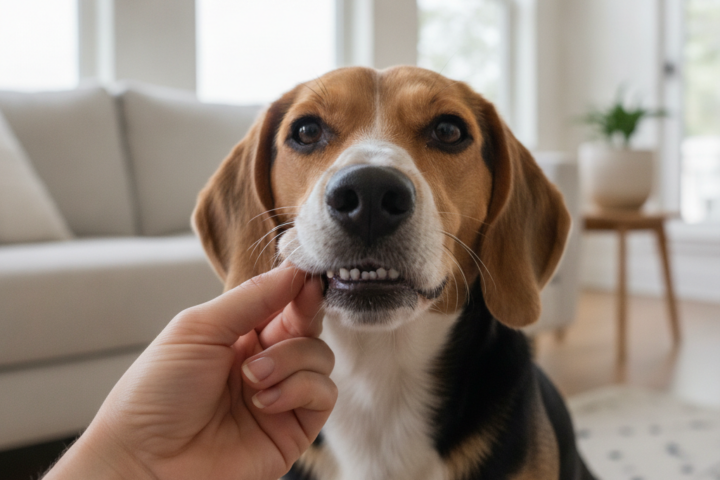
Bath time is a useful opportunity to check your dog from nose to tail. It can be paired with gentle ear care and a regular at-home tooth-brushing routine.
Table of Contents
Key Takeaways
- Most dogs benefit from bathing every 4-6 weeks.
- Coat type, activity level, and skin health are key factors.
- Over-bathing can lead to dry, irritated skin.
- Always use a dog-specific shampoo.
- Consult your vet for persistent skin issues.
The Short Answer: General Bathing Guidelines
For many dogs, especially those with short to medium coats and no significant skin concerns, a bath every four to six weeks is a good starting point. This schedule helps keep them clean, manages odors, and removes loose fur and dirt without excessively drying out their skin.

However, this is just a general guideline. Some dogs may need baths more often, while others thrive with less frequent washing. Over-bathing is a common mistake that can strip your dog’s skin of its natural protective oils, produced by their sebaceous glands. This can lead to dry, flaky, itchy skin, and can even compromise their skin barrier, making them more susceptible to irritation.
How Coat Type Influences Bath Frequency
Your dog’s coat is a primary factor in deciding their bathing schedule. Different coats have evolved for different purposes and require distinct care.
Short-Coated Breeds
Breeds like Beagles, Pugs, or smooth-coated Terriers often require the least frequent bathing. Their short, dense coats don’t typically trap as much dirt or tangle easily. A quick wipe-down with a damp cloth can often suffice between baths, which might only be needed every two months or even less, unless they get particularly dirty.
Double-Coated Breeds
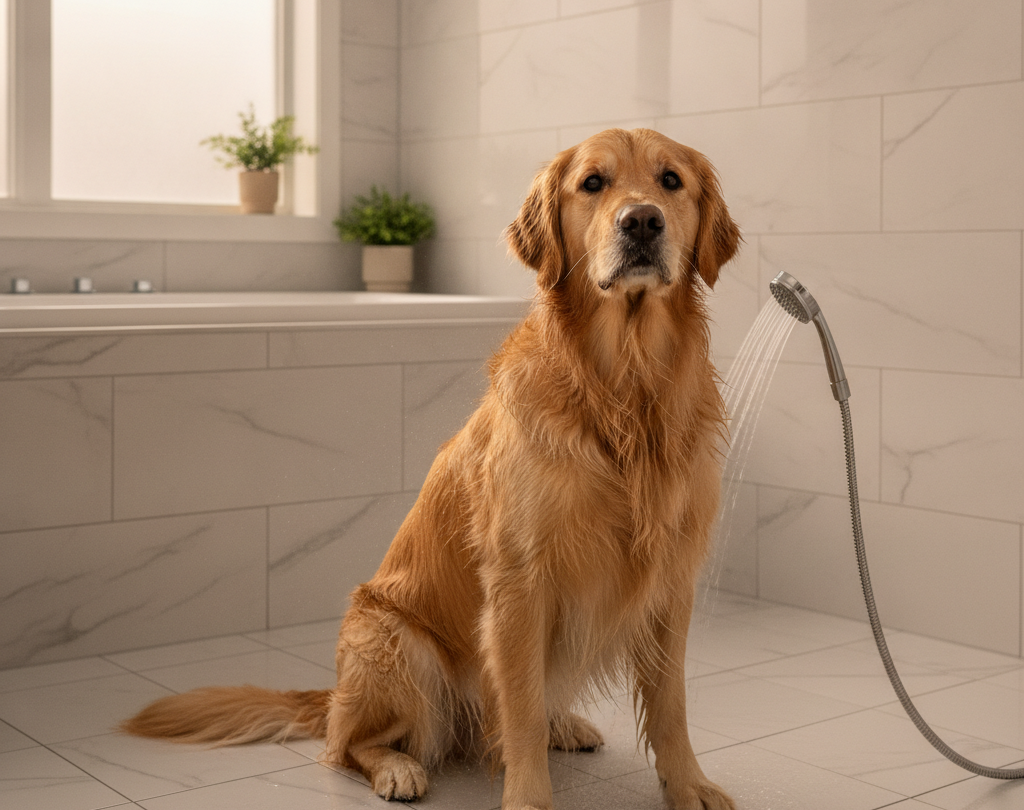
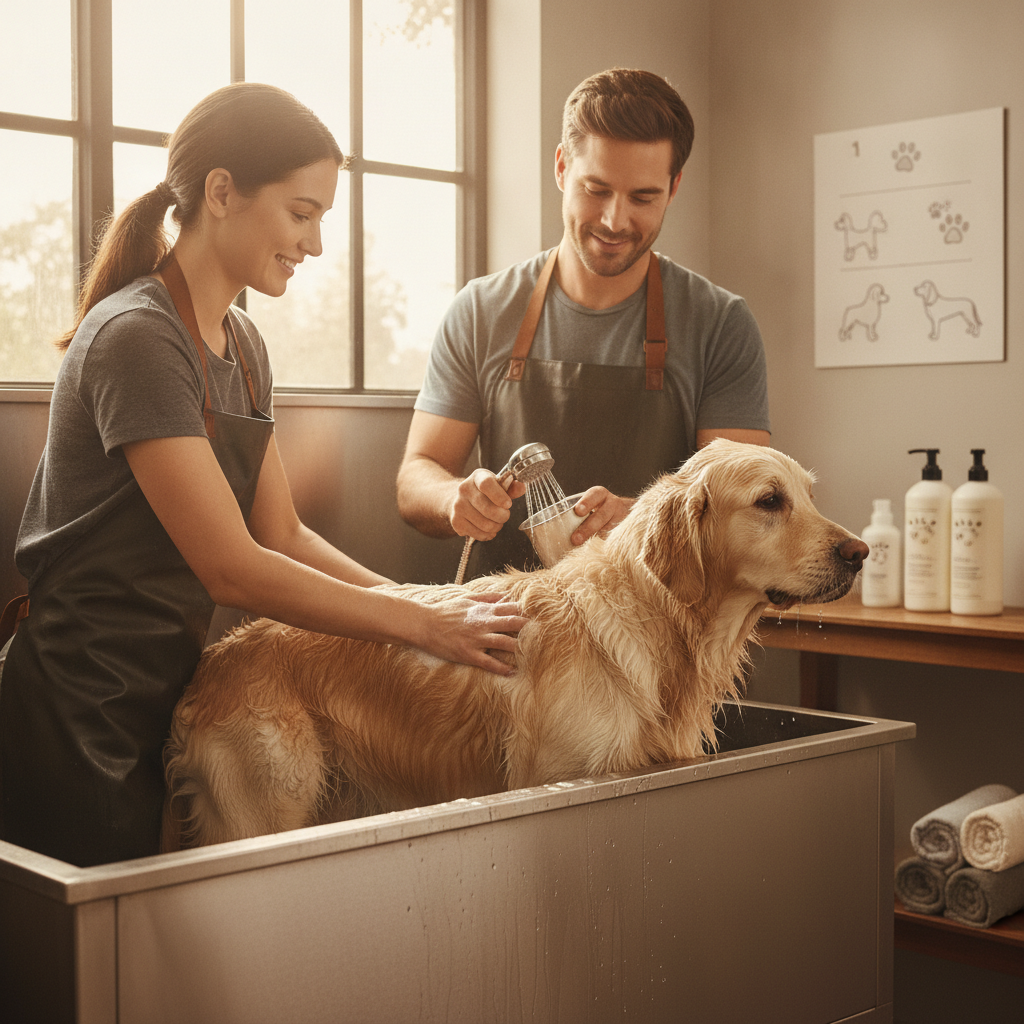
Dogs with a double coat, such as Golden Retrievers, Huskies, or Australian Shepherds, have a soft, insulating undercoat and a coarser, protective outer coat. This structure provides natural waterproofing and insulation. Bathing these breeds too often, especially with harsh shampoos, can damage the undercoat and strip its natural oils, which can reduce its protective qualities. Unless extremely dirty, a bath every 2-3 months is usually sufficient, with regular brushing being far more critical for their coat health.
Hairless Breeds
Hairless dogs, like the Chinese Crested or Xoloitzcuintli, lack a protective coat, meaning their skin is directly exposed. They tend to accumulate oil and dirt more quickly on their skin, much like human skin. These breeds often require more frequent bathing, sometimes weekly, using gentle, moisturizing dog shampoos to prevent oil buildup and keep their skin healthy.
Long-Haired Breeds
Breeds with long, flowing hair, such as Shih Tzus, Yorkshire Terriers, or Afghan Hounds, often need more frequent bathing – typically every two to three weeks. Their long coats can easily collect dirt, debris, and tangle or mat. Regular baths, combined with conditioning, are essential to keep their coats clean, manageable, and free of painful mats. Daily brushing is also crucial for these breeds between baths.
Lifestyle Factors: Mud, Ponds, and City Streets
Beyond coat type, your dog’s daily activities play a significant role in how often they need a bath.
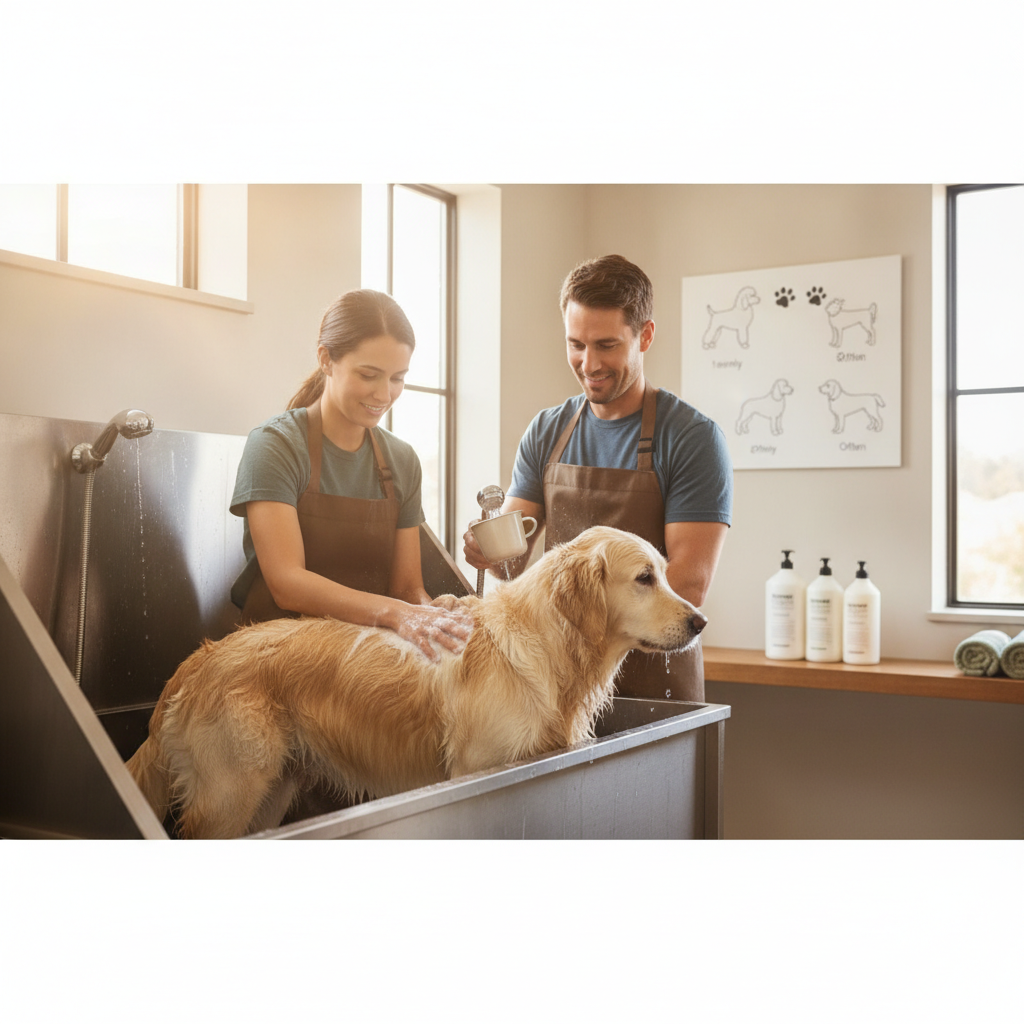
If your dog is an active outdoor enthusiast who loves to swim in ponds, roll in mud, or explore dusty trails, they will naturally get dirtier more often. In these cases, a full shampoo bath might not be necessary every time. A thorough rinse with plain water can often remove loose dirt and debris without stripping oils. Targeted baths or spot cleaning for particularly soiled areas, like paws or bellies, can also help extend the time between full baths.
Even urban dogs walking on city streets can accumulate grime, pollutants, and dust on their paws and lower bodies. Regular wiping down with a damp cloth or dog-specific grooming wipes after walks can keep them cleaner and reduce the need for frequent full baths.
Regardless of lifestyle, regular brushing between baths is an unsung hero. Brushing helps remove loose dirt, dead skin cells, and shed hair. It also distributes natural skin oils throughout the coat, keeping it healthy and reducing the overall frequency of full shampooing sessions.
Signs You Are Bathing Your Dog Too Often
Your dog’s skin and coat will often give you clues if their bathing schedule isn’t quite right. Pay close attention to these indicators:
- Flaky, Dry Skin or Persistent Dandruff: If you notice a lot of flaky skin, often resembling dandruff, especially after a recent wash, it can be a sign that their skin is too dry. This occurs when natural oils have been stripped away.
- Excessive Scratching, Licking, or Skin Irritation: If your dog is constantly scratching, licking, or biting at their skin more than usual, and you observe redness or irritation, it could be a reaction to dryness from over-bathing.
- A Dull, Brittle Coat: A healthy coat should have a natural sheen and feel soft. If your dog’s coat appears dull, coarse, or brittle, and has lost its usual softness, it might be lacking the natural oils that keep it nourished and shiny.
These signs suggest that your dog’s natural skin barrier is being compromised. If you notice these symptoms, try extending the time between baths and ensure you are using a high-quality, moisturizing dog shampoo.
When to Consult a Veterinarian About Skin Issues
While proper bathing is part of good pet care, some skin issues go beyond simple grooming and require professional medical attention. It’s crucial to know when to consult your veterinarian:
- Persistent Foul Odors: If your dog has a strong, unpleasant odor that returns almost immediately after bathing, it could indicate an underlying issue like a bacterial or yeast infection on the skin, an ear infection, or even allergies.
- Severe Itching, Hair Loss, or Inflamed Skin: Watch for intense, unrelenting itching, unexplained patches of hair loss, scabs, crusts, or red, inflamed areas on your dog’s skin. These are often signs of more serious skin conditions that require diagnosis and treatment.
- Chronic Skin Conditions: If your dog has a diagnosed chronic skin condition, such as allergies, seborrhea, or hot spots, always consult your veterinarian before establishing a bathing routine or using any new products. They may recommend specific medicated shampoos or a particular bathing frequency as part of a treatment plan.
Never attempt to self-diagnose or treat severe skin issues at home. Your veterinarian can determine the root cause of the problem and provide appropriate, safe care.
Frequently Asked Questions
Here are answers to some common questions about dog bathing frequency:
Can I wash my dog with human shampoo?
No, you should never wash your dog with human shampoo. Human skin and dog skin have different pH levels. Human shampoos are typically more acidic and can be too harsh for a dog’s skin, leading to dryness, irritation, and stripping of natural oils. Always use a shampoo specifically formulated for dogs, as these are pH-balanced for canine skin.
Do indoor dogs need baths as often as outdoor dogs?
Generally, indoor dogs may require baths less frequently than active outdoor dogs, simply because they aren’t exposed to as much dirt, mud, or external grime. However, factors like shedding, coat type, and whether they have any indoor accidents can still influence their needs. Regular brushing is especially important for indoor dogs to keep their coats clean and healthy between baths.
What is the best way to clean my dog between baths?
Between full baths, several methods can help keep your dog clean. Regular brushing is essential for removing loose dirt and distributing oils. You can also use a damp cloth to wipe down their paws, belly, and any dirty areas. Dog-specific grooming wipes are also a convenient option for quick clean-ups or spot cleaning. For very localized messes, a targeted rinse with plain water can work wonders without requiring a full shampoo.
Can bathing a dog too often cause skin allergies?
While over-bathing doesn’t directly “cause” true skin allergies, it can certainly exacerbate or mimic allergy symptoms. By stripping the skin of its natural protective oils, frequent bathing can lead to dryness, itchiness, and irritation. This compromises the skin’s natural barrier, making it more vulnerable and reactive, which can be mistaken for or worsen allergic reactions. Maintaining a healthy skin barrier is crucial for managing and preventing skin sensitivities.
Finding the perfect bathing rhythm for your dog might take a little trial and error, but by considering their unique coat, lifestyle, and skin health, you can establish a routine that keeps them happy, healthy, and comfortably clean. When in doubt, a gentle approach and a chat with your veterinarian are always the best next steps.